Safety Gloves for Mining
Hands take more punishment in mining than almost anywhere else on an industrial site. Rock, steel, heavy tools and wet, oily surfaces combine in one shift, so a mining glove usually has to deal with several hazards at once. This guide sets out the hazards, the markings that matter and how to pick a cut level, followed by every glove in the range that meets the mining selection rule.
Hazards underground and at surface operations
Pinch points and crushing are the most common causes of serious hand injury. Hands get caught between a drill steel and the rib, between a load and a chute, or under a rolling component during maintenance. Rock and steel edges come next: broken ground, mesh, strapping, cable and freshly cut plate all slice skin quickly.
Hand held drills, breakers, rock bolters and grinders transmit vibration into the hand and arm over a long shift. Water, drilling fluid, grease and hydraulic oil reduce grip, and a hand that slips is a hand that hits something. Surface operations add cold in winter, and underground headings can be wet and draughty all year.
Why impact gloves need back of hand protection
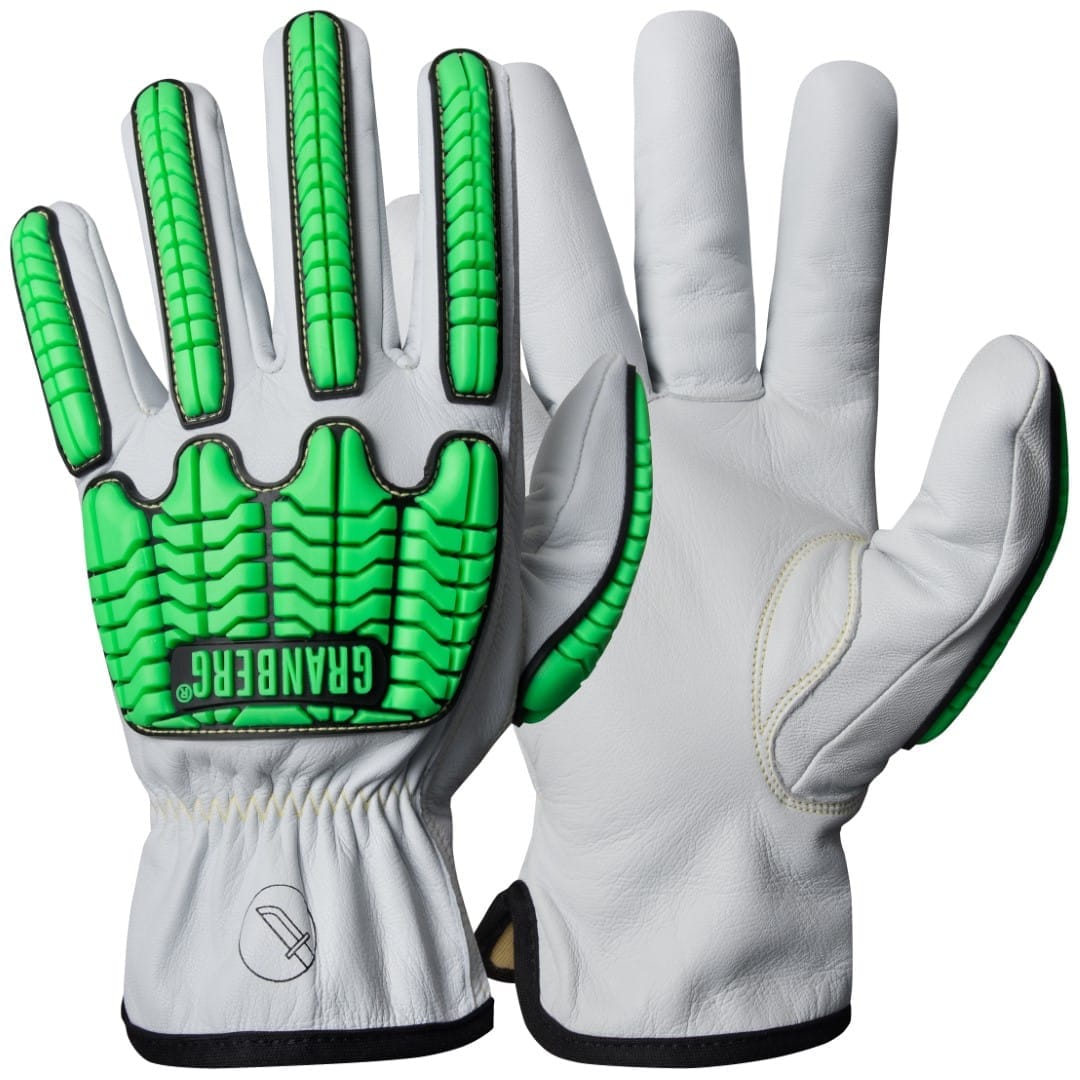
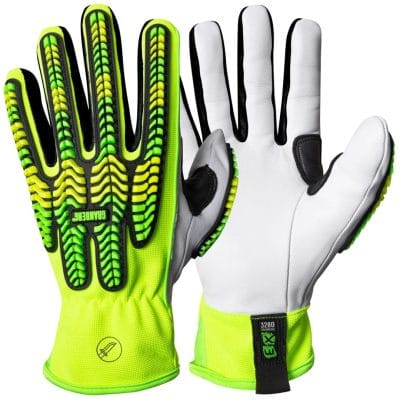
Most impact injuries land on the back of the hand and the knuckles, not the palm. A rock fragment, a swinging hook or a dropped bar hits the exposed side of the hand. That is why impact gloves carry molded TPR guards over the knuckles, the backs of the fingers and often the metacarpal area. The palm stays flexible so you can still grip a tool.
Check that the guards cover the knuckles and the backs of the fingers, that they flex with the hand, and that the glove fits closely enough that the guards stay in place. A guard that slides off the knuckle protects nothing. See the full impact glove range for the different guard layouts.
Reading the EN 388 P mark and ANSI/ISEA 138
Every glove in this range is certified to EN standards. Under EN 388, a sixth character of P after the cut letter means the glove passed the EN 13594 knuckle impact test. A blank or X in that position means it was not tested for impact.
Some lines are also certified to ANSI/ISEA 138, the North American impact standard. It measures the force transmitted through the knuckle and finger protection and grades the result as level 1, 2 or 3, where level 3 transmits the least force. The two standards use different test methods, so read each marking on its own terms. Only treat a glove as ANSI/ISEA 138 rated when its product page lists that standard.
Choosing a cut level for steel mesh and cable
Handling steel mesh, wire rope, strapping and cut cable calls for real cut resistance. A common starting point for these tasks is EN 388 cut level D or higher, or ANSI A4 or higher on lines that carry an ANSI rating. Move up to E or F where the edges are fresh and the handling is constant. For a full explanation, read how to read EN 388 and ANSI cut levels.
Cut resistance and impact protection can come in the same glove, and many mining buyers specify both for maintenance crews. Where cold is a factor, look for an EN 511 rating as well. The cut resistant range and the winter range show the options.
Vibration and grip
Anti vibration gloves are tested to EN ISO 10819. They reduce the vibration reaching the hand from tools such as breakers and drills, as one part of a vibration control plan. For wet and oily work, choose a coating or palm material rated for grip in those conditions on the product page.
Gloves for mining
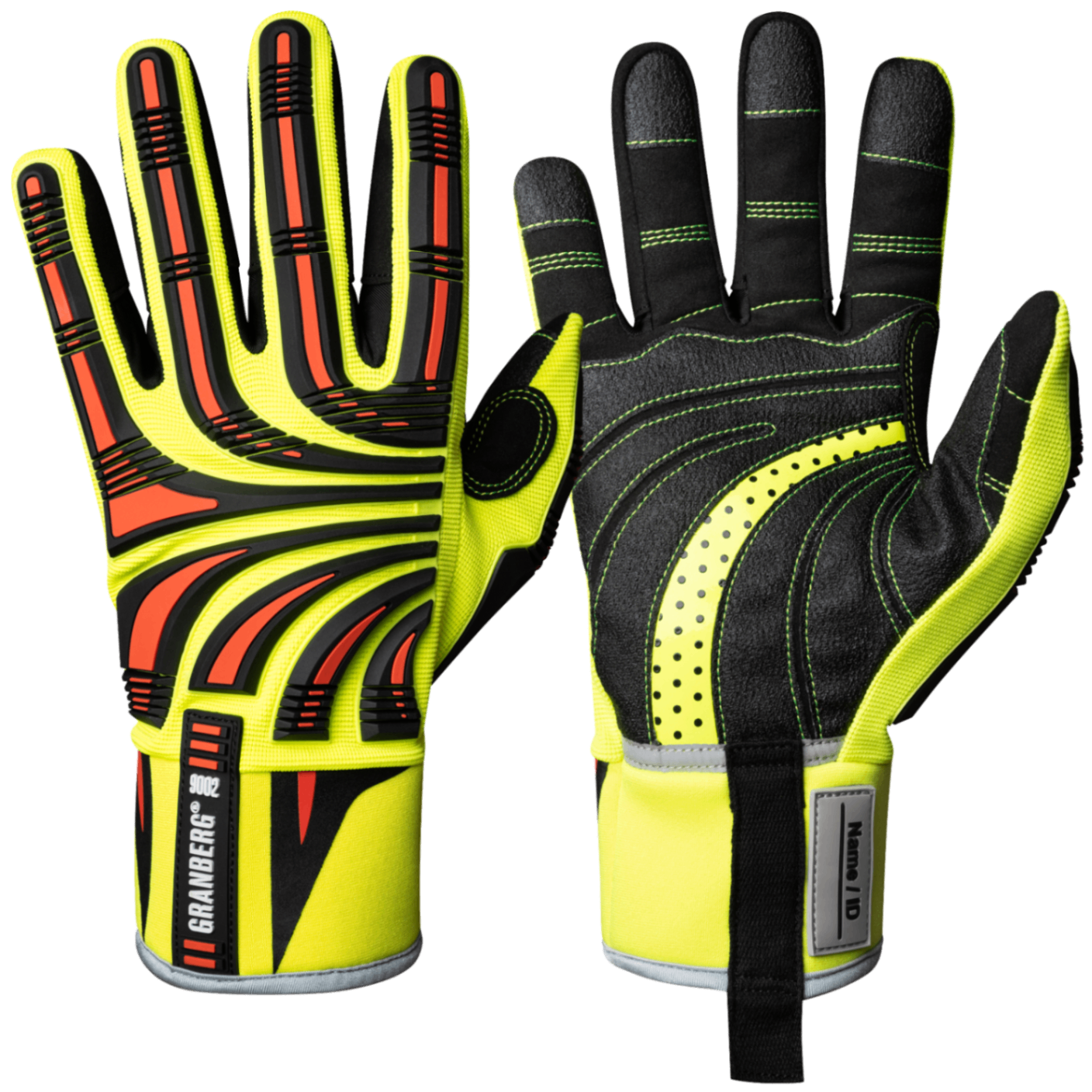
- GRANBERG 9002: Extreme Cut & Impact Work Gloves
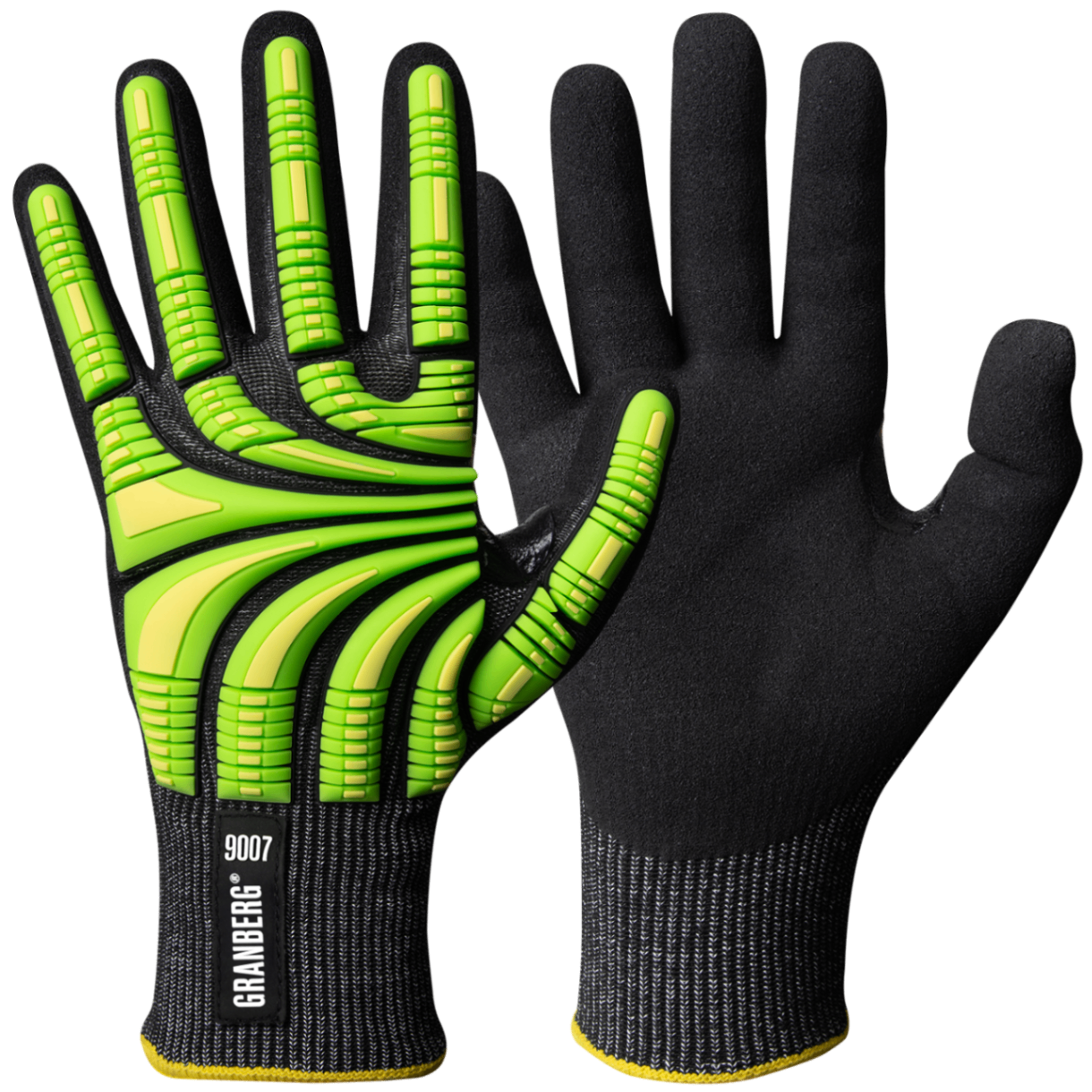
- GRANBERG 9007 Gloves: Cut & Impact Protection Gear
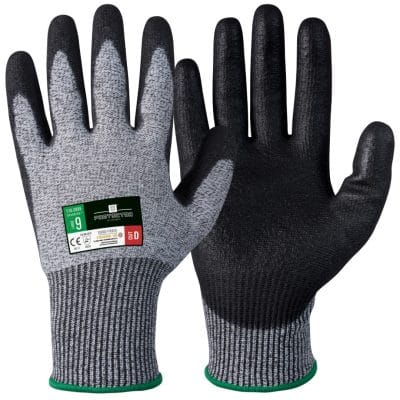
- GRANBERG 0995 Gloves: Cut Resistant Assembly Gloves
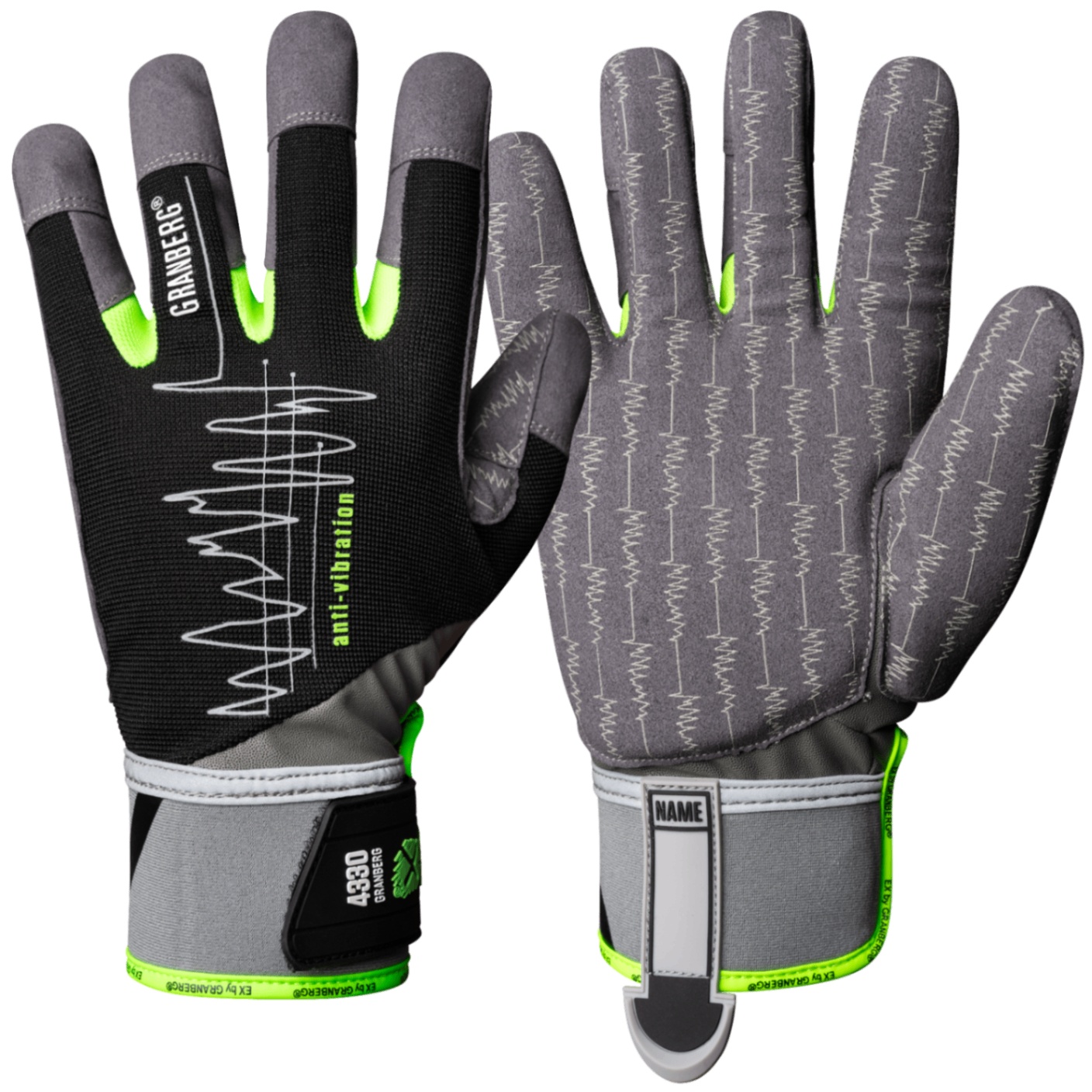
- GRANBERG EX 4330 Anti-Vibration Work Glove
- GRANBERG 1190: Arc Flash, Cut and Impact Work Gloves
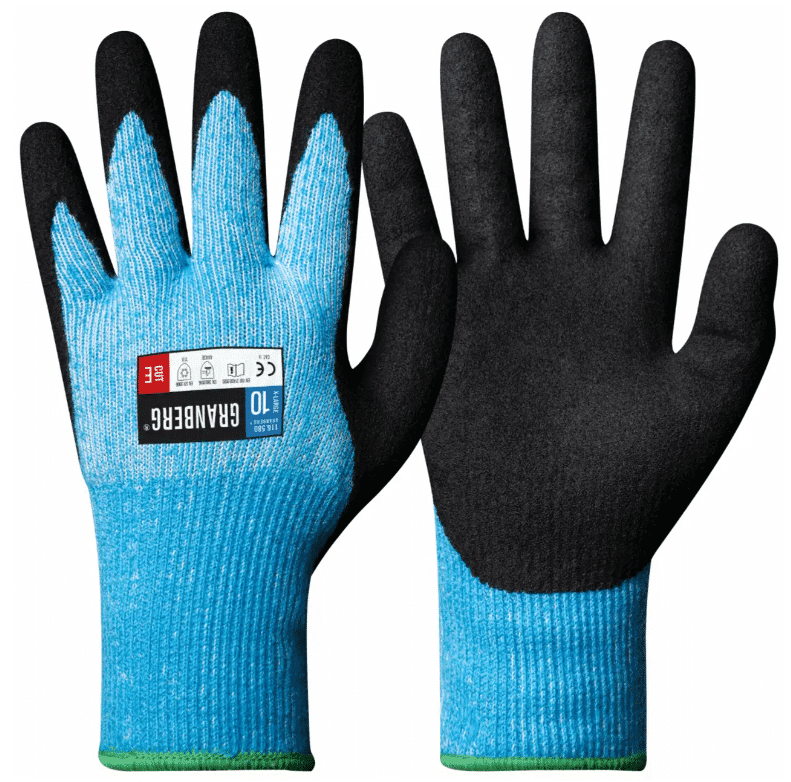
- GRANBERG 580: Thermal Cut-Resistant Work Gloves
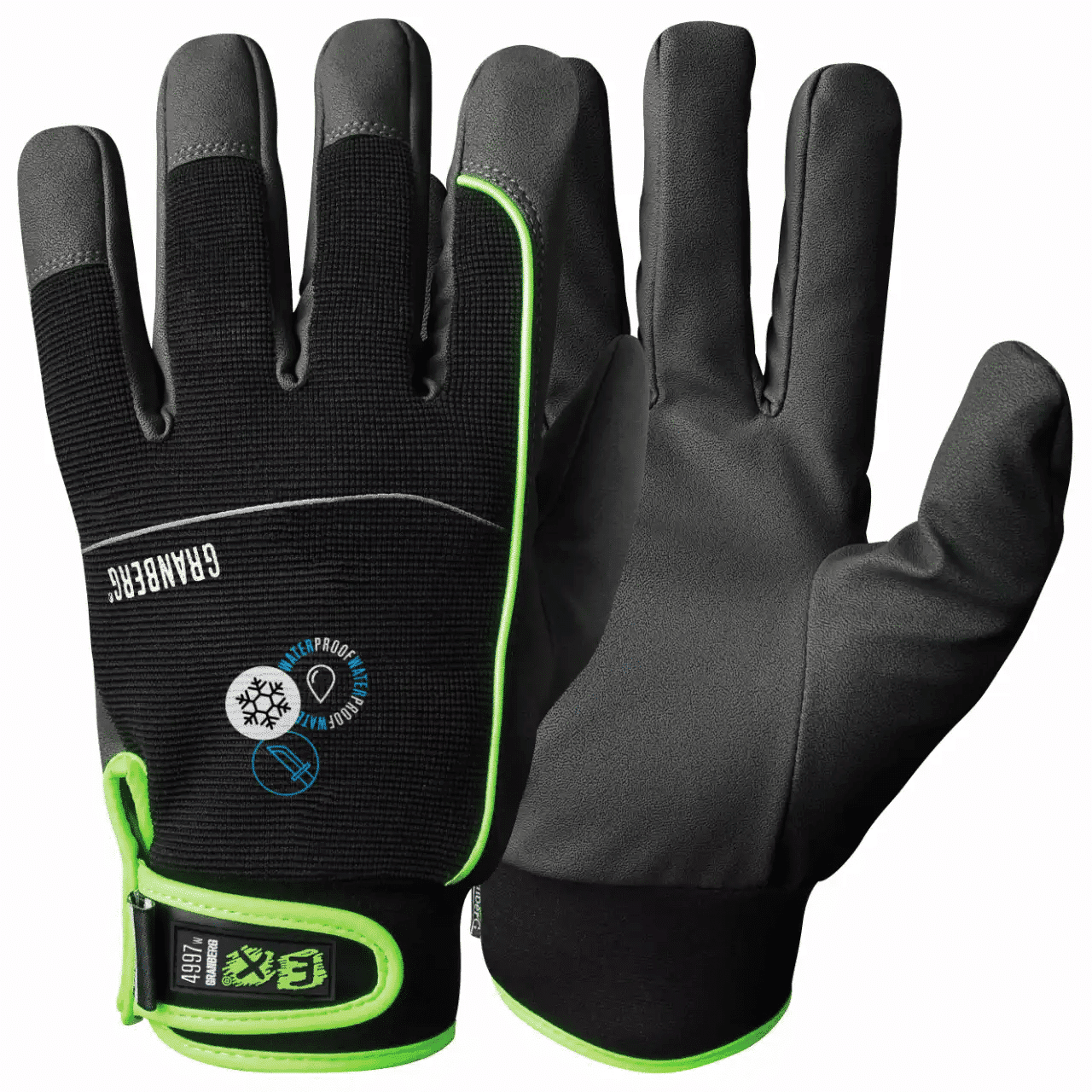
- GRANBERG EX 4997W: Winter Cut-Resistant Work Gloves
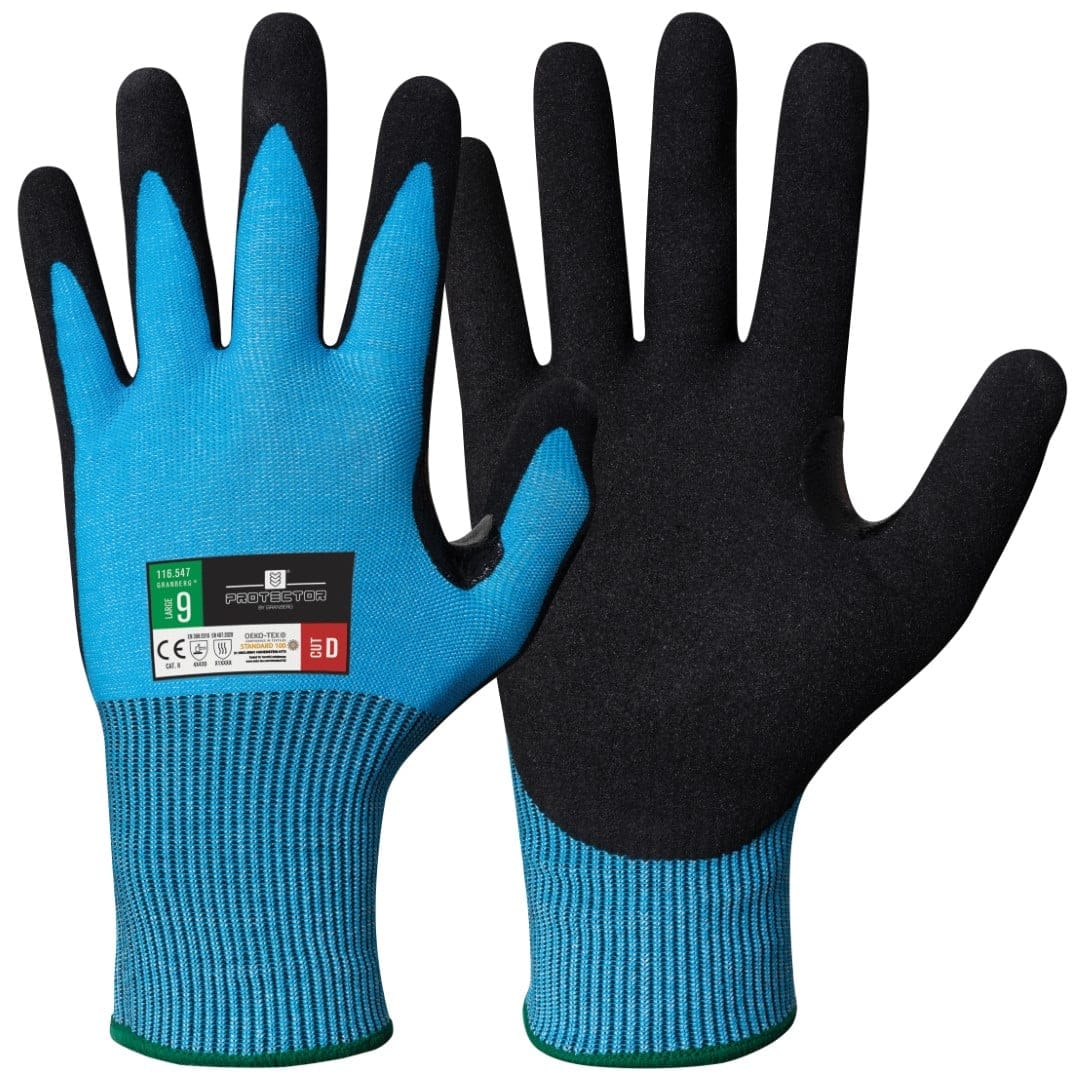
- GRANBERG 547: Cut Level D Sandy Nitrile Grip Gloves
- GRANBERG 599: Level F Cut-Resistant Gloves for Oily Work
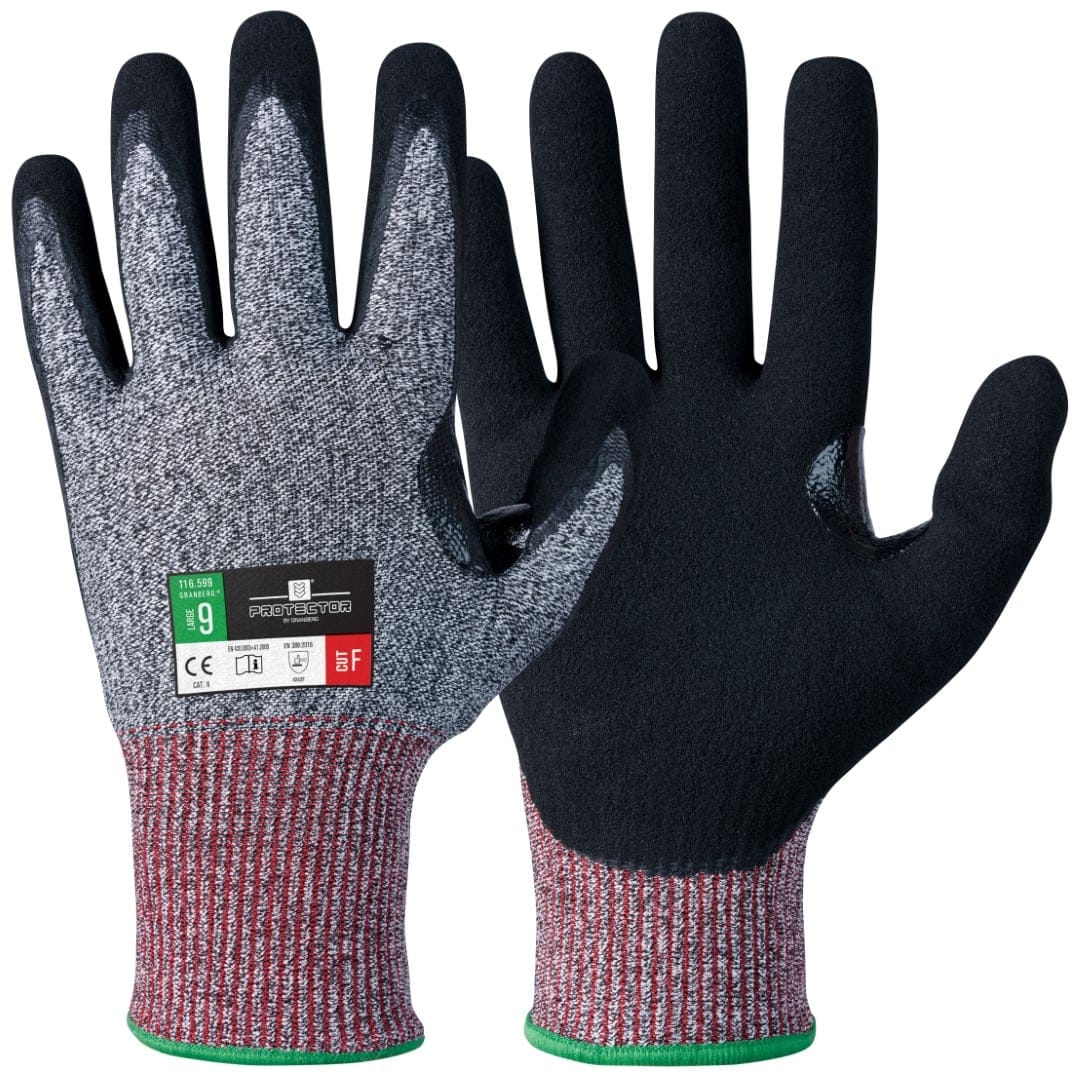
- GRANBERG 5502: Impact Gloves with Oil Grip
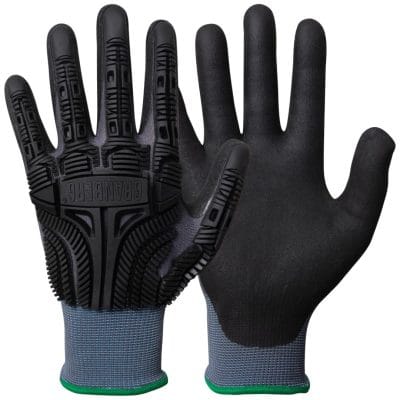
- GRANBERG EX 3270W: Winter Cut & Impact Work Gloves
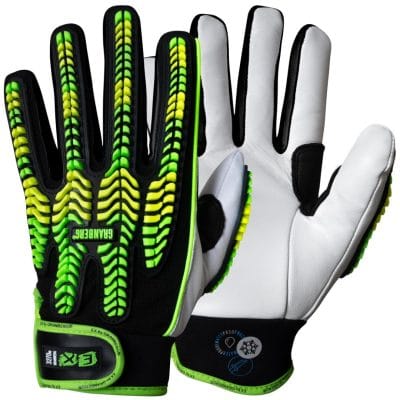
- GRANBERG 5503: Cut & Impact Gloves for Oily Conditions
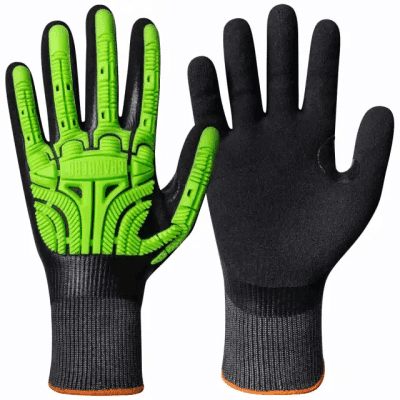
- GRANBERG EX 3250: High Cut & Impact Resistant Gloves
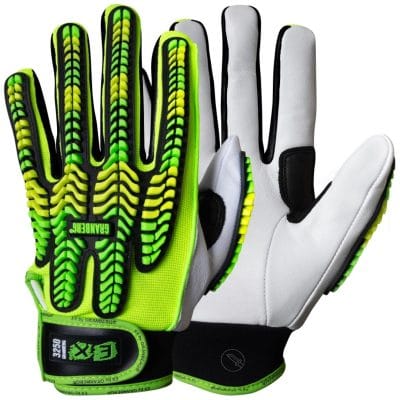
- GRANBERG 5501: Heavy-Duty Cut & Impact Gloves
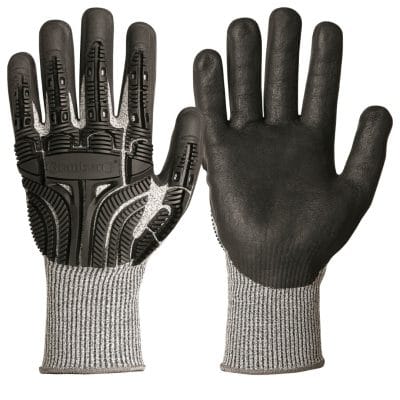
- GRANBERG 1191: Kevlar® Cut-Resistant Goatskin Gloves
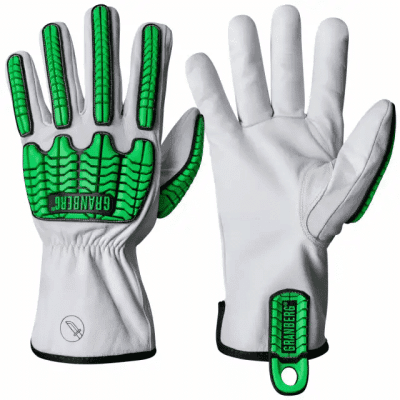
- GRANBERG 9001: Cut & Impact Gloves, Previous Spec Clearance
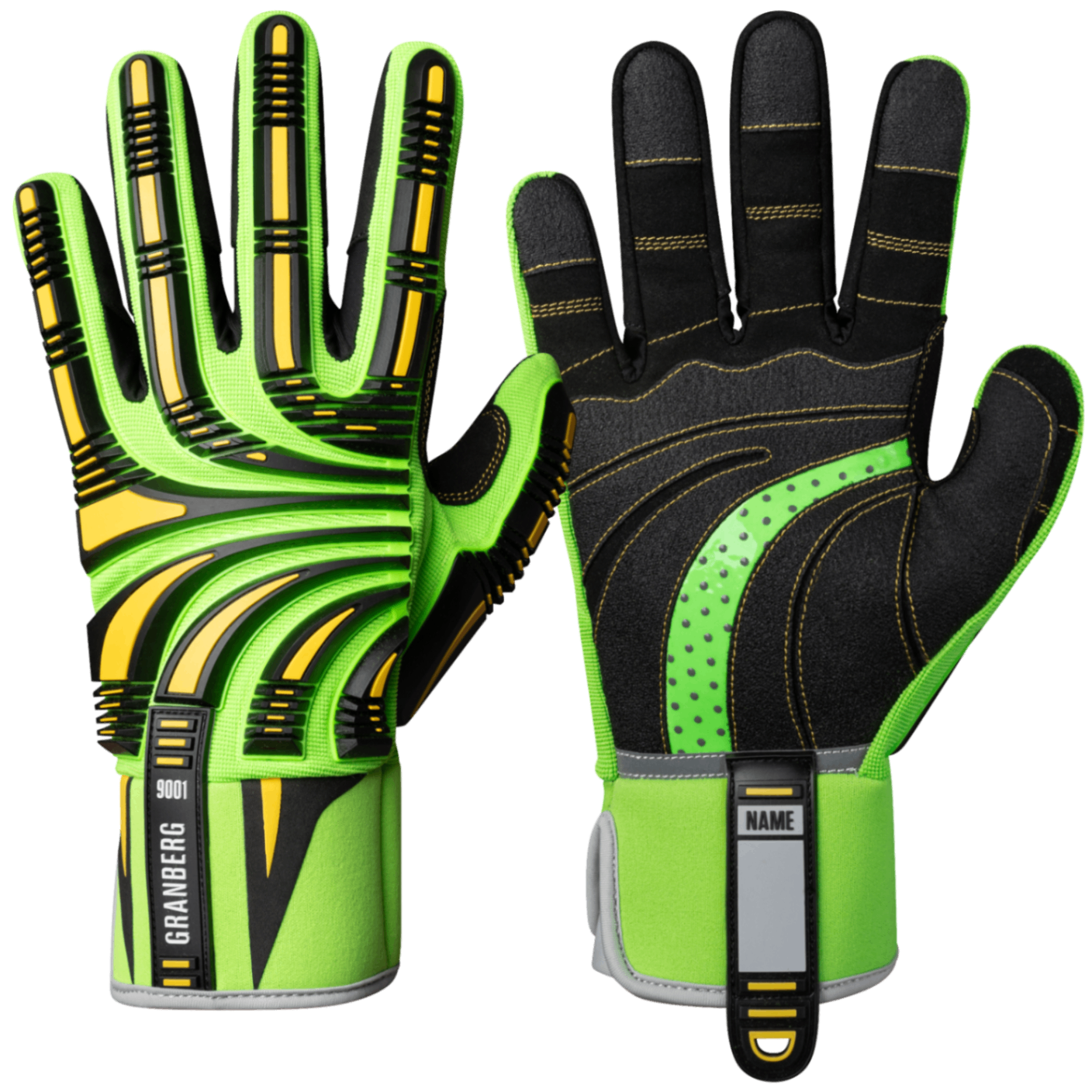
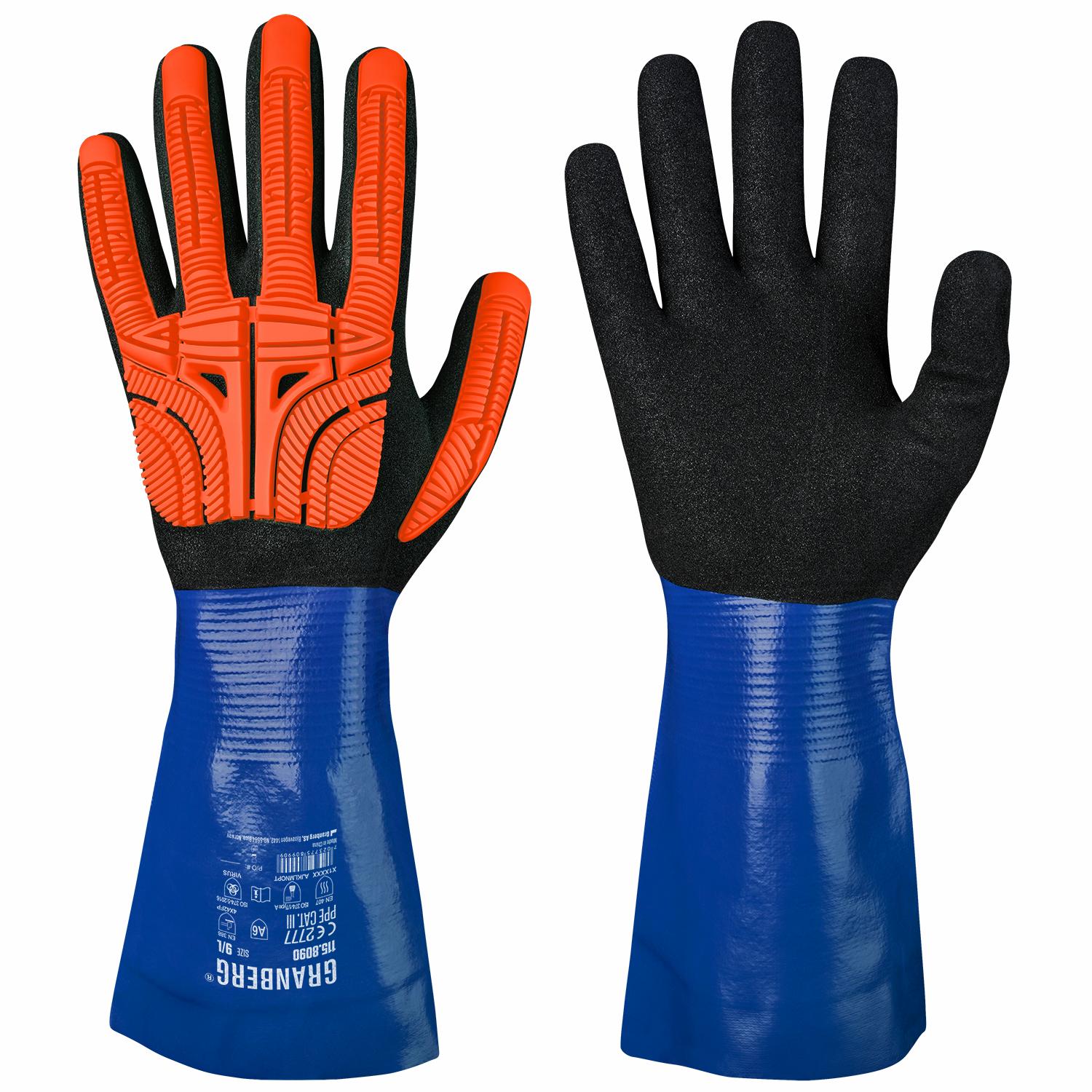
- GRANBERG 8090: Chemical, Cut & Impact Gloves, 35 cm
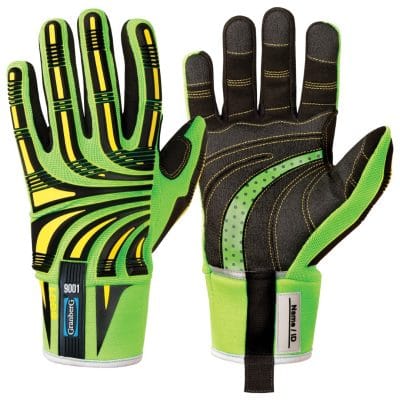
- GRANBERG 9001 Kozane: Cut Level F Impact Gloves
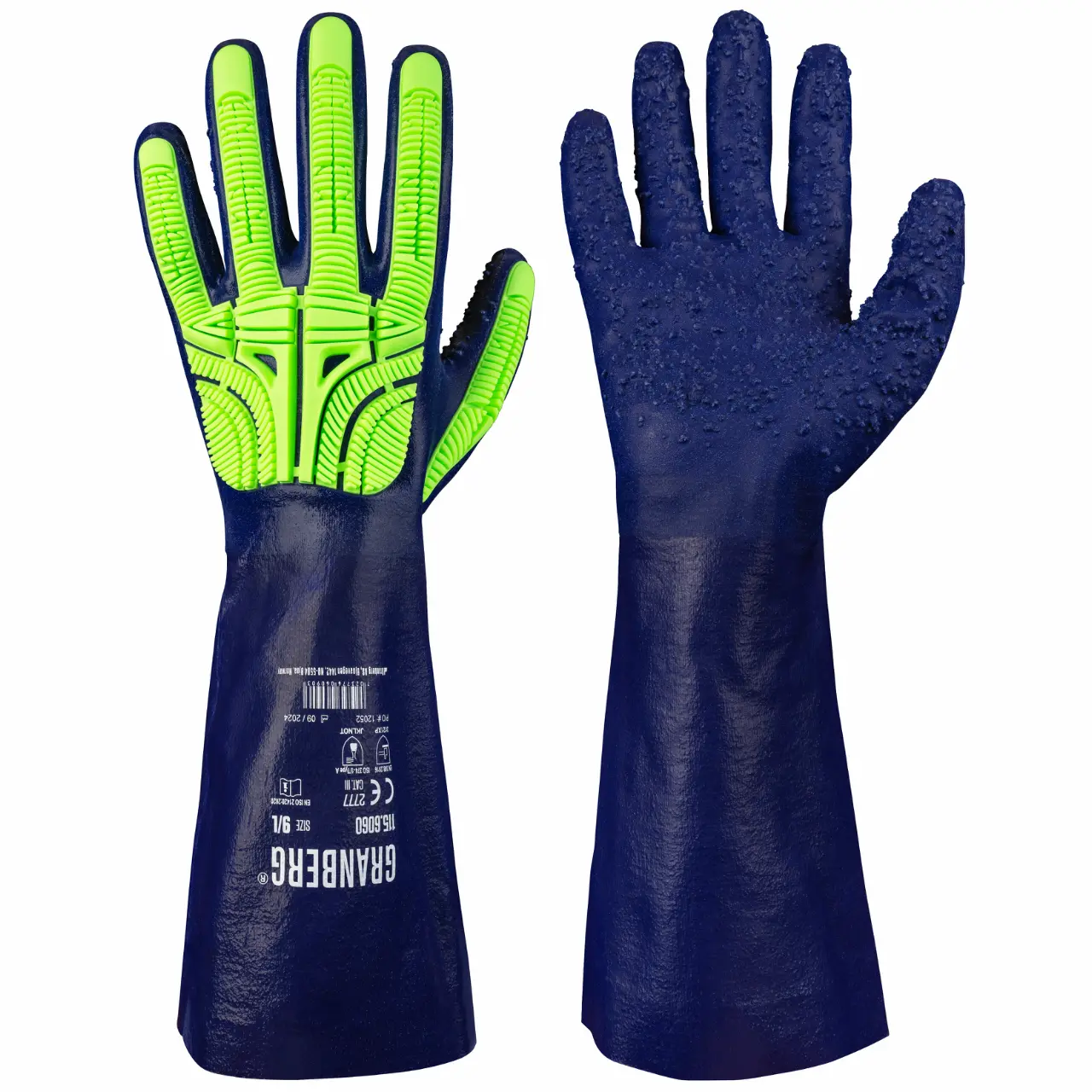
- GRANBERG 6060: Chemical & Impact Nitrile Gloves, 39 cm
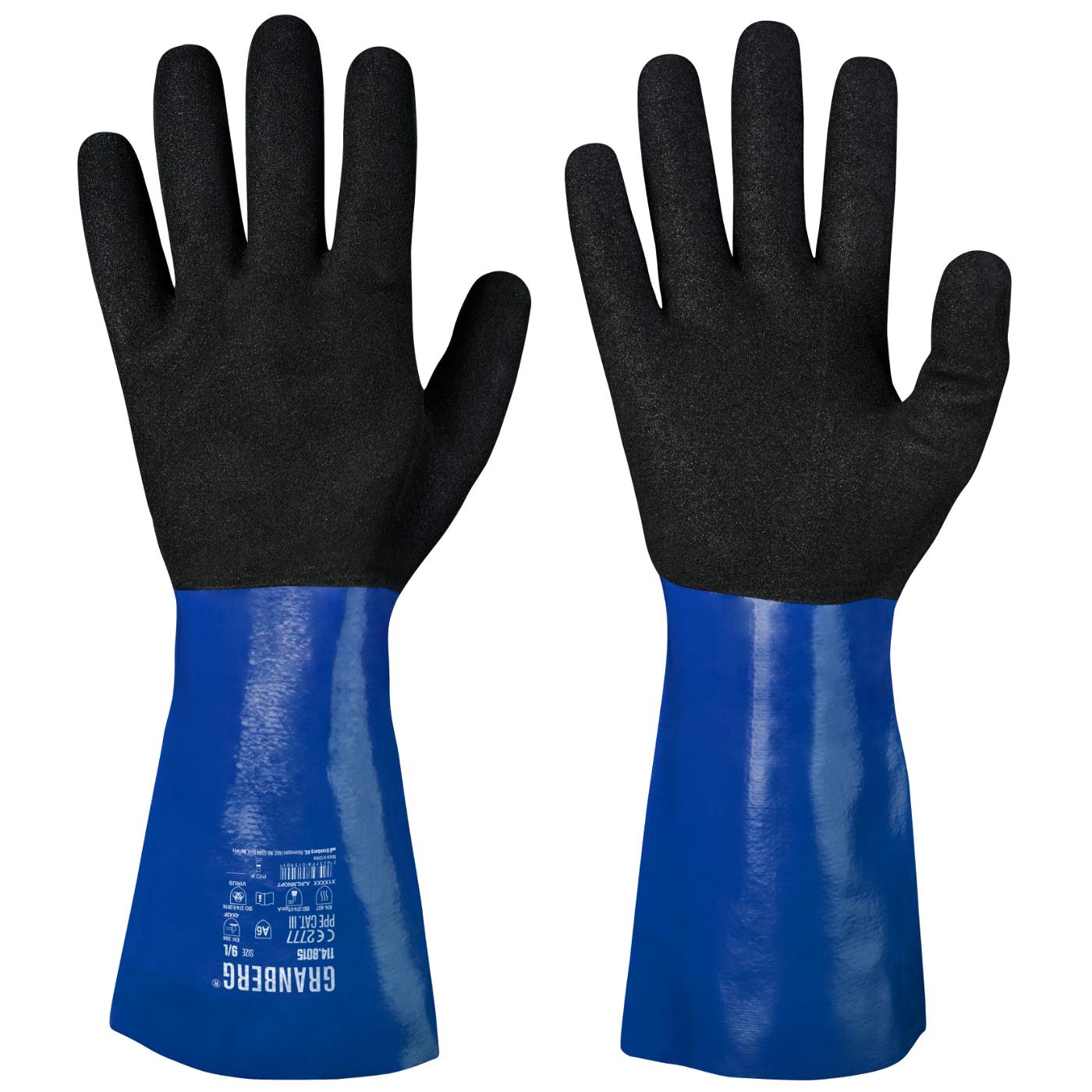
- GRANBERG 8015: Cut & Chemical-Resistant Nitrile Gloves
- GRANBERG 6065: Chemical & Impact Winter Gloves
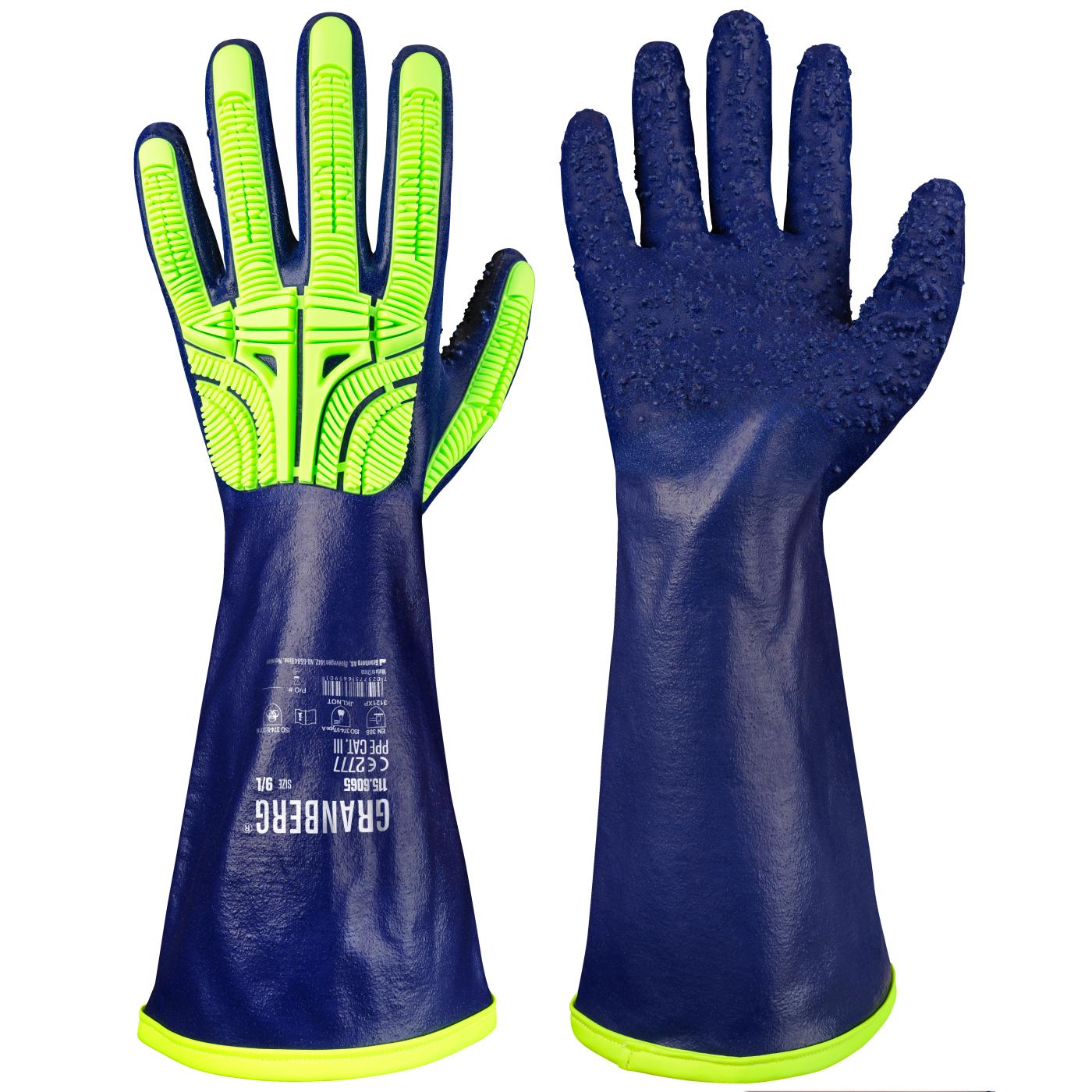
- GRANBERG 6070: Chemical & Impact Gloves, Methanol Resistant
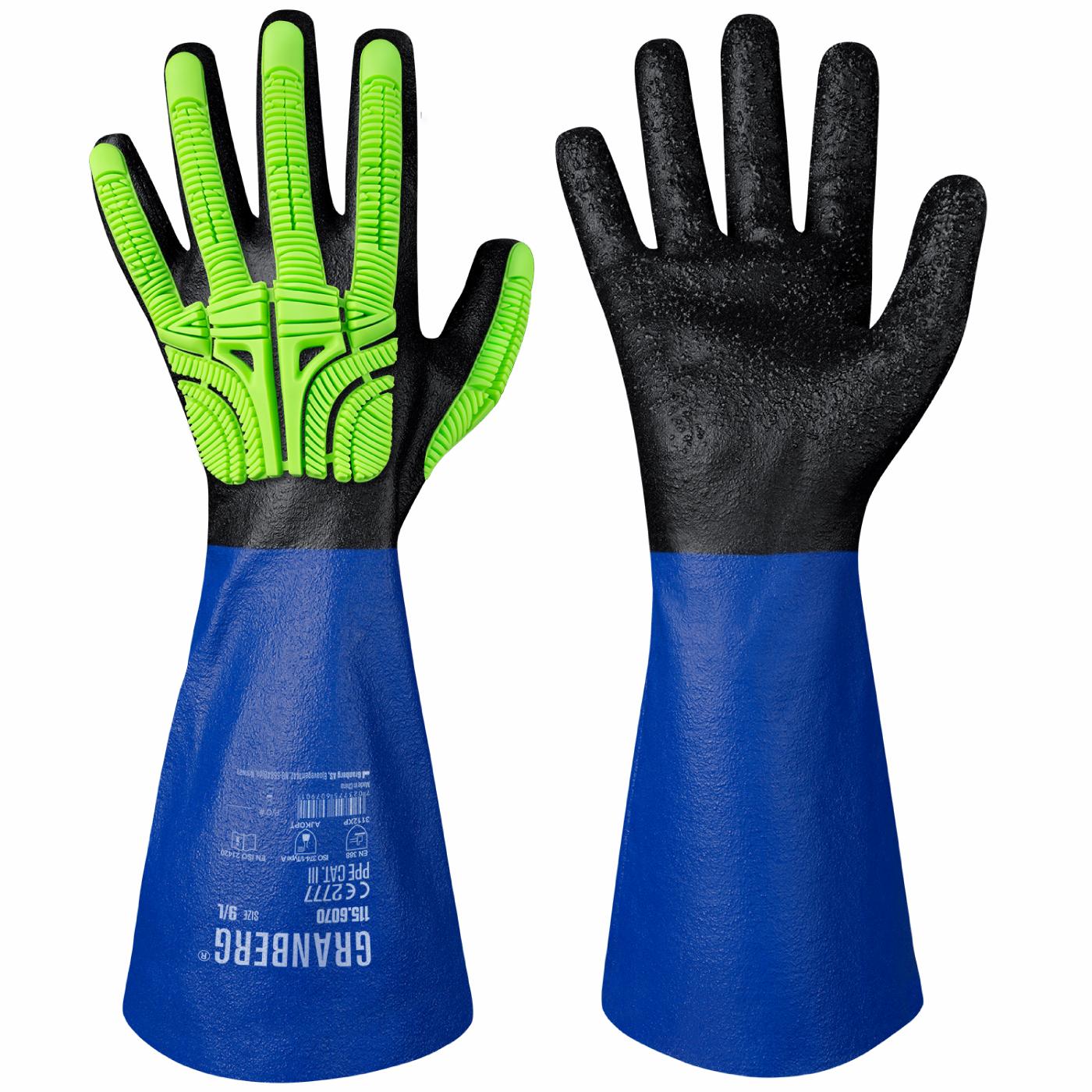
- GRANBERG 530: Cut Level F Latex-Coated Gloves
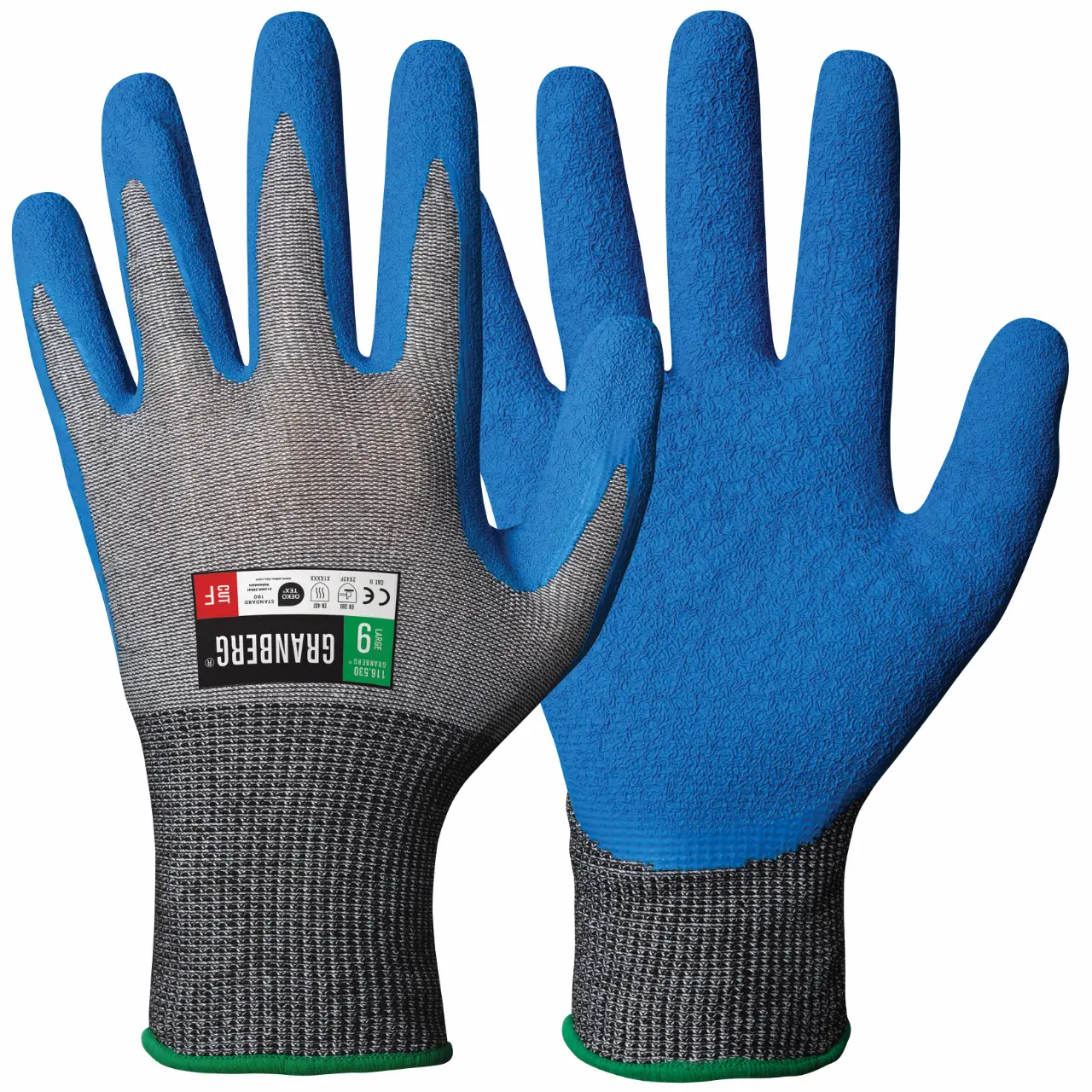
- GRANBERG 593: Cut D Sandy Nitrile Waterproof Gloves
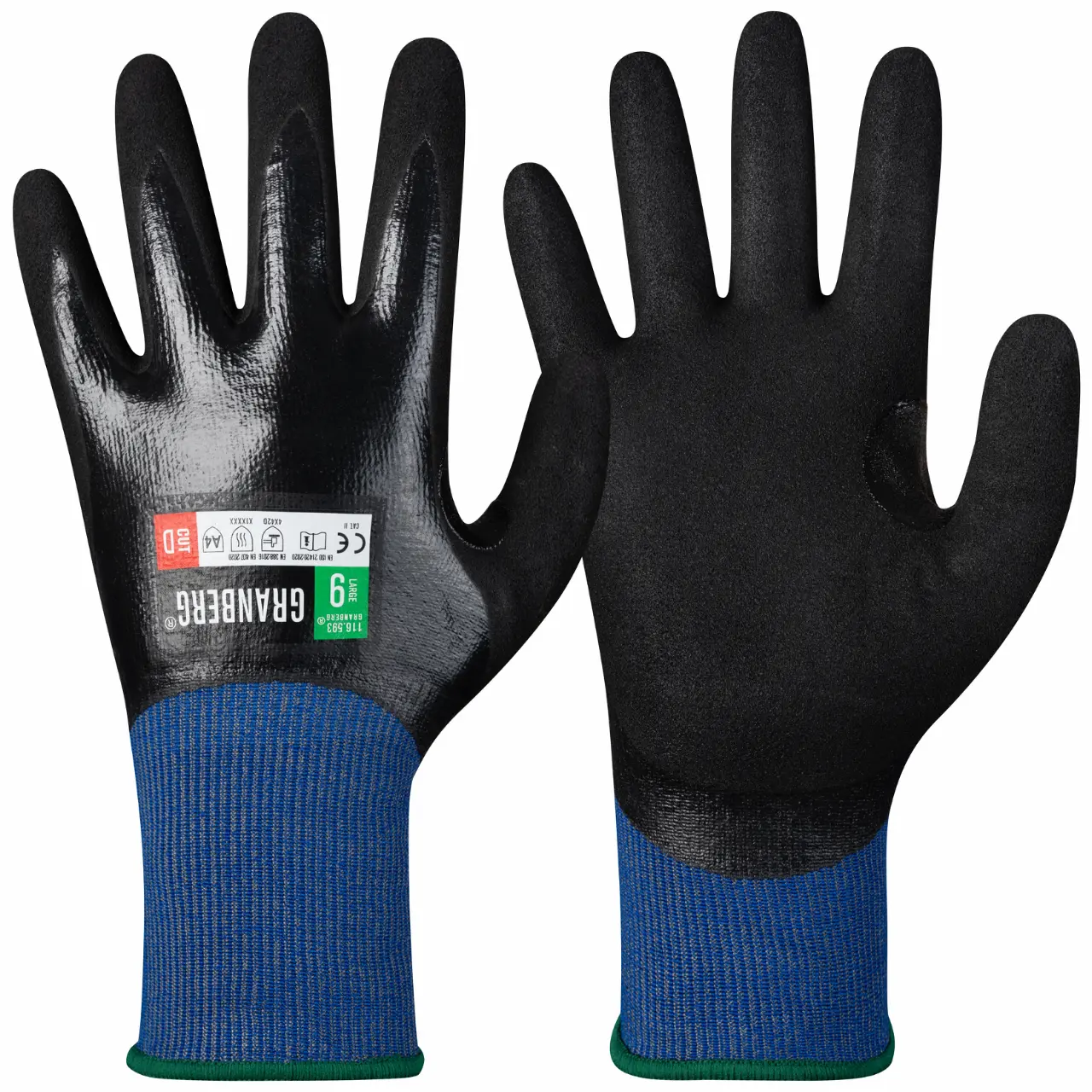
- GRANBERG 597: Cut Level F Nitrile-Grip Gloves
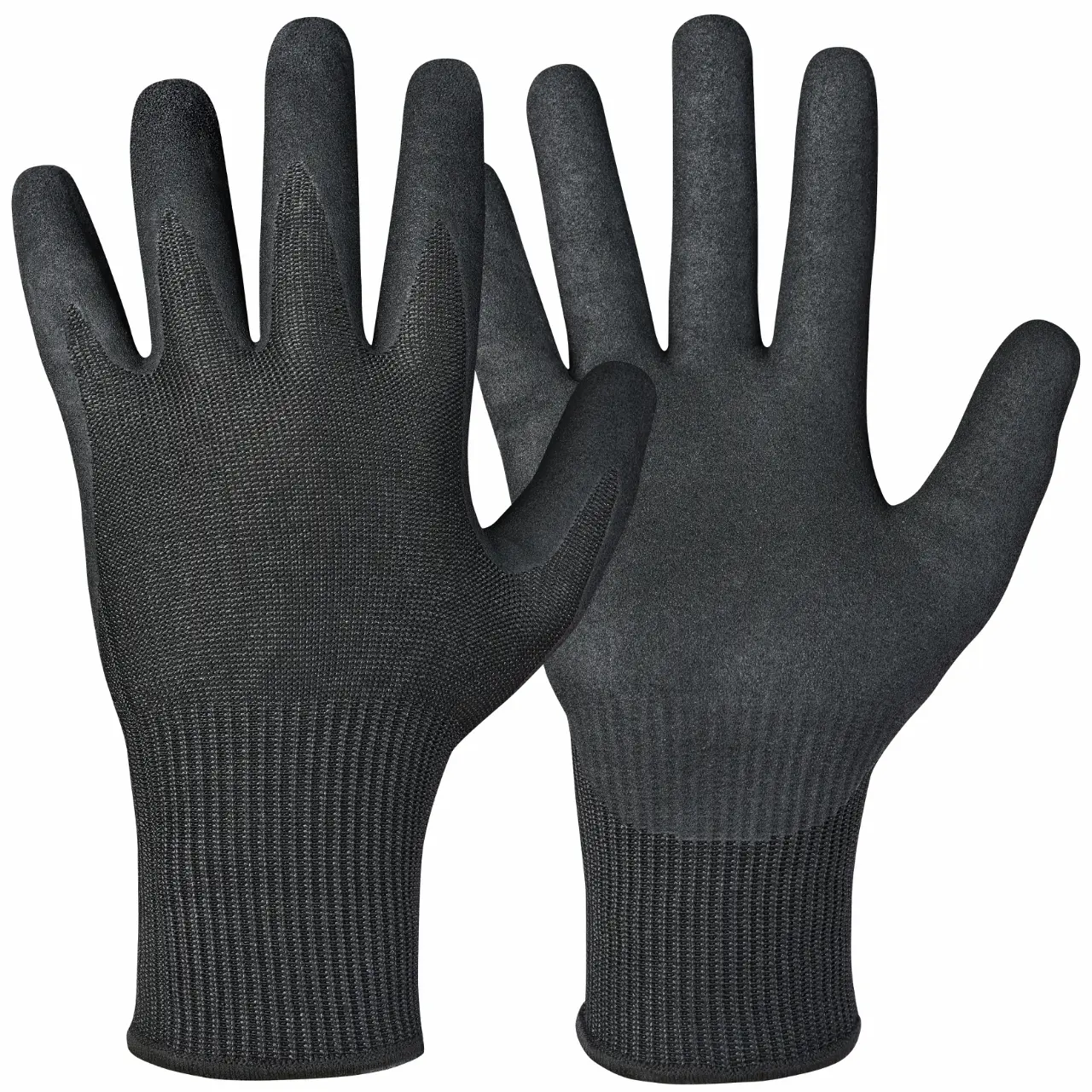
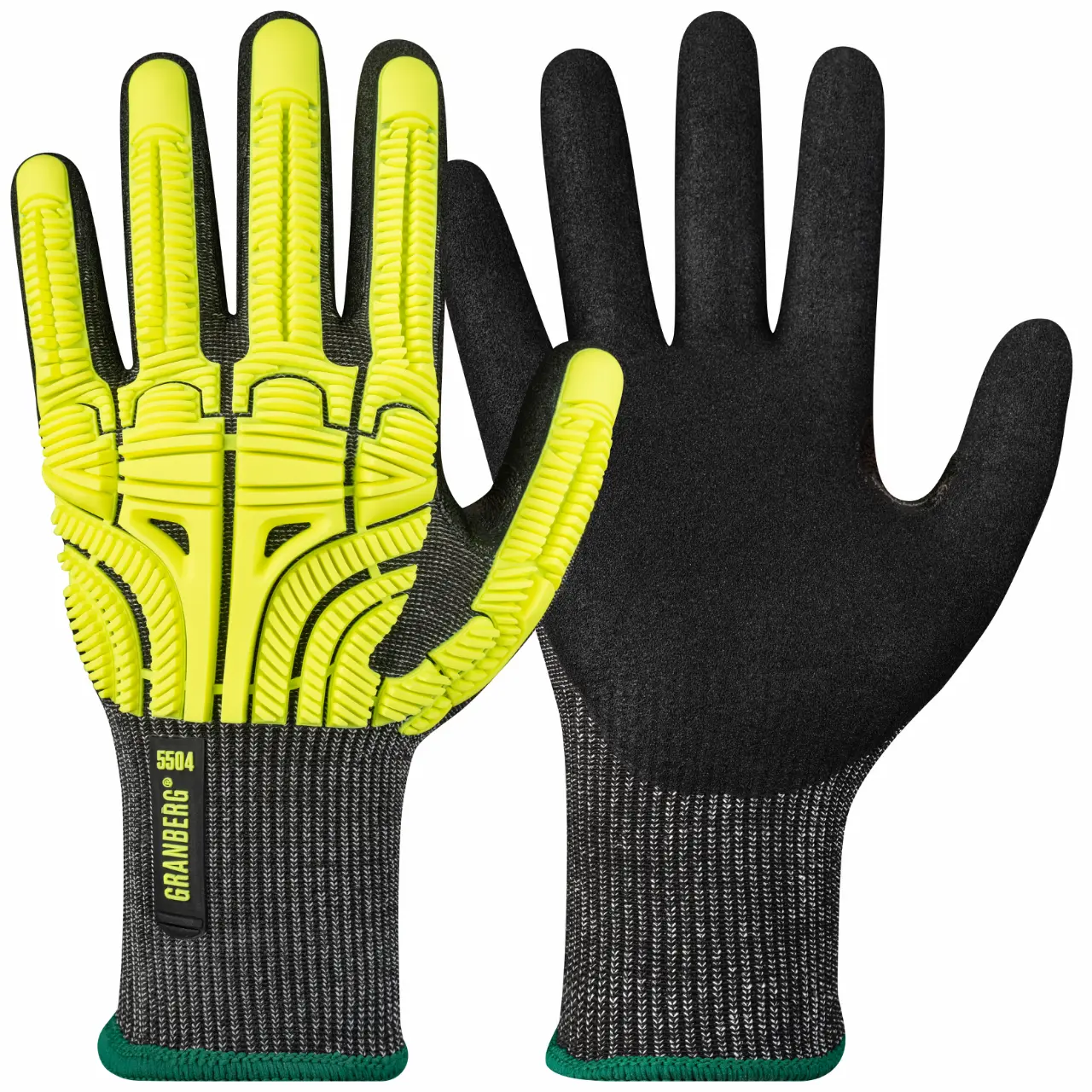
- GRANBERG 5504: Cut D Impact Gloves, Full Nitrile Coat
- GRANBERG EX 4999W: Waterproof Winter Cut Gloves
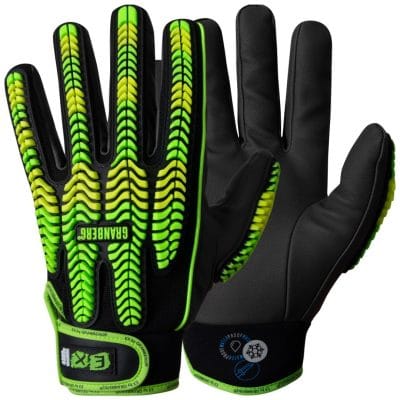
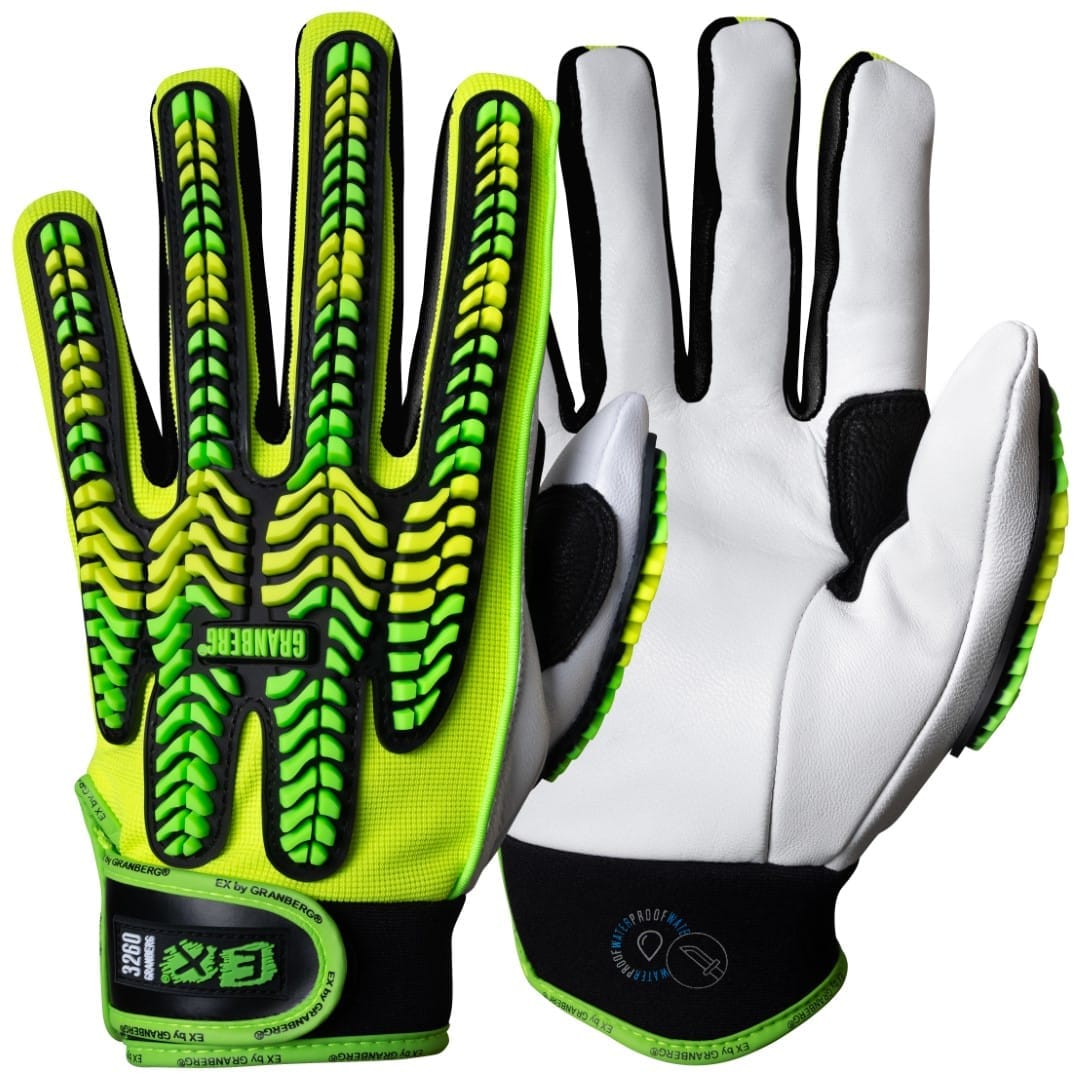
- GRANBERG EX 3260: Cut and Impact Work Gloves
- GRANBERG 592: Touchscreen Cut-Resistant Gloves
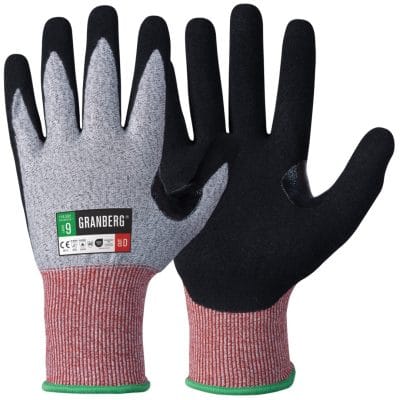
- GRANBERG EX 3280: Cut & Impact Work Gloves (Dry Use)
Frequently asked questions
What does the P mean on an EN 388 marking?
A P in the sixth position means the glove passed the EN 13594 knuckle impact test under EN 388. An X or a blank in that position means the glove was not tested for impact.
Is ANSI/ISEA 138 the same as the EN 388 impact test?
No. They are separate standards with different test methods. ANSI/ISEA 138 grades knuckle and finger impact protection as level 1, 2 or 3. EN 388 records a pass with the letter P. Read each marking on its own terms.
What cut level should I specify for handling steel mesh?
A common starting point is EN 388 cut level D or higher, or ANSI A4 or higher on lines that carry an ANSI rating. Move up to level E or F where edges are fresh and handling is constant.
Do anti vibration gloves remove the risk from vibrating tools?
No. Gloves tested to EN ISO 10819 reduce the vibration reaching the hand, but exposure time and tool selection still need to be managed as part of a vibration control plan.
How are the gloves on this page chosen?
The list is built by rule from the Industrial range: every impact resistant glove, every vibration reducing glove, and every cut resistant glove rated EN 388 cut level D or higher or ANSI A4 or higher. Food processing, healthcare and single use lines are excluded.
Related glove types
Cut Resistant gloves · Impact Protection gloves · Winter & Cold gloves
Oil and Gas Safety Gloves · Construction Work Gloves
Send us the tasks and hazards and our team will put together a specification and carton pricing. Request a quote, check the glove sizing guide, or browse the full glove catalog.