Oil and Gas Safety Gloves
Drilling and production work puts hands near heavy moving pipe, slippery tools and fluids that can harm skin. A glove for this work usually needs impact protection, grip in oil and, for some tasks, a tested chemical barrier. This guide explains each of those properties in plain words, then lists every glove in the range that meets the oil and gas selection rule.
Impact and pinch hazards on the drilling floor
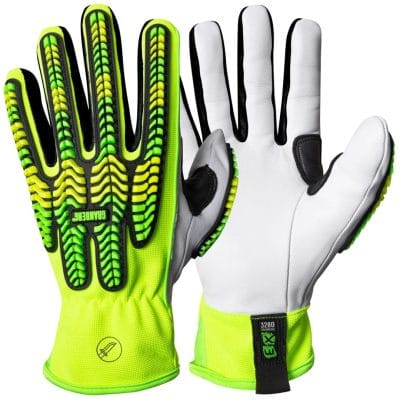
Tripping pipe, making up connections and handling tongs, slips and elevators put hands between heavy steel parts. Most of these injuries are crush and pinch injuries to the back of the hand and the fingers. Impact gloves place molded TPR guards over the knuckles and the backs of the fingers so a glancing blow is spread out before it reaches the bone.
Under EN 388, a P in the sixth position of the marking means the glove passed the knuckle impact test. Some lines also carry ANSI/ISEA 138, which grades impact protection as level 1, 2 or 3. Only treat a glove as ANSI/ISEA 138 rated when its product page lists that standard. The impact glove range shows the guard layouts.
Keeping grip when everything is oily
Drilling fluid, pipe dope, crude and hydraulic oil make tools and pipe slippery, and a slipping hand is how many impact injuries start. Look for a glove whose record lists grip in oil. Nitrile coatings and textured palms shed oil better than smooth surfaces. Check the grip conditions on each product page, because a glove listed for dry and wet grip only is not the right choice where oil is constant. The nitrile coated range is a good place to compare.
Drilling fluids and chemical splash: EN ISO 374-1 in plain words
Chemical protective gloves are tested by measuring how long a chemical takes to pass through the glove material. That time is the breakthrough time. It is graded from level 1 (at least 10 minutes) up to level 6 (at least 480 minutes). The test uses a list of reference chemicals, each with a code letter.
Type A means the glove reached at least 30 minutes against at least six of the listed chemicals. Type B means at least 30 minutes against at least three. Type C means at least 10 minutes against at least one. The letters printed under the marking tell you which chemicals were tested. Match those letters to the substances on your site, and check the safety data sheet for anything not on the list. EN ISO 374-5 adds protection against micro organisms.
A higher Type is not automatically right for every fluid. What matters is that the glove was tested against chemicals like the ones you handle, for longer than the task lasts. The chemical resistant range lists the Type for each glove.
Cold weather work and gauntlet length
Outdoor sites in winter call for insulation. Look for an EN 511 rating or a lined glove, and remember that a wet glove loses its warmth quickly, so a liquid proof shell matters as much as the lining. The winter range covers insulated options.
Gauntlet length protects the wrist and forearm from splash running down the arm. A longer cuff, around 35 to 40 cm, suits tank cleaning, fluid handling and washing down. A short cuff suits rig floor work where a long gauntlet can snag. Where cut hazards are also present, read how to read EN 388 and ANSI cut levels.
Gloves for oil and gas
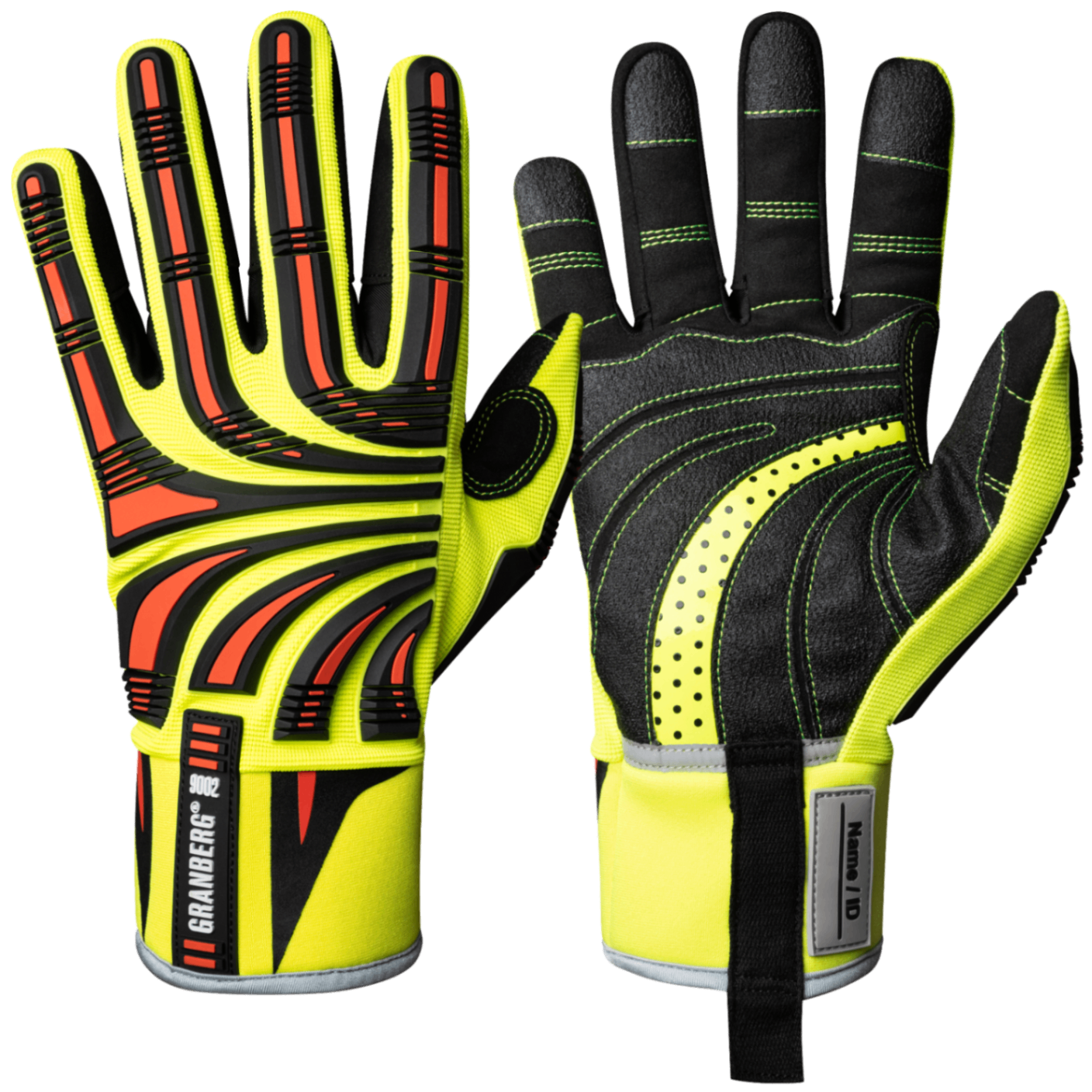
- GRANBERG 9002: Extreme Cut & Impact Work Gloves
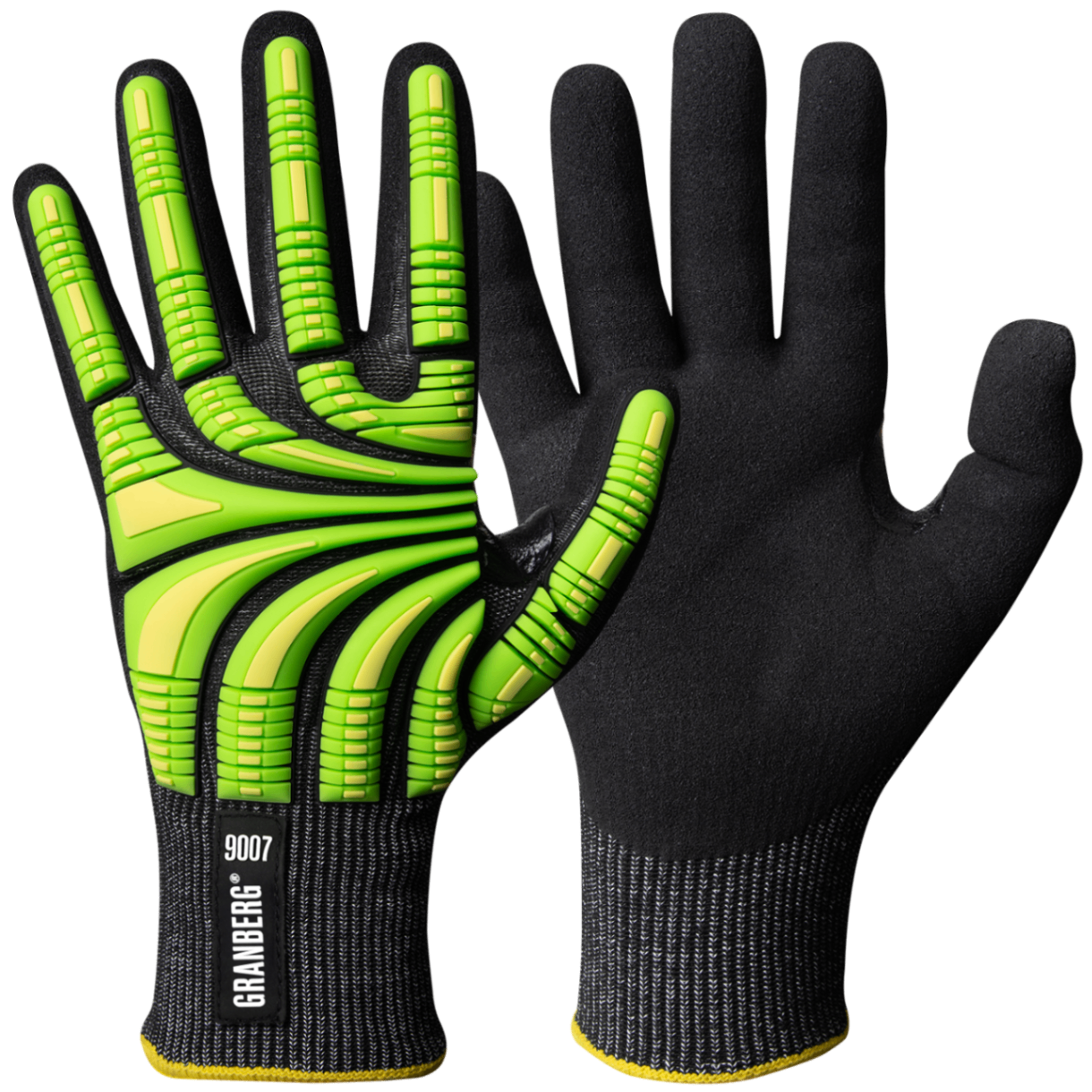
- GRANBERG 9007 Gloves: Cut & Impact Protection Gear
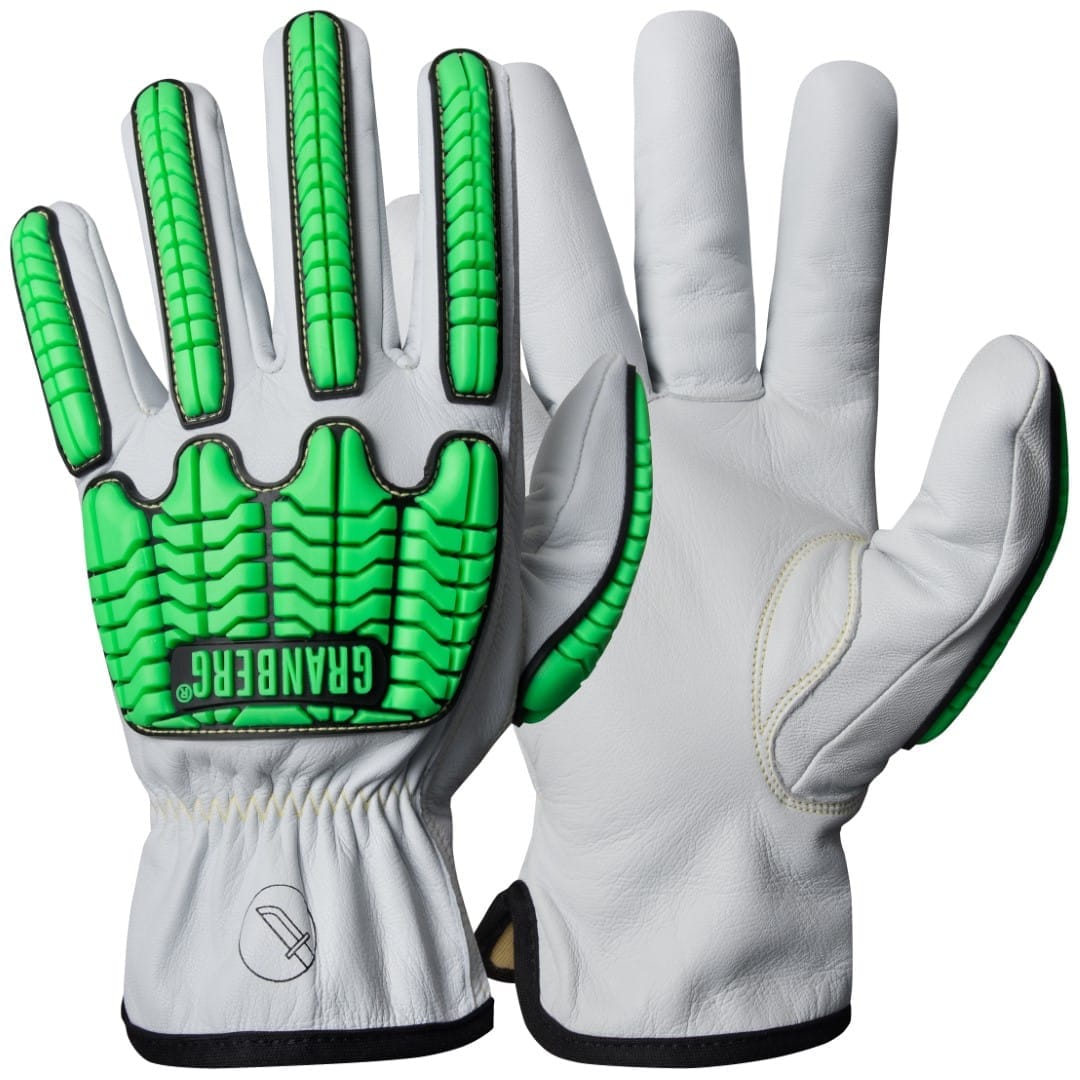
- GRANBERG 1190: Arc Flash, Cut and Impact Work Gloves
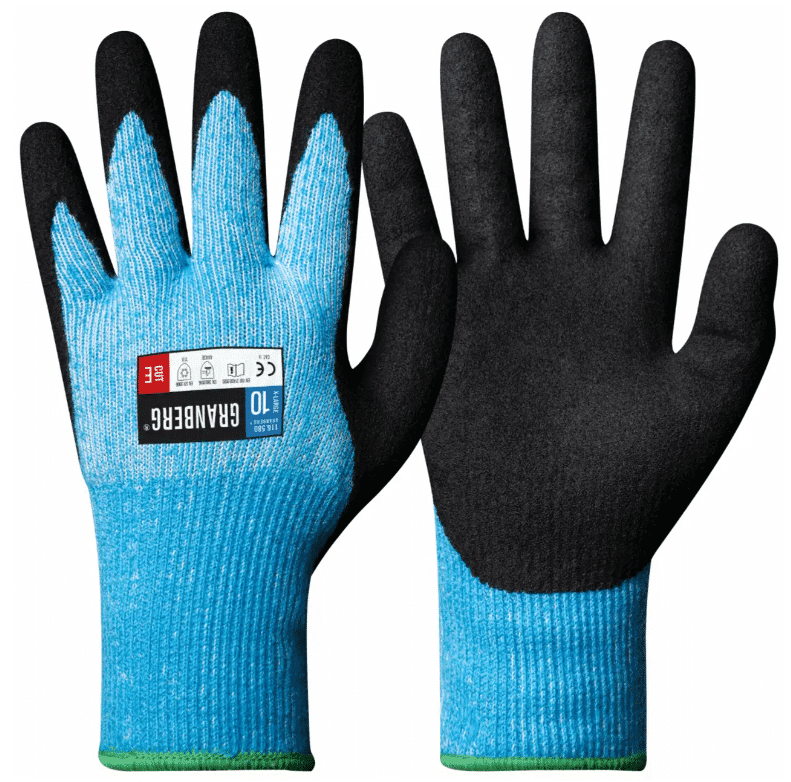
- GRANBERG 580: Thermal Cut-Resistant Work Gloves
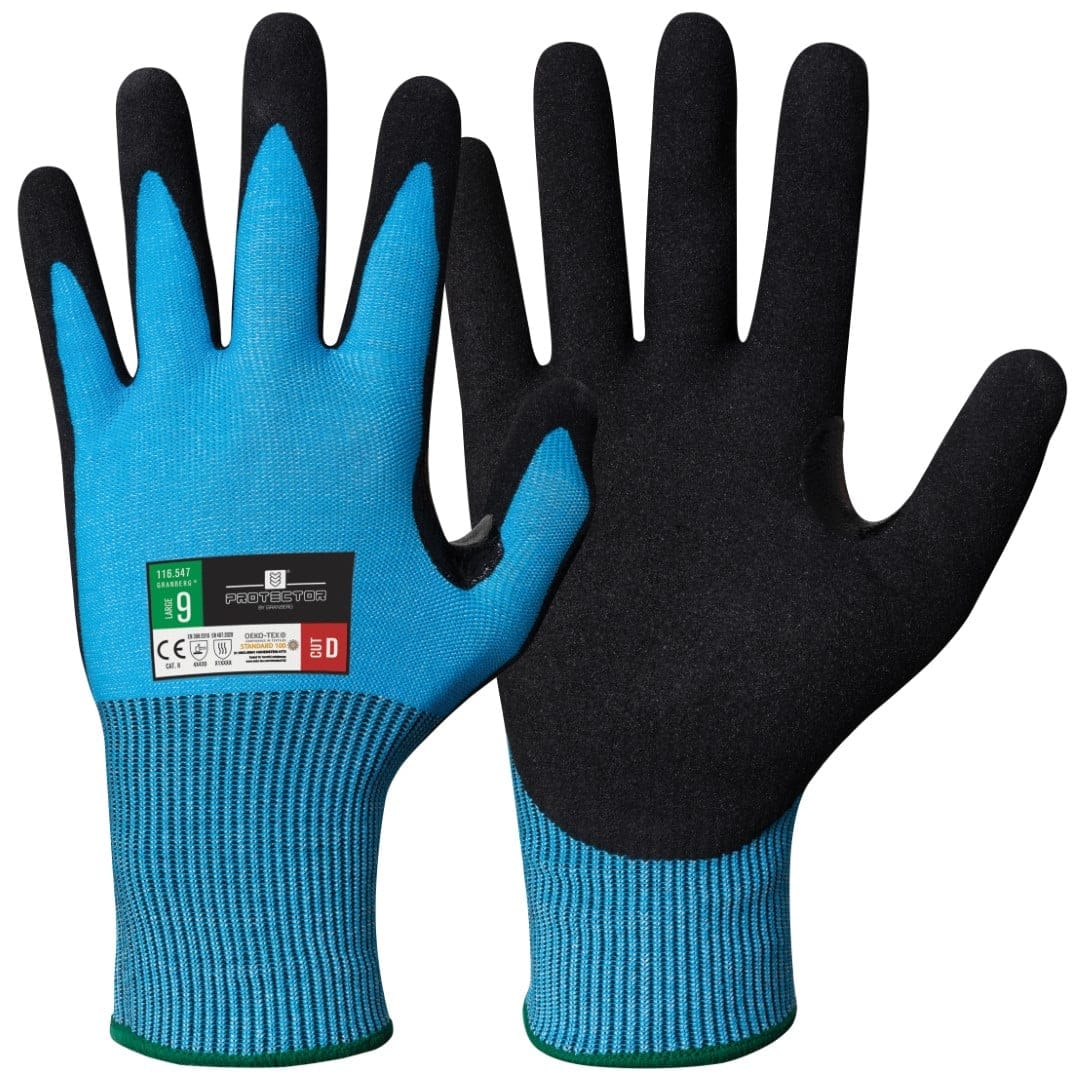
- GRANBERG 547: Cut Level D Sandy Nitrile Grip Gloves
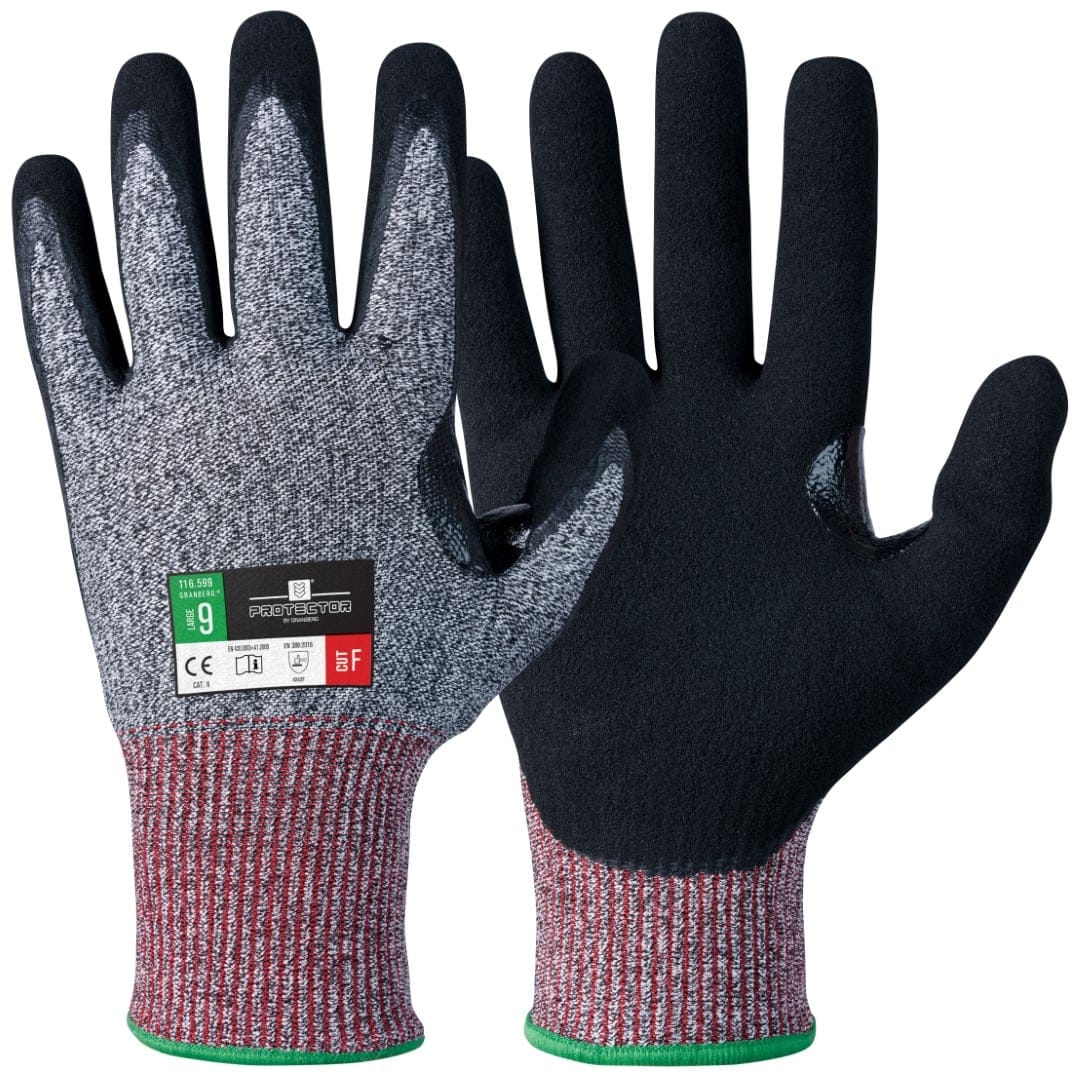
- GRANBERG 599: Level F Cut-Resistant Gloves for Oily Work
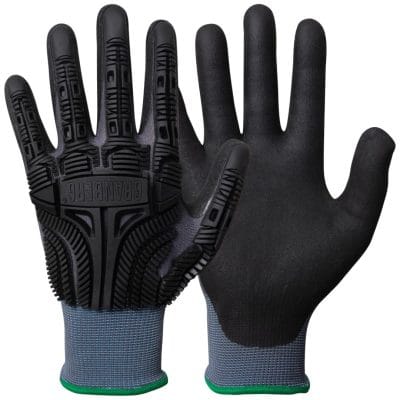
- GRANBERG 5502: Impact Gloves with Oil Grip
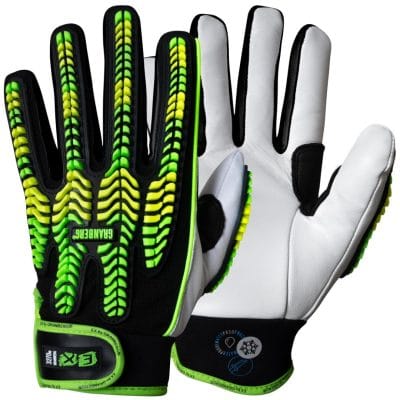
- GRANBERG EX 3270W: Winter Cut & Impact Work Gloves
- GRANBERG 5503: Cut & Impact Gloves for Oily Conditions
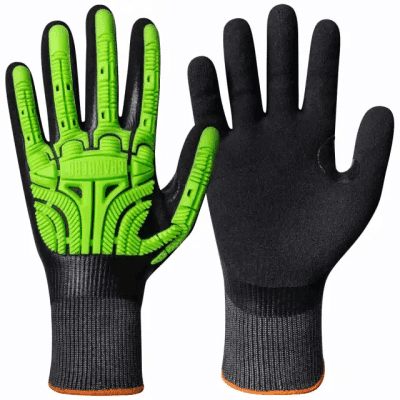
- GRANBERG EX 3250: High Cut & Impact Resistant Gloves
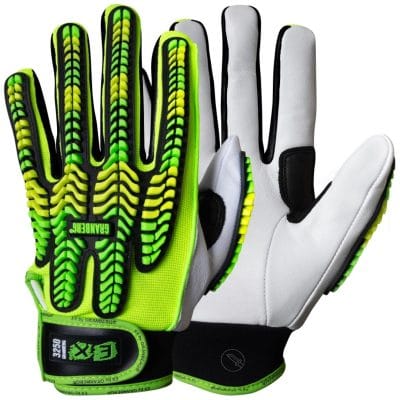
- GRANBERG 5501: Heavy-Duty Cut & Impact Gloves
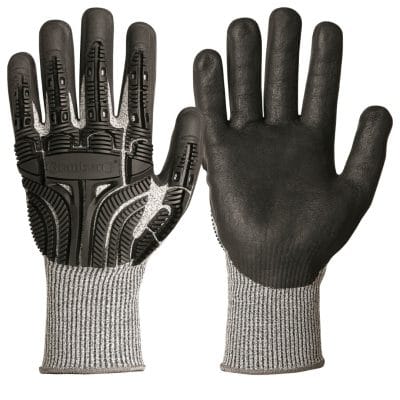
- GRANBERG 1191: Kevlar® Cut-Resistant Goatskin Gloves
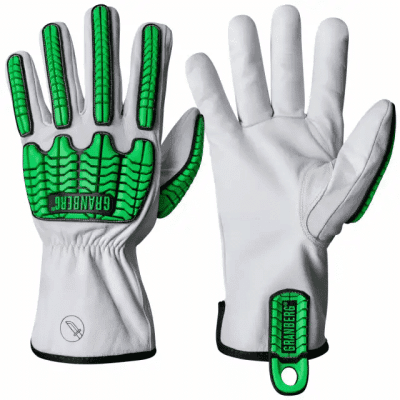
- GRANBERG 9001: Cut & Impact Gloves, Previous Spec Clearance
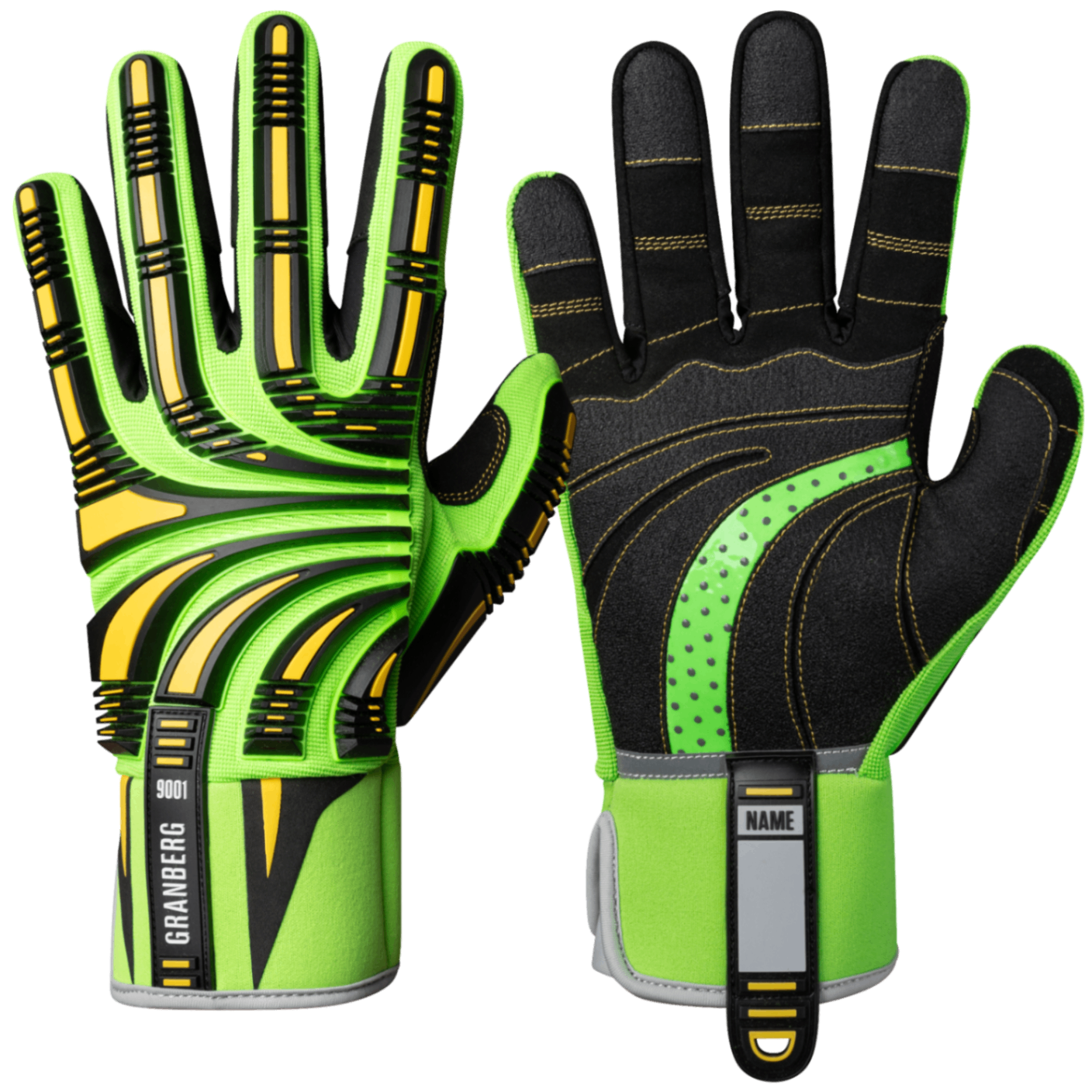
- GRANBERG 8090: Chemical, Cut & Impact Gloves, 35 cm
- GRANBERG 9001 Kozane: Cut Level F Impact Gloves
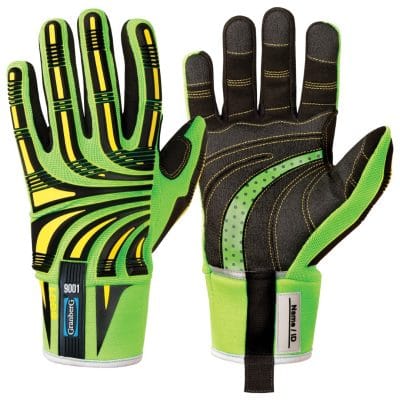
- GRANBERG 6060: Chemical & Impact Nitrile Gloves, 39 cm
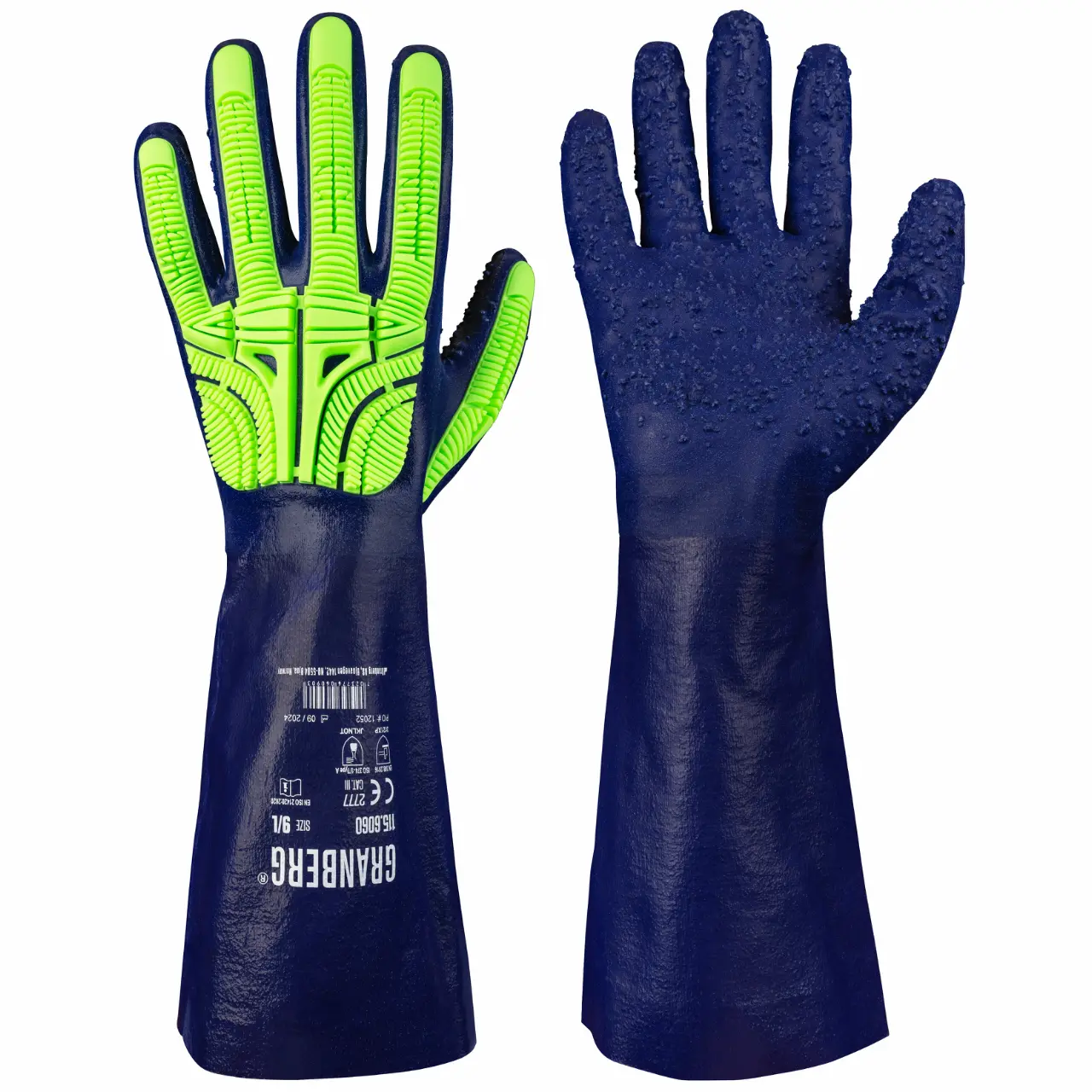
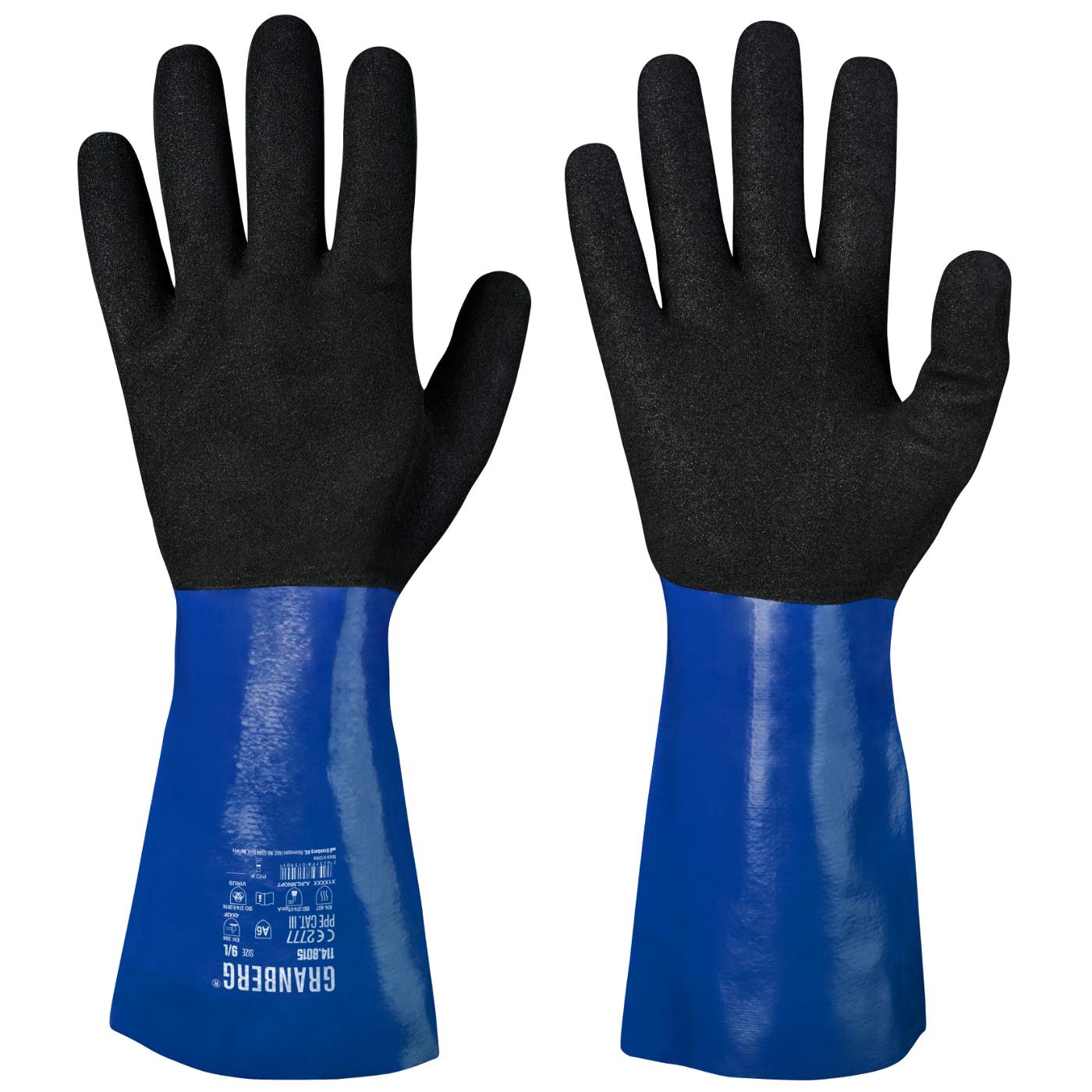
- GRANBERG 8015: Cut & Chemical-Resistant Nitrile Gloves
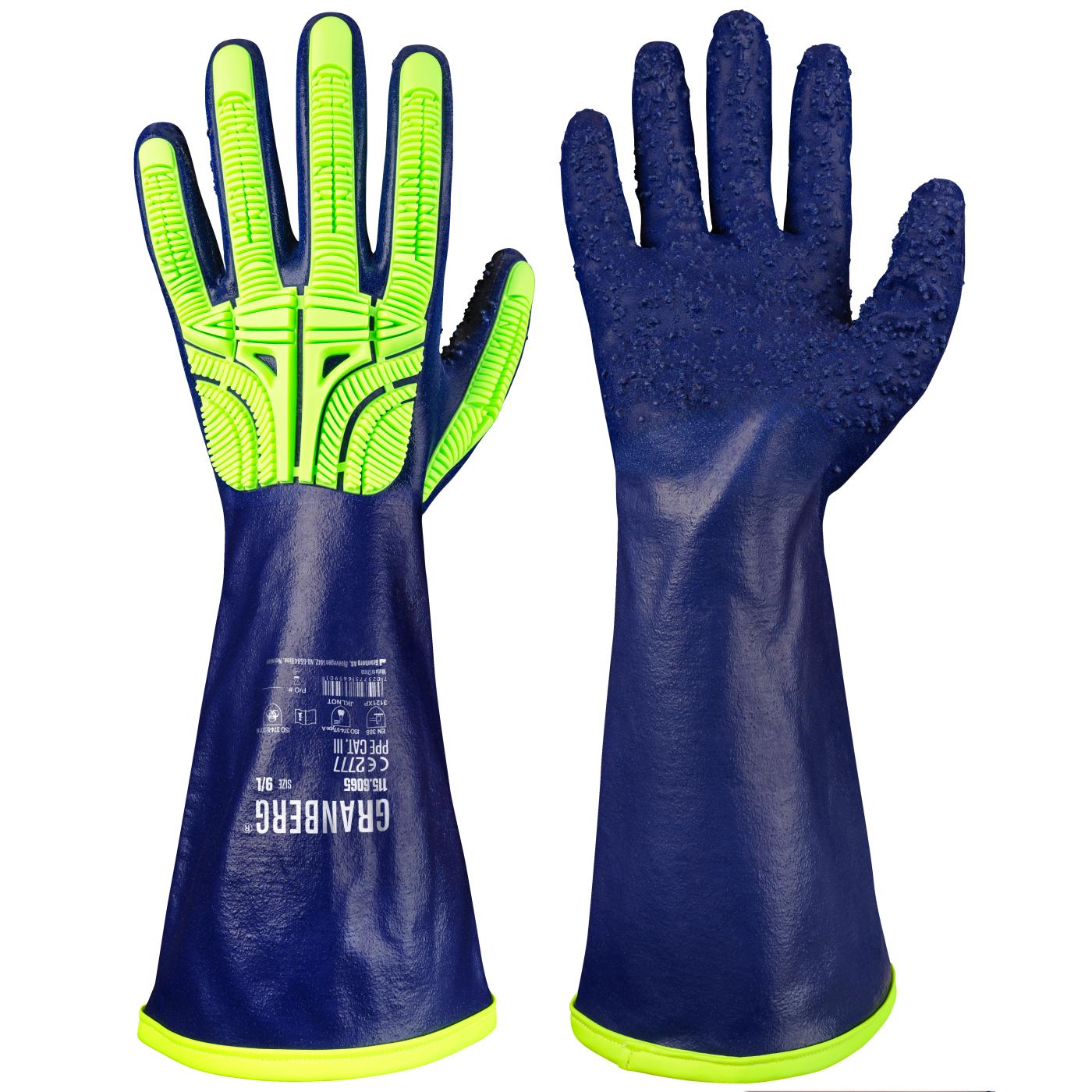
- GRANBERG 6065: Chemical & Impact Winter Gloves
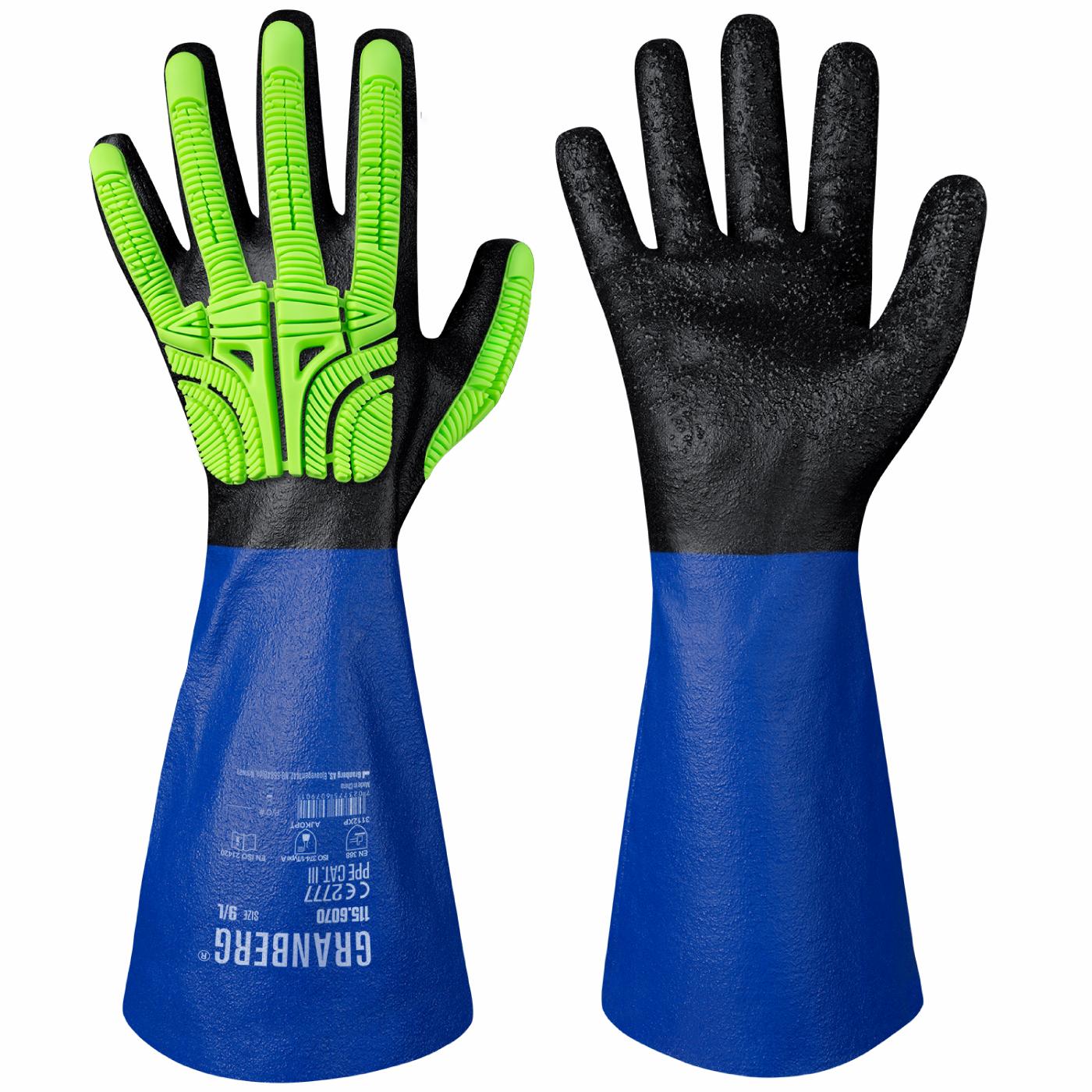
- GRANBERG 6070: Chemical & Impact Gloves, Methanol Resistant
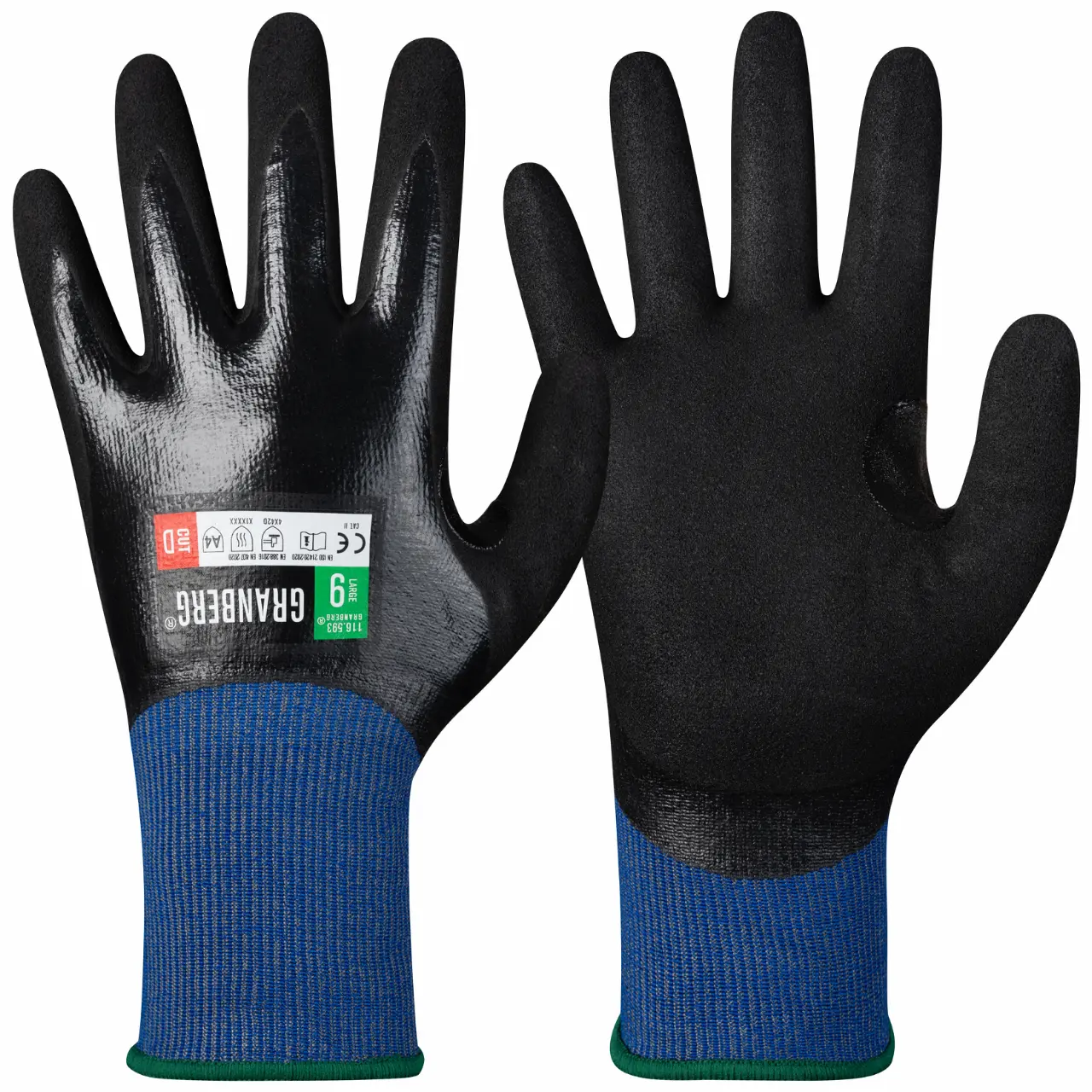
- GRANBERG 593: Cut D Sandy Nitrile Waterproof Gloves
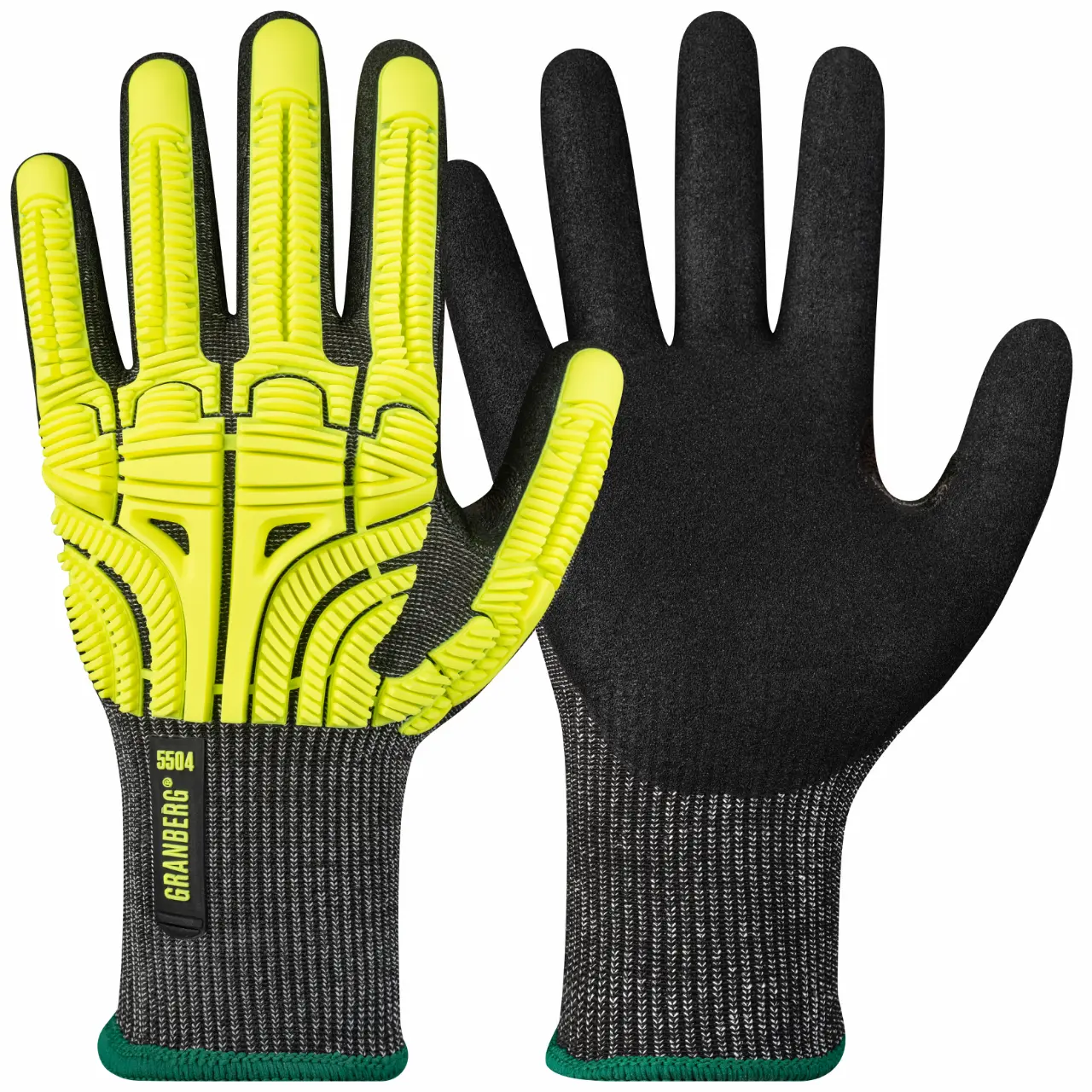
- GRANBERG 5504: Cut D Impact Gloves, Full Nitrile Coat
- GRANBERG EX 4999W: Waterproof Winter Cut Gloves
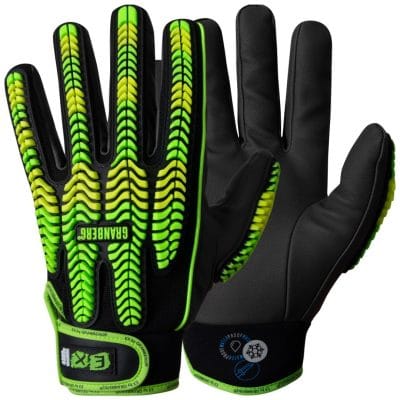
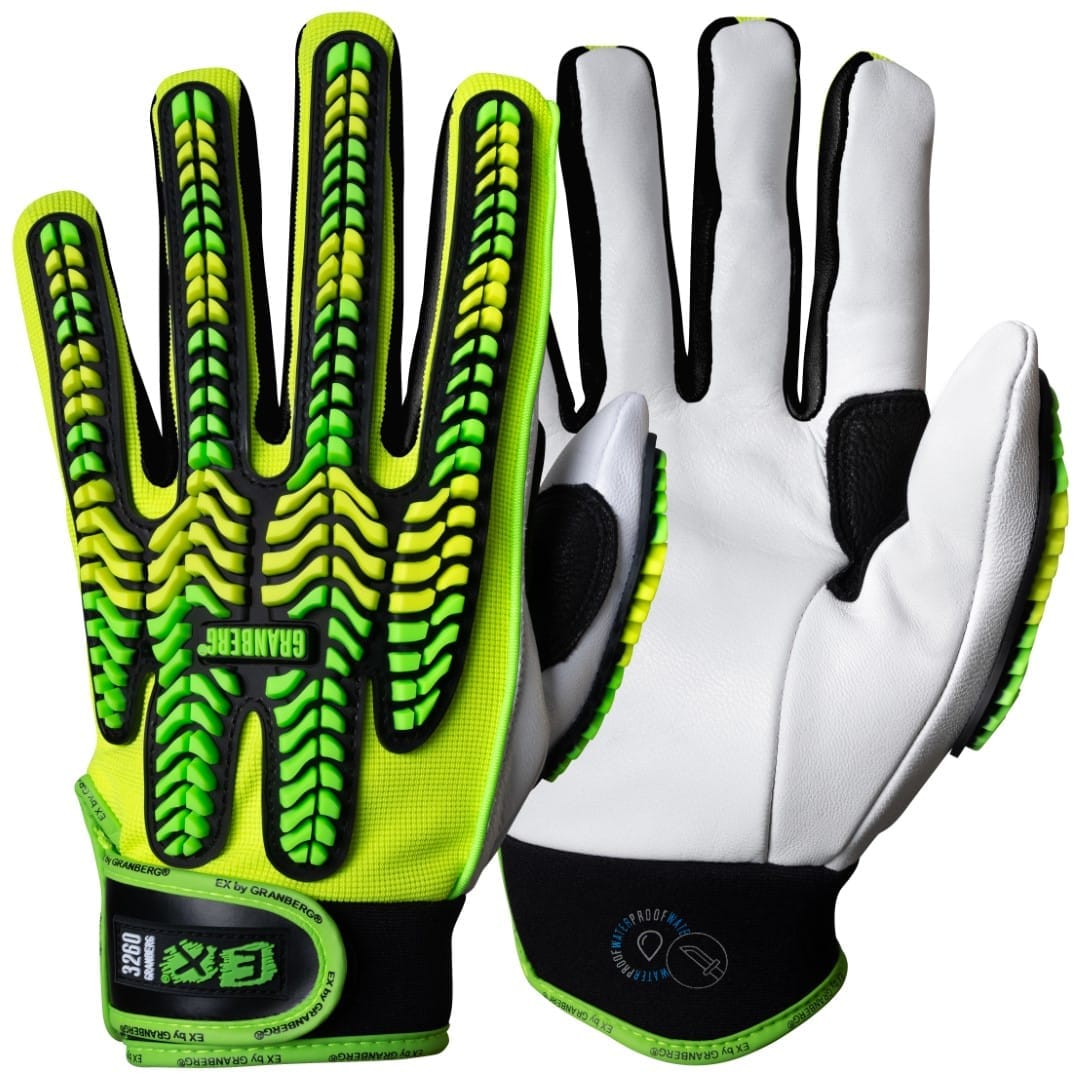
- GRANBERG EX 3260: Cut and Impact Work Gloves
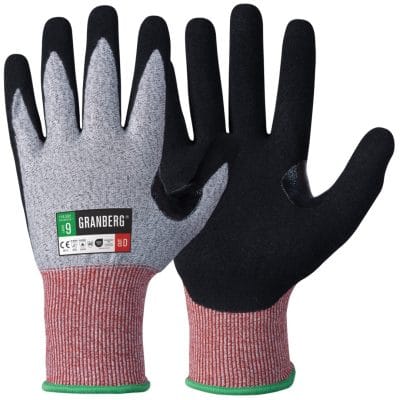
- GRANBERG 592: Touchscreen Cut-Resistant Gloves
- GRANBERG EX 3280: Cut & Impact Work Gloves (Dry Use)
Frequently asked questions
What is breakthrough time on a chemical glove?
Breakthrough time is how long a test chemical takes to pass through the glove material. EN ISO 374-1 grades it from level 1, at least 10 minutes, to level 6, at least 480 minutes.
What is the difference between EN ISO 374-1 Type A, B and C?
Type A means at least 30 minutes breakthrough against at least six listed chemicals. Type B means at least 30 minutes against at least three. Type C means at least 10 minutes against at least one.
Does a Type A glove protect against every drilling fluid?
Not necessarily. Type A describes performance against the tested reference chemicals. Compare the code letters on the glove with the substances on your safety data sheets before you specify.
How long should a gauntlet be for fluid handling?
Tasks with splash running toward the wrist, such as tank cleaning and washing down, suit a longer cuff of around 35 to 40 cm. Rig floor work usually suits a shorter cuff that will not snag.
How are the gloves on this page chosen?
The list is built by rule: every impact resistant glove in the Industrial range, and every glove whose record lists grip in oil together with an impact or cut rating. Chemical resistant gloves certified to EN ISO 374-1 Type A are included only when they also carry an impact or cut rating. Food processing, healthcare and single use lines are excluded.
Related glove types
Impact Protection gloves · Chemical Resistant gloves · Winter & Cold gloves
Safety Gloves for Mining · Construction Work Gloves
Send us the tasks and hazards and our team will put together a specification and carton pricing. Request a quote, check the glove sizing guide, or browse the full glove catalog.