Winter & Cold Gloves
Insulated and waterproof winter gloves rated under EN 511 for convective cold, contact cold and water penetration, built for Canadian outdoor work and for cold storage and freezer handling.
How to choose a winter glove
EN 511 uses three digits and each one answers a different question. The first is convective cold, resistance to cold air passing through the glove, scored 0 to 4. The second is contact cold, resistance to heat loss when the hand touches a cold object, also scored 0 to 4. The third is water penetration and it is only 0 or 1, where 1 means no water entered the glove within 30 minutes of the test and 0 means water got in or the property was not tested. A glove can be strongly insulated against air and still score 0 for water, which matters more than most buyers expect.
Cold storage is not outdoor cold
A freezer room at minus 20 degrees Celsius is a still, dry, predictable environment. There is no wind, the temperature does not swing, and the dominant loss is contact cold from picking up frozen product and cold steel racking. The second digit is the one to read, along with palm insulation and a liner that keeps loft after repeated compression.
Outdoor winter work in Alberta, the Prairies, Quebec or the northern states is a different problem. Wind drives convective loss, so the first digit matters. Conditions change through the shift, snow melts on contact with a warm glove, and hands go from dry to soaked without the temperature rising. Once a liner is wet its insulation collapses and the glove becomes a heat sink. For outdoor work the third digit and a genuine waterproof breathable membrane usually do more for the wearer than adding insulation thickness.
Insulation against dexterity
There is no way around the trade off, so it is better to plan for it. Insulation works by trapping still air, and trapping more air means more bulk between the hand and the object. Beyond a certain thickness the wearer loses the ability to operate a latch, a hand tool or a tablet, and the glove comes off. Time spent bare handed at minus 25 is far more dangerous than a slightly thinner glove.
Two approaches work better than one thick glove. Where the cold exposure is intermittent, choose a moderately insulated glove with good feel and give the crew a warm up rotation. Where exposure is continuous and the hands are mostly gripping rather than manipulating, go heavier. Fit is also insulation. A tight winter glove compresses the liner and restricts circulation, which makes the hand colder than a correctly sized glove one step up. Sizing up half a size for winter work is usually right, and a longer knitted or elasticated cuff keeps snow and cold air out of the wrist gap.
Winter & Cold Gloves range
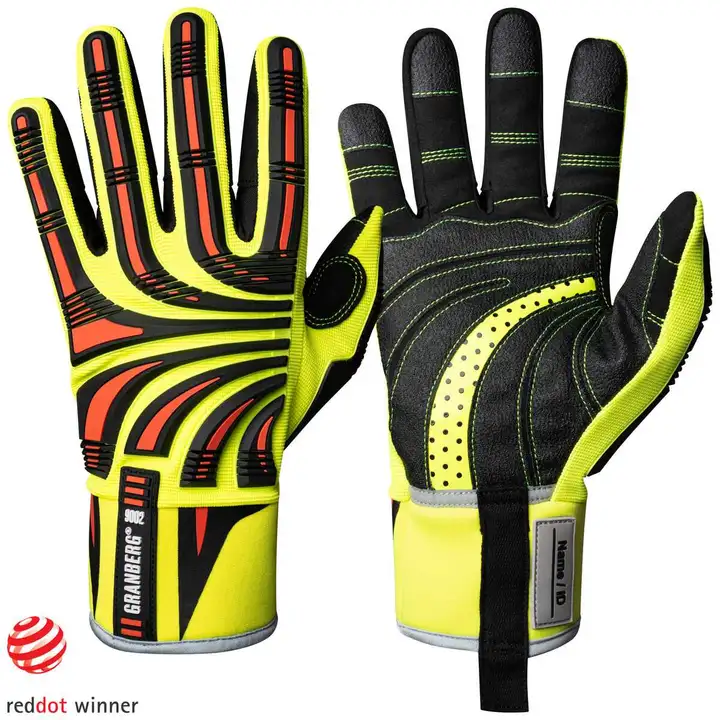
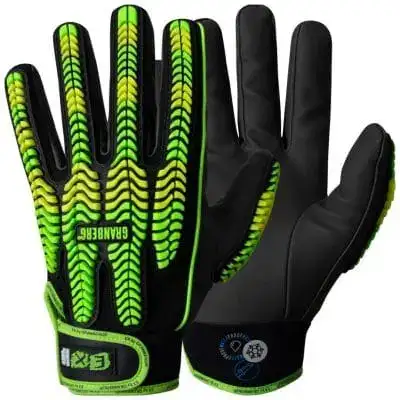
- GRANBERG 9002: Extreme Cut & Impact Work Gloves
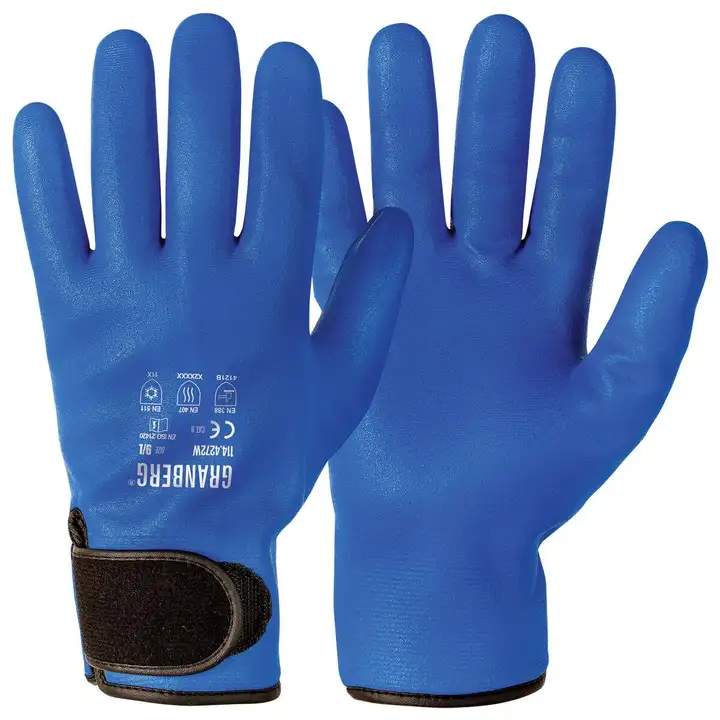
- GRANBERG 4272W: Heat & Cold Resistant Gloves
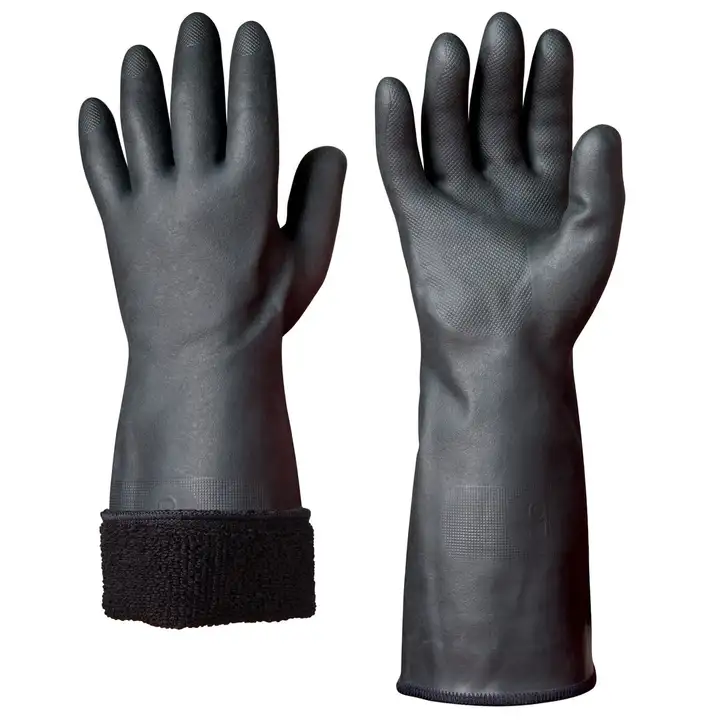
- GRANBERG 3000: Chemical, Heat & EU food contact approved (EN 1186) Gloves
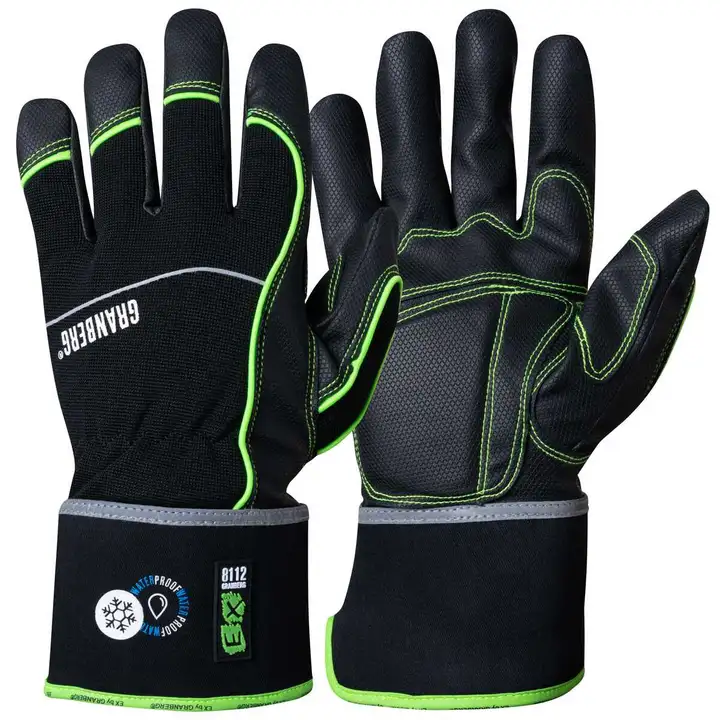
- GRANBERG EX 8112 Gloves: Precision Grip in Winter Cold
- GRANBERG 8080: Waterproof Thermal Grip Gloves
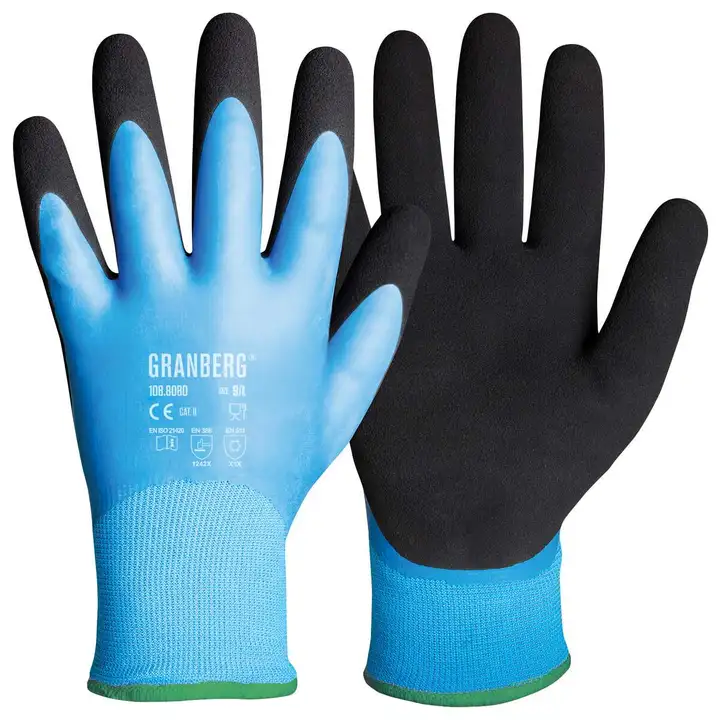
- GRANBERG 0340: Thermal Moisture-Wicking Glove Liners
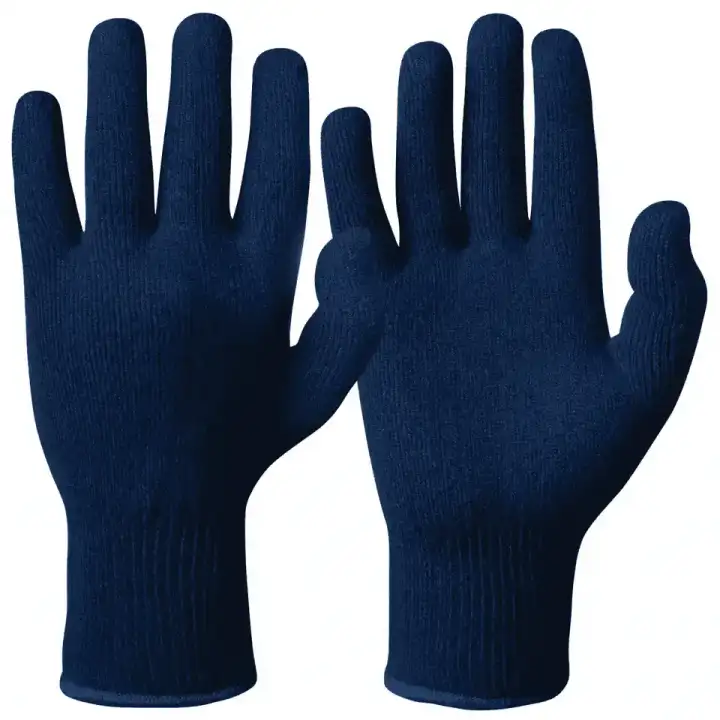
- GRANBERG 0400W: Cold Weather PVC Work Gloves
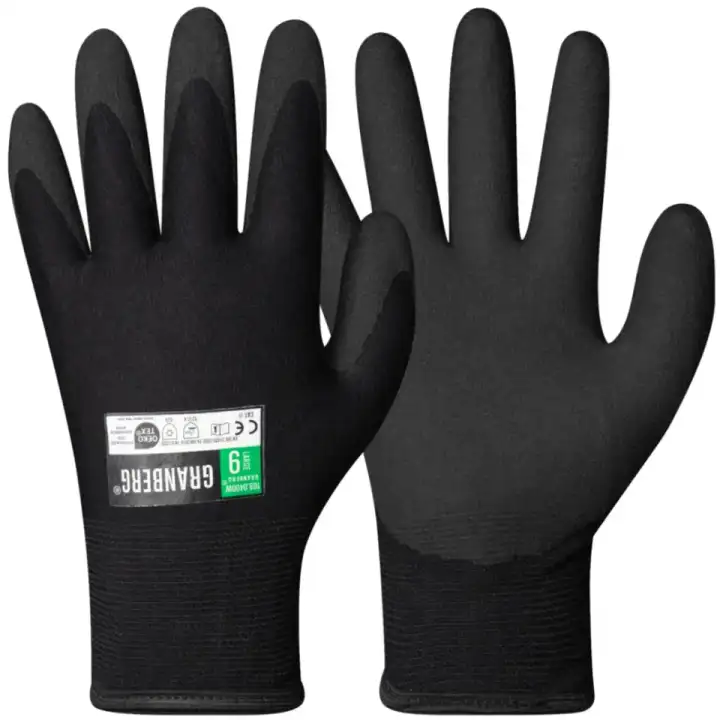
- GRANBERG 9740 Winter Gloves: Tough & Warm for Work
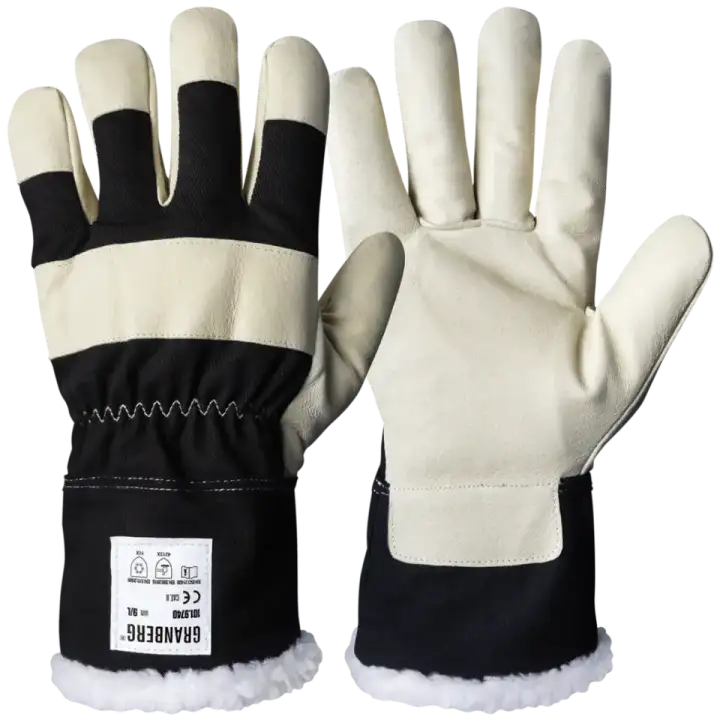
- GRANBERG 9540 Winter Work Gloves: Warm, Tough & Durable
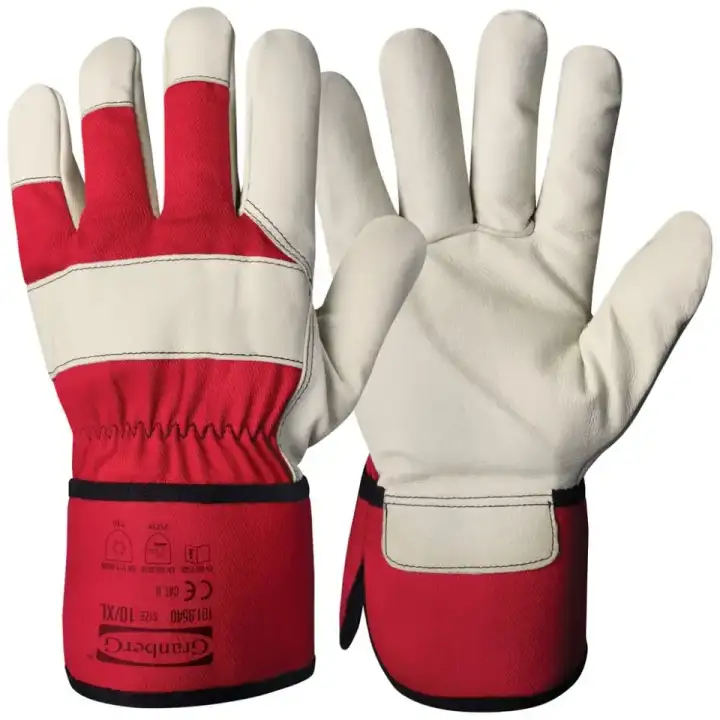
- GRANBERG EX 4292W: Precision Winter Gloves for Assembly
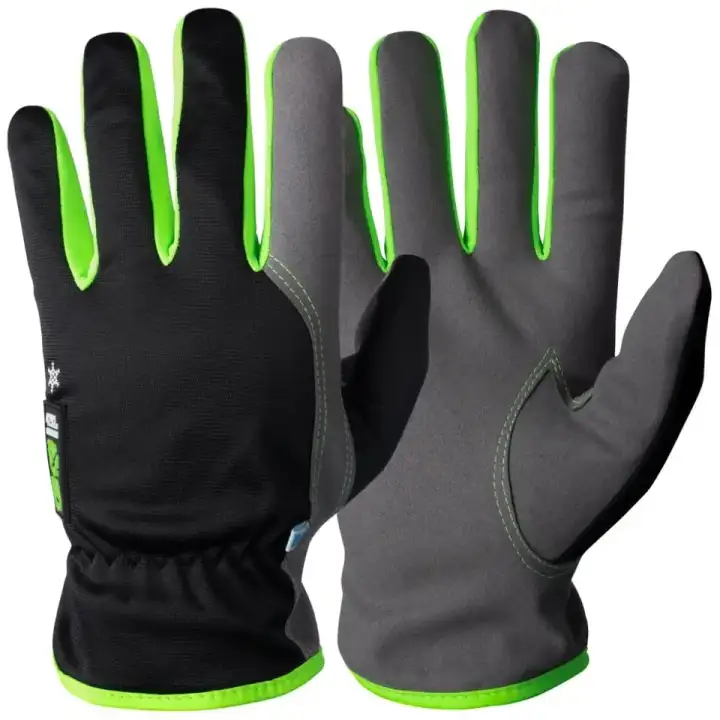
- GRANBERG EX 4297W: Waterproof Winter Assembly Gloves
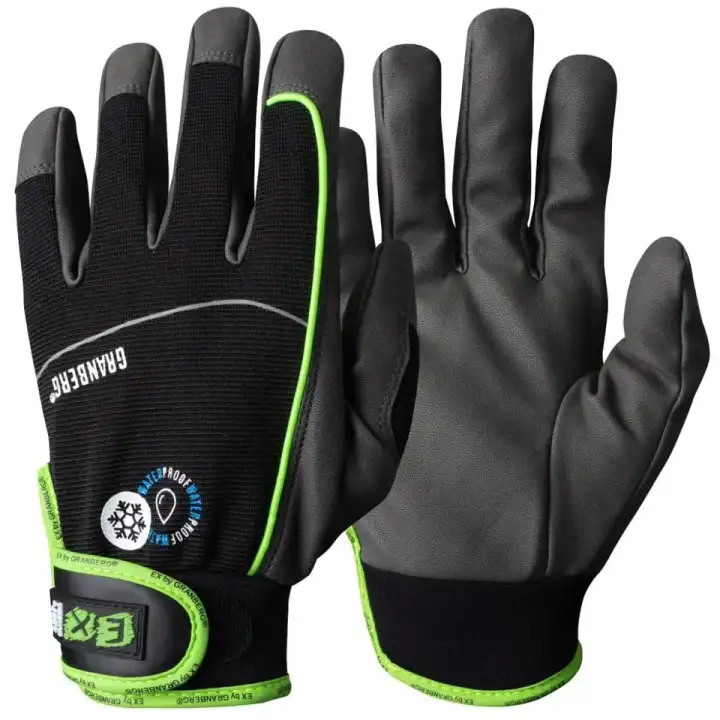
- GRANBERG 3030: Thermal Nitrile Grip Work Gloves
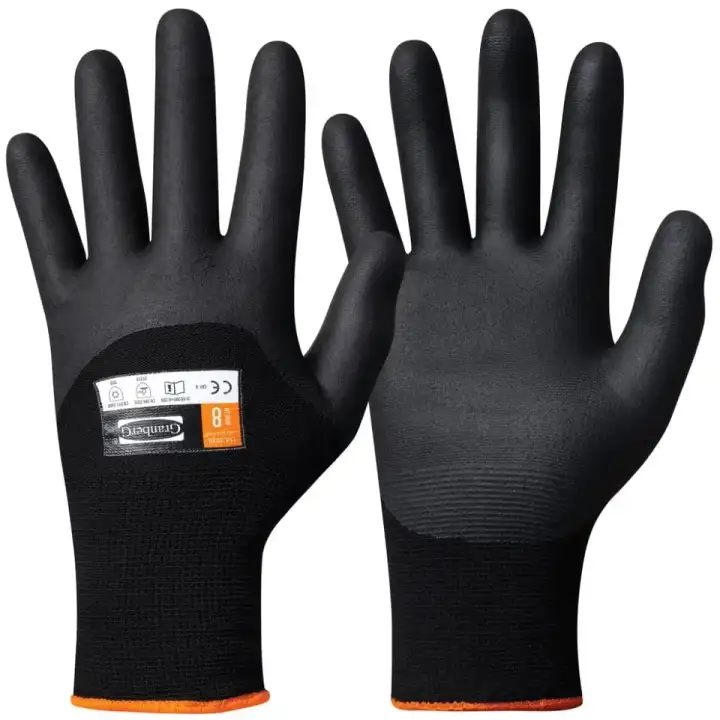
- GRANBERG 504: ANSI A5 Cut-Resistant Food Liner Gloves
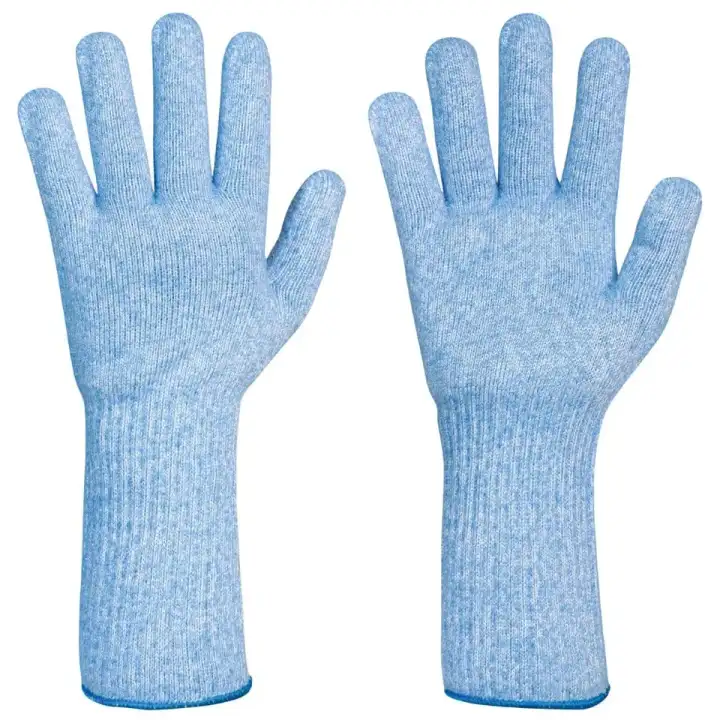
- GRANBERG 1015: Winter Gloves for Precise Cold Work
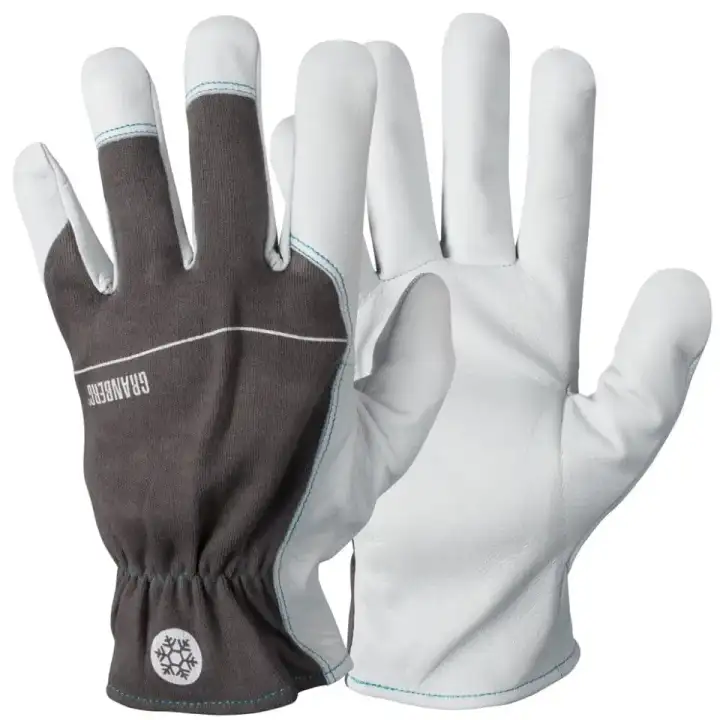
- GRANBERG 580: Thermal Cut-Resistant Work Gloves
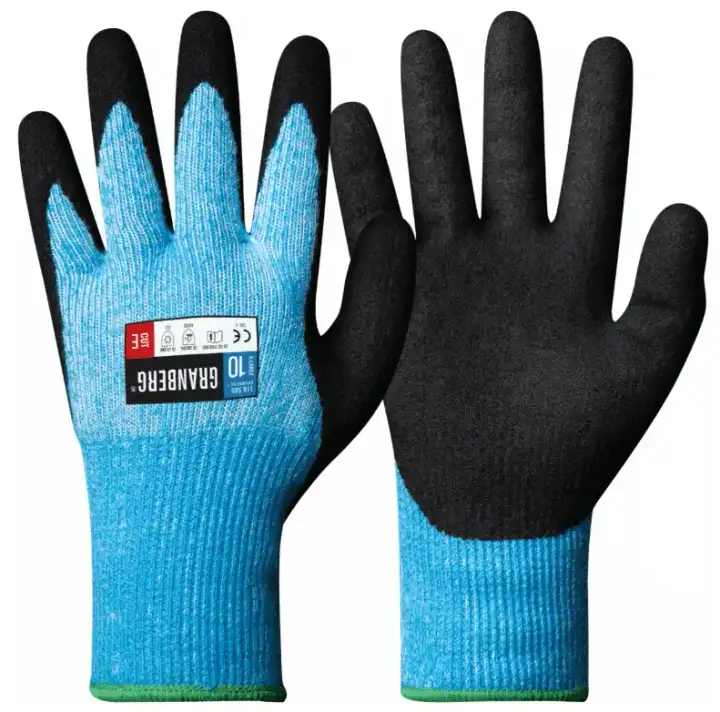
- GRANBERG 0381: EU food contact approved (EN 1186) Knitted Gloves for Cold Work
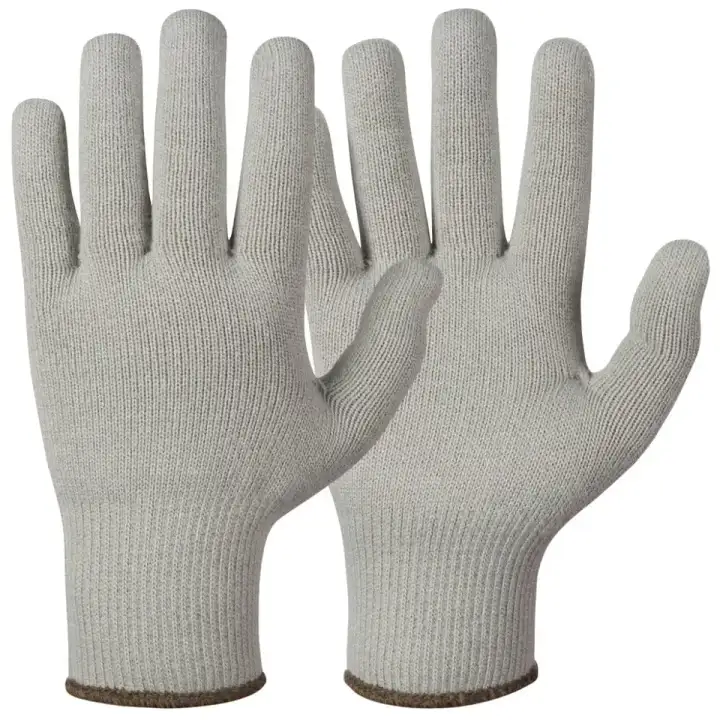
- GRANBERG 0488W: Thermal Gloves for Cold Work
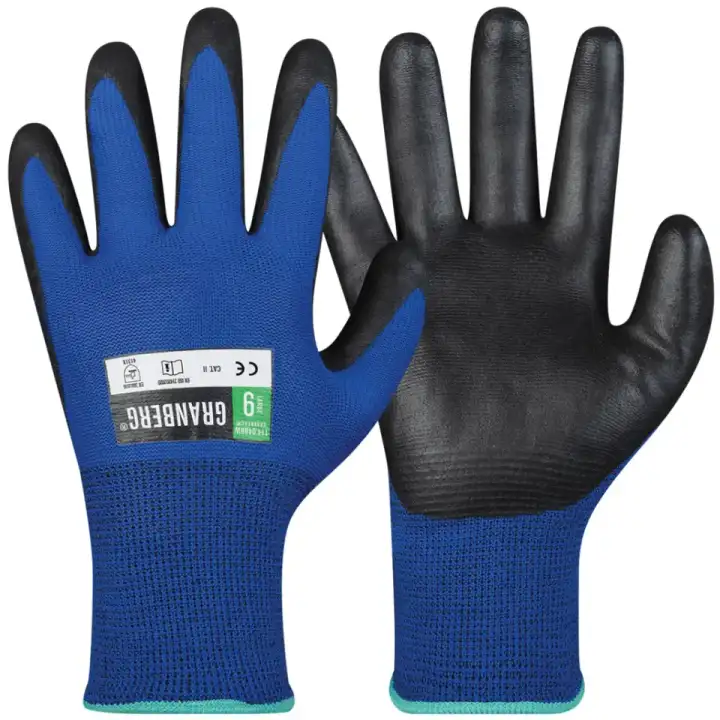
- GRANBERG 0630W: Fleece-Lined Nitrile Winter Chemical Gloves
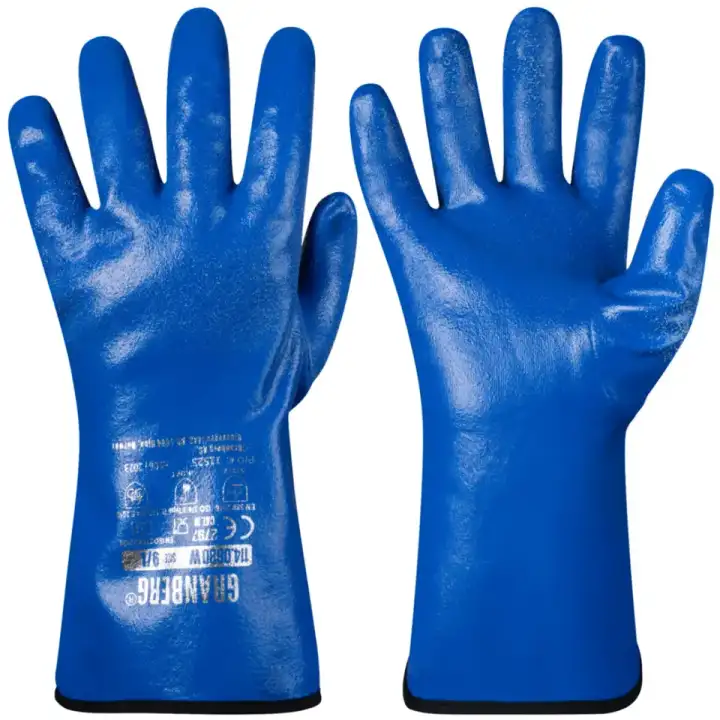
- GRANBERG EX 4202: Touchscreen Gloves for Cold Work
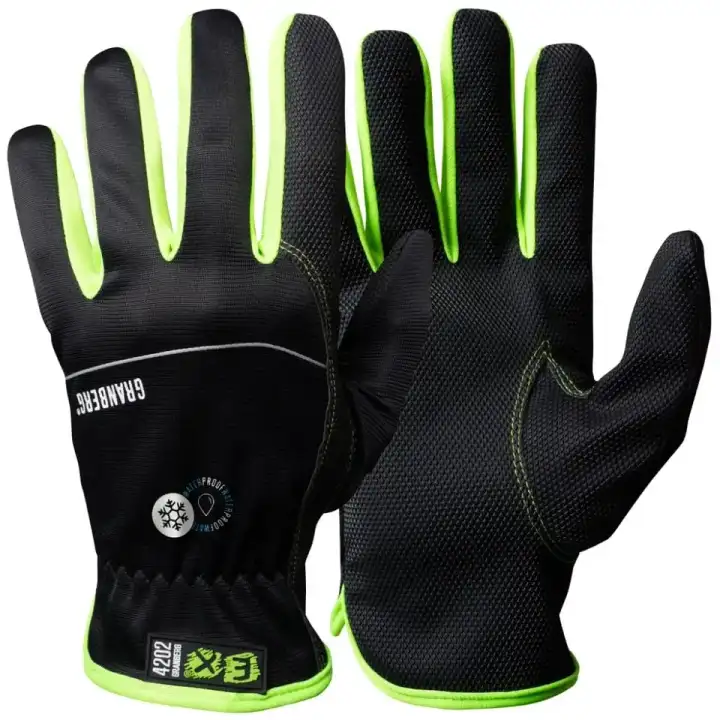
- GRANBERG EX 4997W: Winter Cut-Resistant Work Gloves
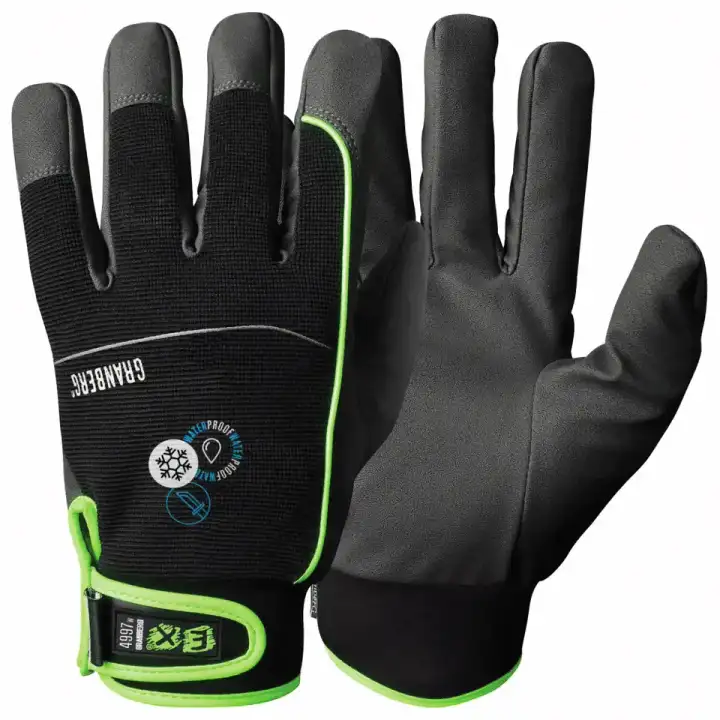
- GRANBERG 4282: Warm, Precision Winter Gloves for Assembly
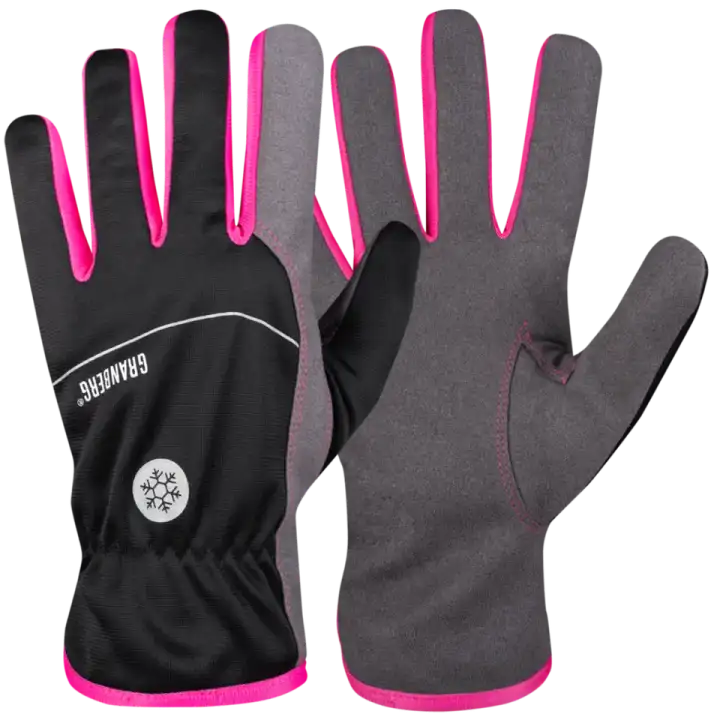
- GRANBERG EX 8110: Precision Winter Gloves for Fine Work
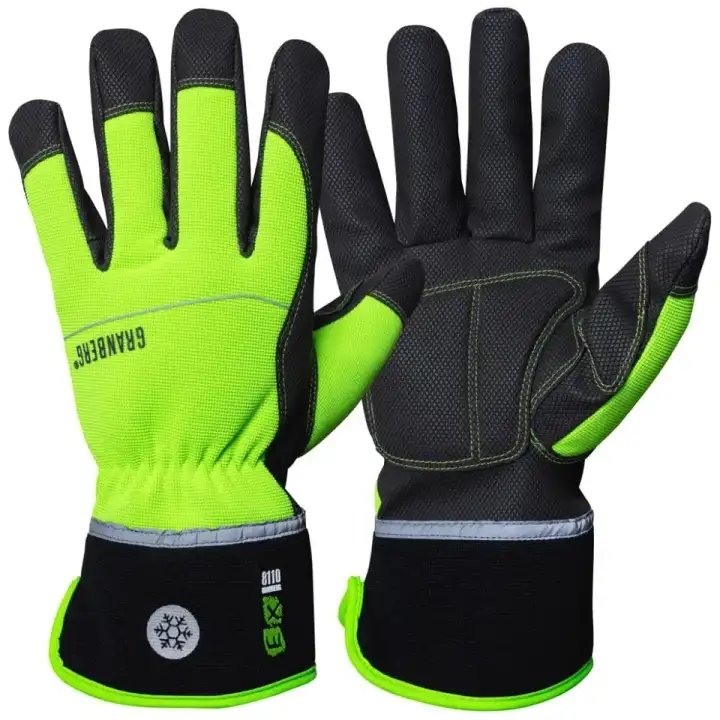
- GRANBERG 8095: Knitted Winter Gloves with Grip & Warmth
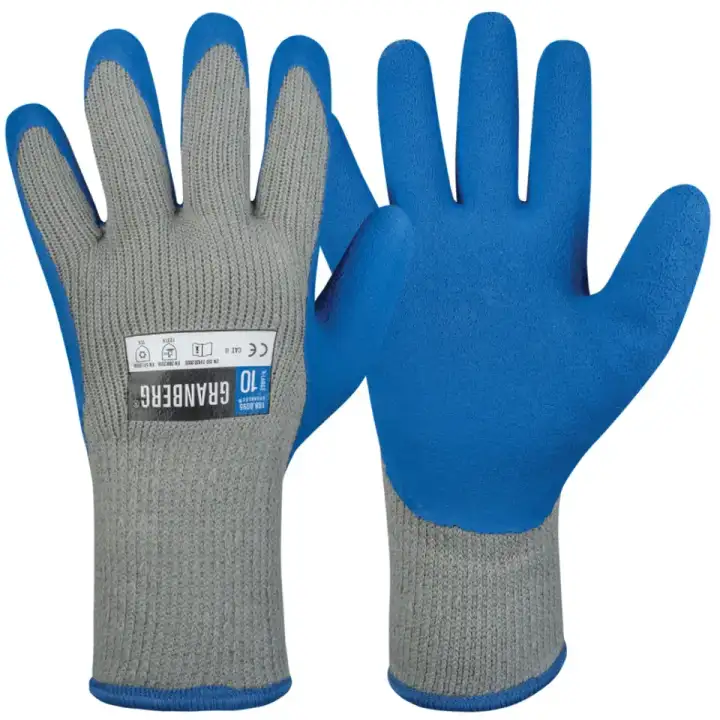
- GRANBERG EX 3270W: Winter Cut & Impact Work Gloves
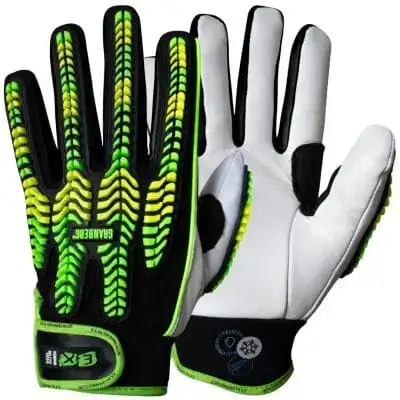
- GRANBERG EX 4294W: Warm, Precise Winter Gloves
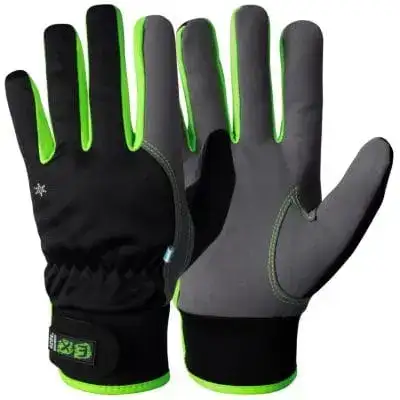
- GRANBERG 0660W: Winter-Lined 68 cm Chemical Gloves
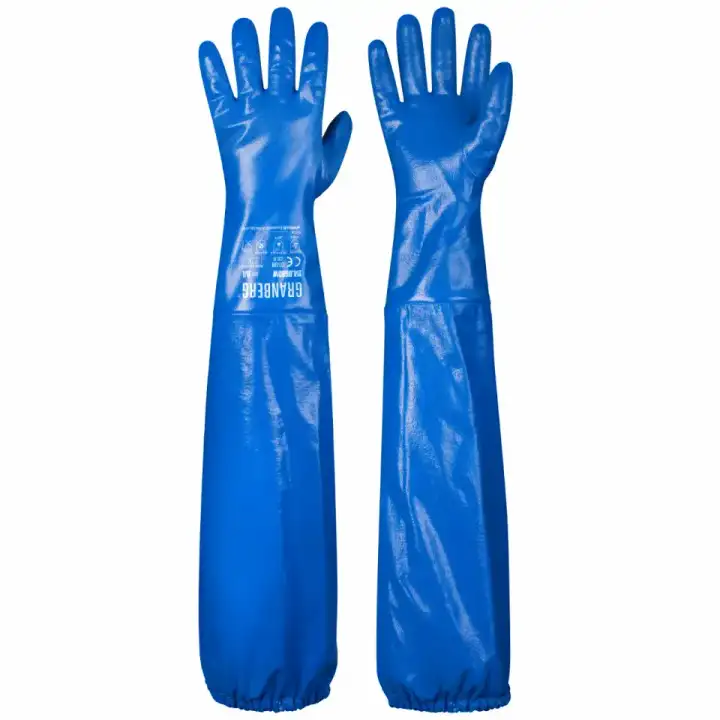
- GRANBERG 6065: Chemical & Impact Winter Gloves
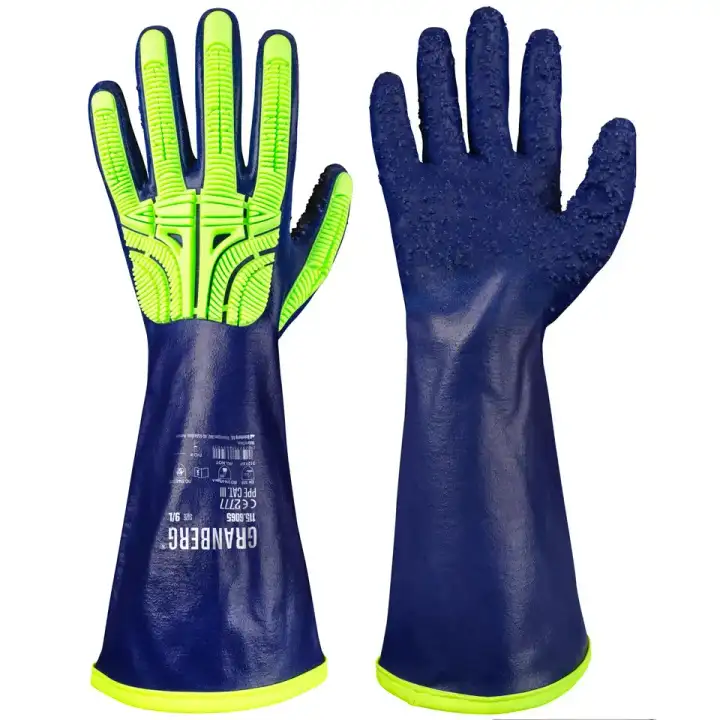
- GRANBERG 8070: Winter Waterproof Latex Work Gloves
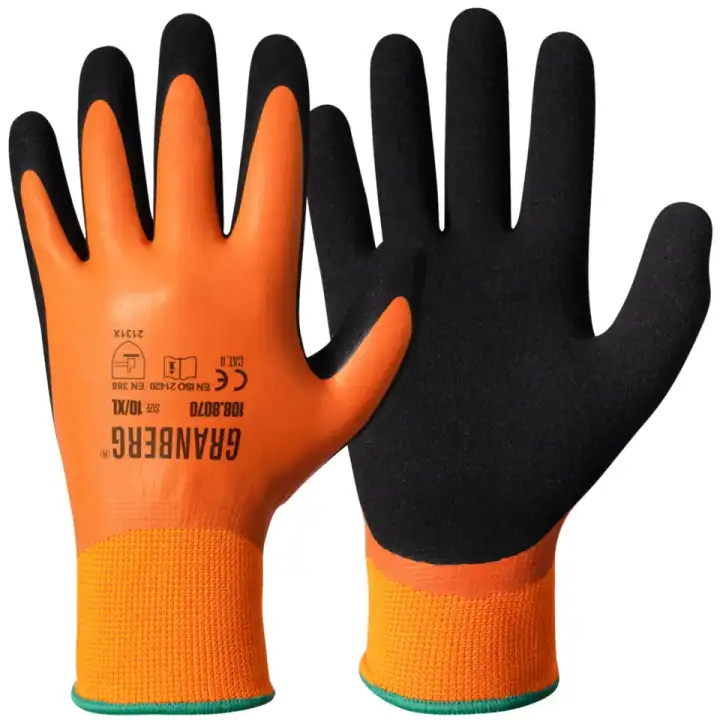
- GRANBERG EX 4999W: Waterproof Winter Cut Gloves
Frequently asked questions
What do the three EN 511 digits mean?
The first digit is convective cold, meaning resistance to cold air, scored 0 to 4. The second is contact cold, meaning resistance to heat loss when touching cold surfaces, also 0 to 4. The third is water penetration and is either 0 or 1, where 1 means no water entered the glove during the 30 minute test.
Do I need a waterproof glove for freezer work?
Usually not for the freezer itself, since a cold room is dry and the main issue is contact cold from frozen product and steel racking. Waterproofing matters where product is wet before freezing, where staff move between chilled and ambient areas, or where condensation forms on warm gloves returning to a cold room.
Why do my hands get cold in a thick glove?
Most often because the glove is too tight or the liner is damp. Insulation works by trapping still air, so compressing the liner against the hand removes most of its value and also restricts circulation. A damp liner conducts heat away rapidly. Size up slightly for winter work and dry gloves fully between shifts.
Can winter gloves also be cut resistant?
Yes. Several insulated models carry an EN 388 mechanical code alongside their EN 511 rating, which suits outdoor work involving steel edges, banding or glass. Check both codes on the individual product page, since a high EN 511 score says nothing about cut performance.
Buying in volume
Where a model is sold from the cart, its price is on the product page. Quote-only models do not list a price. Our team can quote mixed orders across the range for sites in Canada and the United States. Request a bulk quote or check the glove sizing guide before ordering.
Safety gloves for Industrial · Safety gloves for Food & Fisheries
Cut Resistant gloves · Impact Protection gloves · Chemical Resistant gloves · Welding & Heat gloves · Assembly & ESD gloves · Tactical & Rescue gloves · Single Use gloves