Assembly & ESD Gloves
Lightweight assembly and handling gloves with polyurethane or nitrile foam coatings on 13, 15 and 18 gauge liners, built for dexterity, touchscreen use and all day comfort on production lines.
How to choose an assembly glove
Assembly gloves are bought on feel and worn for whole shifts, so comfort is a safety property rather than a luxury. The first decision is the coating. Polyurethane is applied very thin, keeps the fingertip profile close to bare skin and gives clean, precise grip on dry components, which is why it dominates electronics and small parts work. Nitrile foam is slightly thicker and its open cell structure draws in light oil, so it holds grip on machined and lubricated parts where polyurethane starts to slip. Sandy nitrile goes further again for oily or greasy handling, at the cost of some fingertip sensitivity. Palm only coating breathes better and suits warm plants, while a three quarter or full dip protects the back of the hand from contact with oily surfaces.
Gauge, dexterity and touchscreens
Gauge is the knit density of the liner, and it drives how the glove feels. A 13 gauge liner is the general purpose choice, robust and moderately dexterous. A 15 gauge liner is noticeably thinner and gives better feel for fasteners and connectors. An 18 gauge liner is finer again and is the closest to bare hands, which suits inspection, electronics and small component assembly, but it wears through faster on abrasive work. Pick the finest gauge that survives the shift rather than the finest gauge available.
Touchscreen compatible fingertips are now a practical requirement rather than a feature. Line workers scan, confirm and record on tablets and handhelds constantly, and a glove that forces removal for every scan will be removed and left off. Where screens are part of the task, specify a conductive fingertip model from the start.
Skin safety, and when a light glove is wrong
A glove worn eight hours a day sits against the skin longer than most consumer garments. OEKO-TEX certification on the liner confirms testing for harmful substances, which is worth having where workers report irritation, where shifts are long, or where hands are already sensitized. Breathability matters for the same reason, since a hand that stays damp inside a fully coated glove is more prone to dermatitis.
Be clear about the limits. These gloves are for handling, not for hazards. A thin polyurethane coating gives no meaningful protection against blade contact unless the liner itself is cut rated, offers no barrier against chemicals beyond incidental splash, softens near heat and provides nothing at all against impact. If the task involves sharp sheet metal, solvents, hot components or pinch points, the right answer is in the cut resistant, chemical, welding or impact ranges, and specifying a light assembly glove there is a common and expensive mistake.
Assembly & ESD Gloves range
- GRANBERG 0995 Gloves: Cut Resistant Assembly Gloves
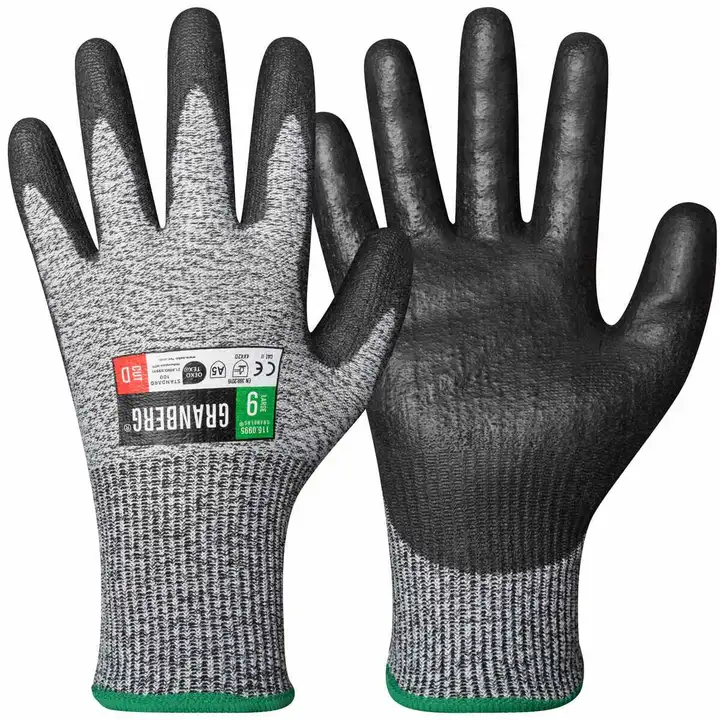
- GRANBERG 4272W: Heat & Cold Resistant Gloves
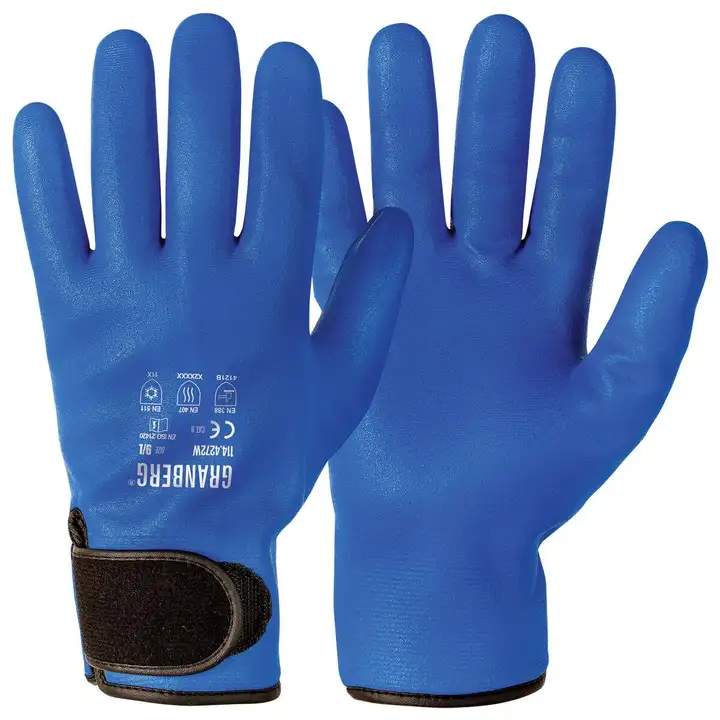
- GRANBERG 0850 ESD Gloves: Anti-Static & Safe Grip
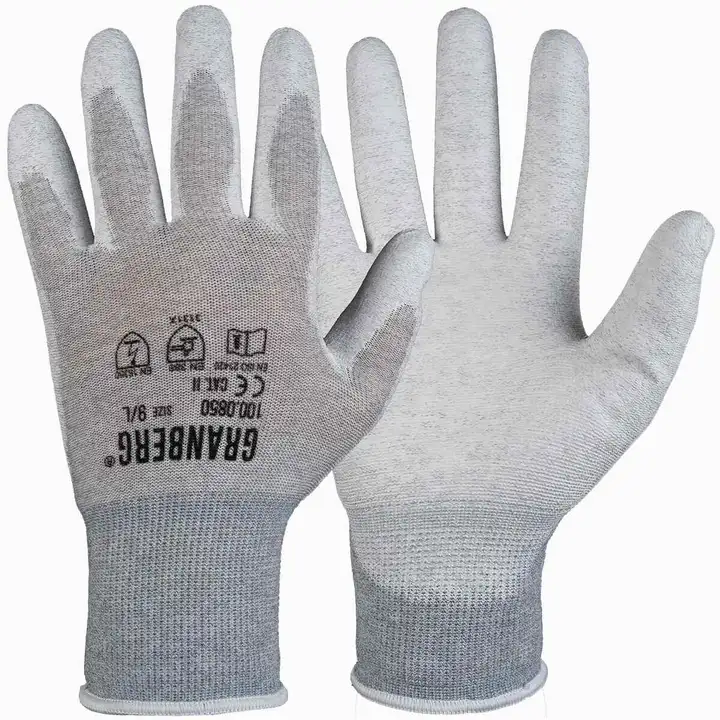
- GRANBERG 0400W: Cold Weather PVC Work Gloves
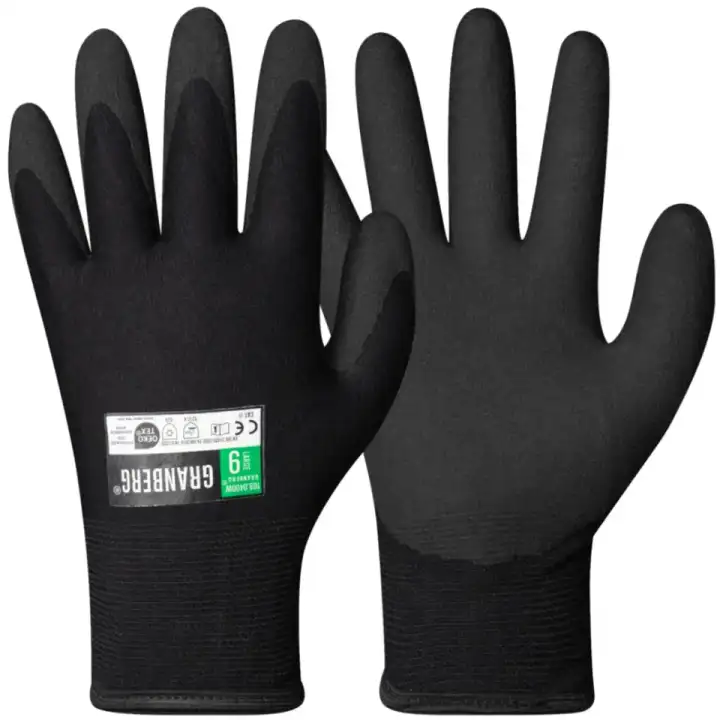
- GRANBERG 0480 Touchscreen PU Work Gloves
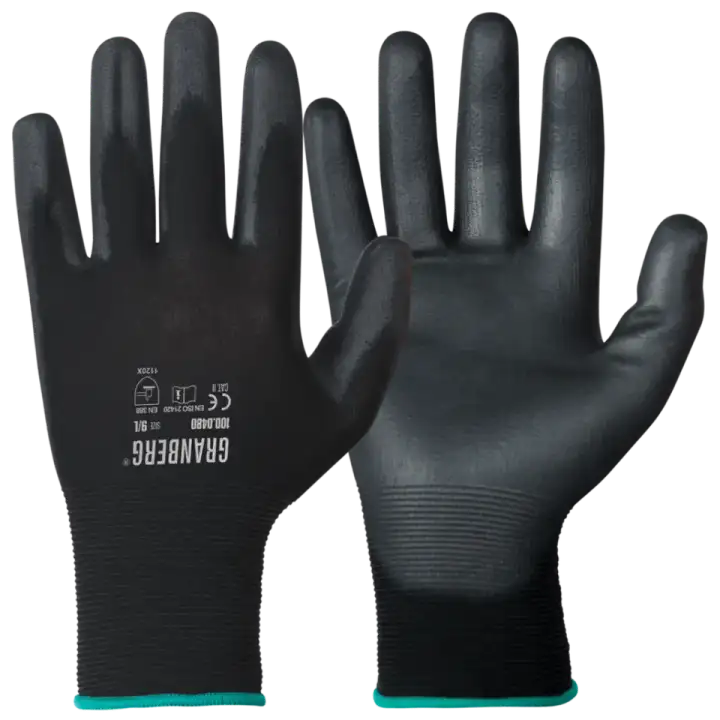
- GRANBERG 0744: Touchscreen Nitrile Foam Assembly Gloves
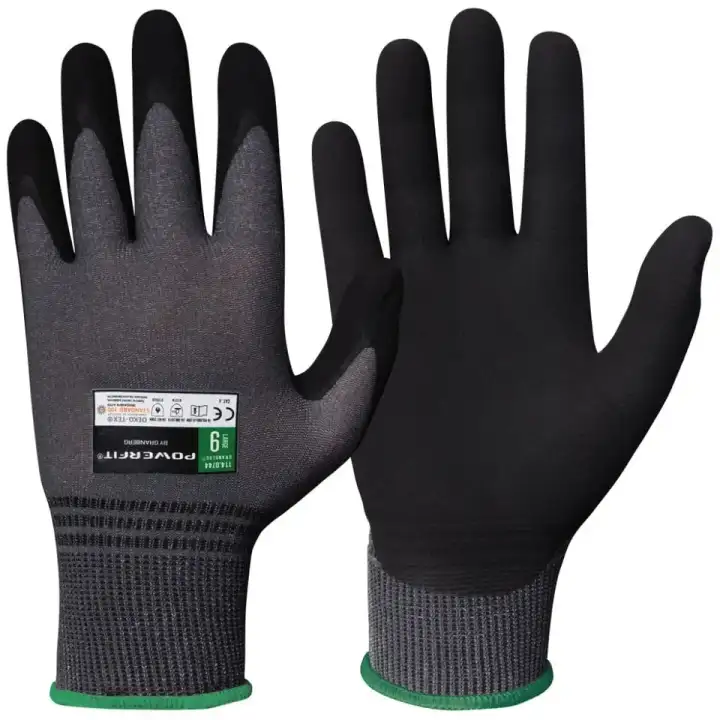
- GRANBERG EX 4292W: Precision Winter Gloves for Assembly
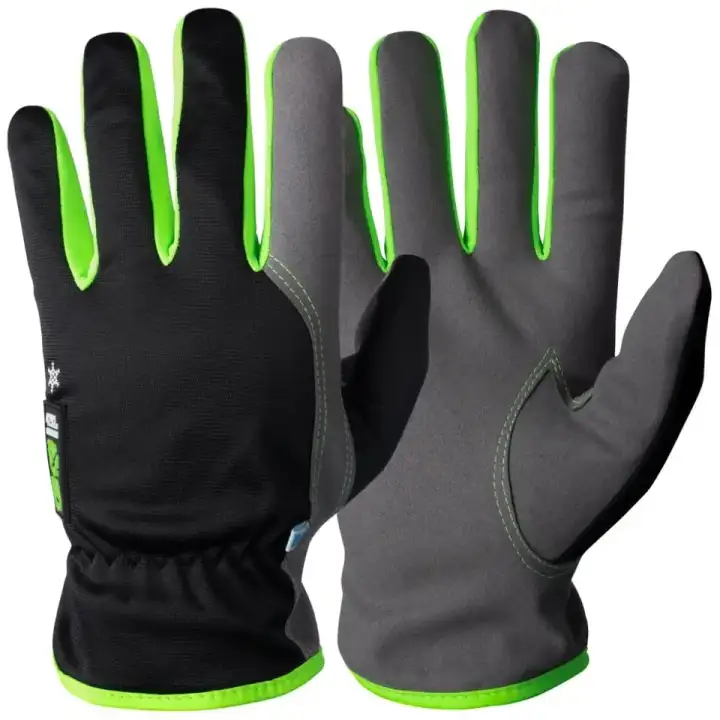
- GRANBERG EX 4297W: Waterproof Winter Assembly Gloves
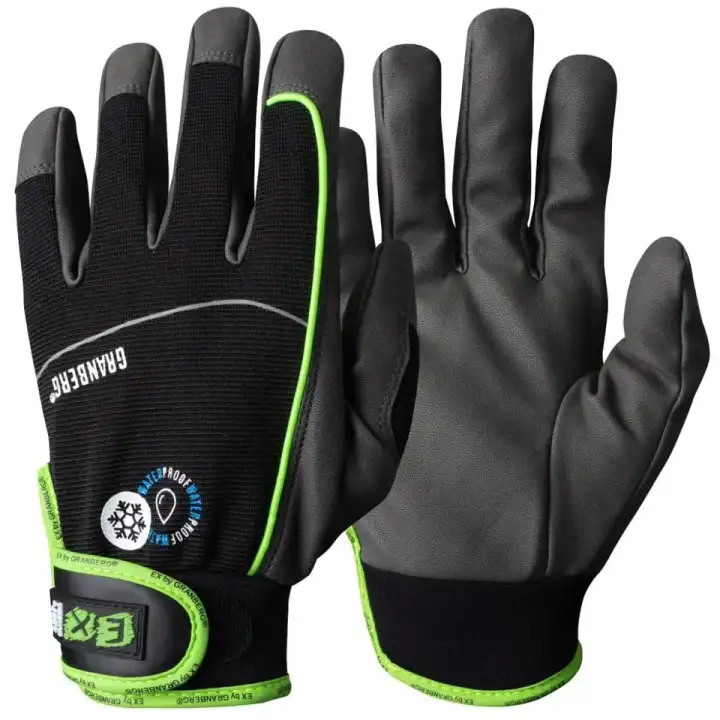
- GRANBERG 3030: Thermal Nitrile Grip Work Gloves
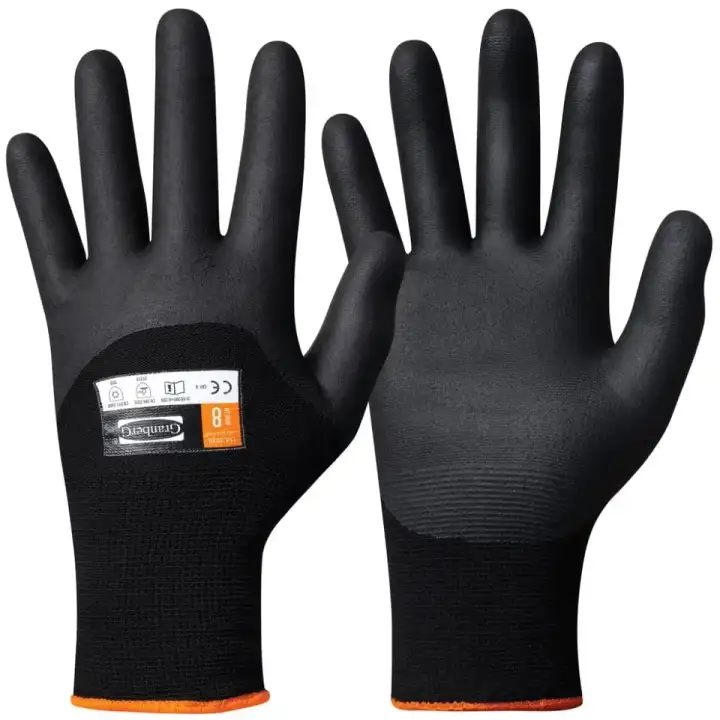
- GRANBERG 1015: Winter Gloves for Precise Cold Work
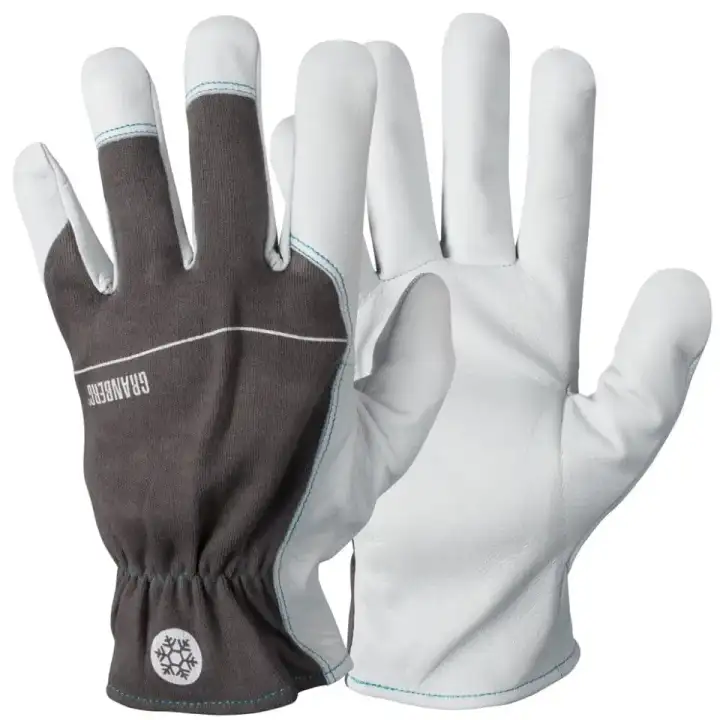
- GRANBERG 0488W: Thermal Gloves for Cold Work
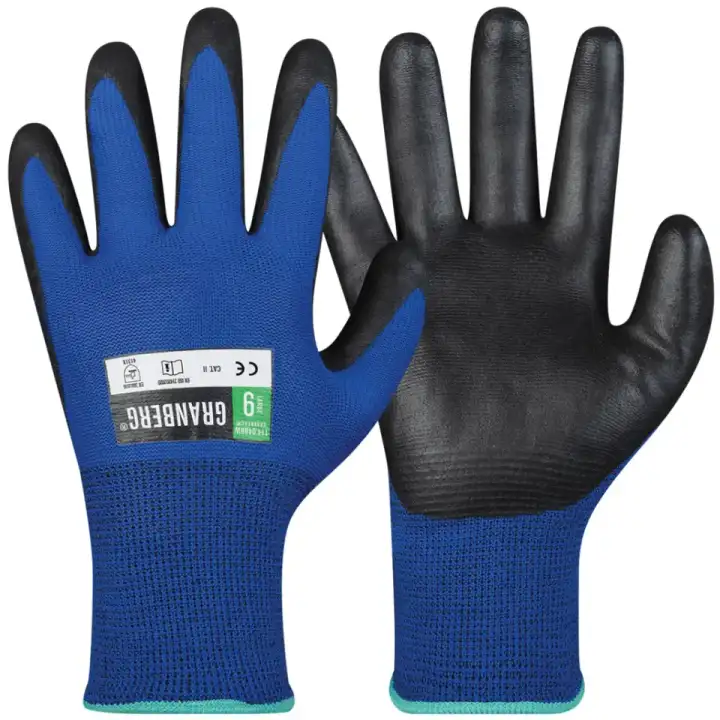
- GRANBERG 0490: Waterproof Nitrile Grip Gloves
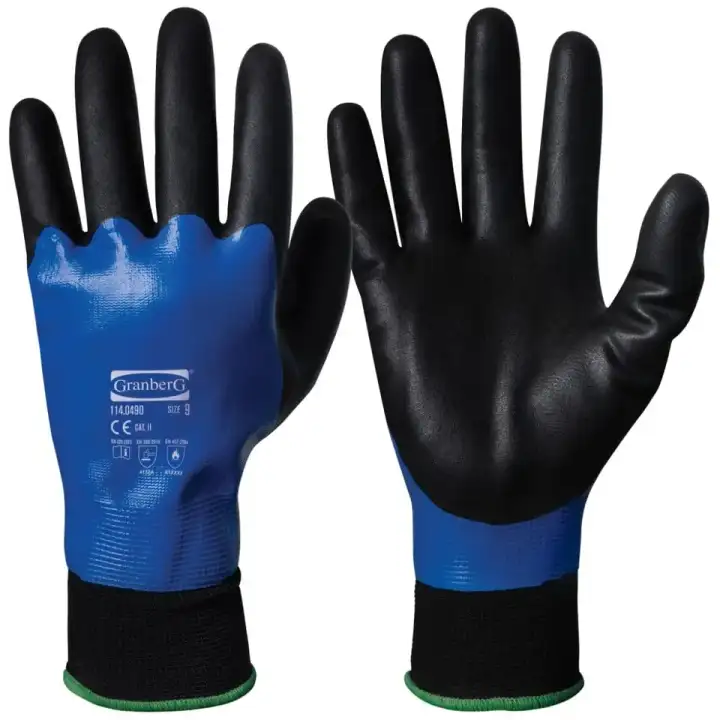
- GRANBERG EX 4202: Touchscreen Gloves for Cold Work
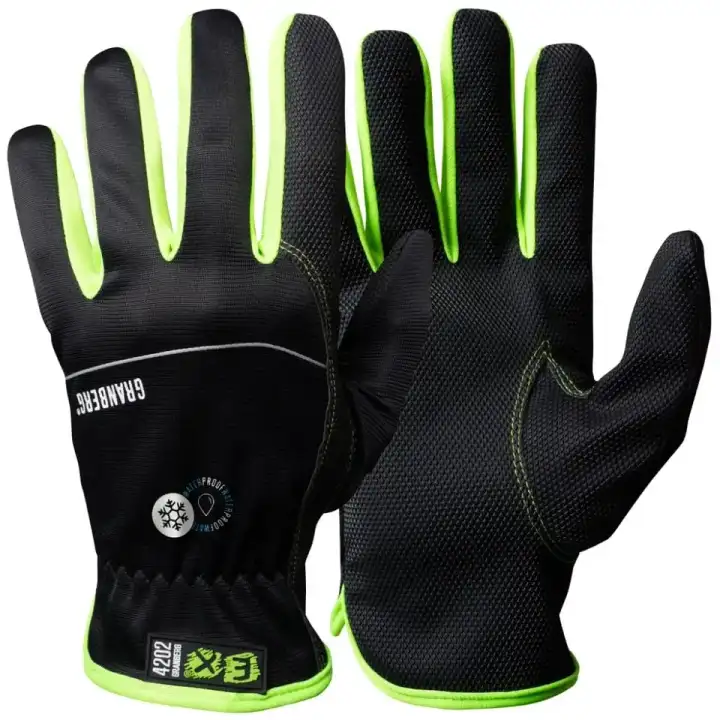
- GRANBERG 4282: Warm, Precision Winter Gloves for Assembly
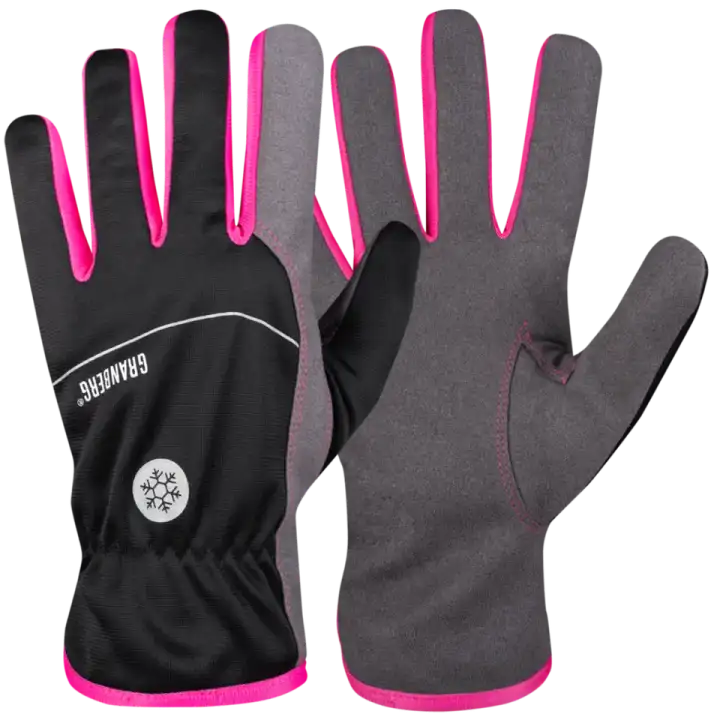
- GRANBERG 0811: Nitrile-Coated Assembly Gloves, Heat Rated
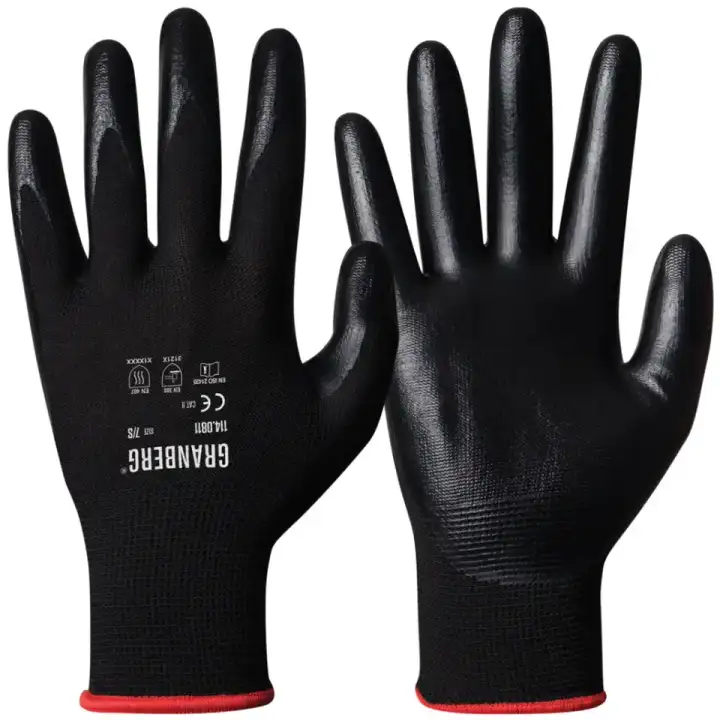
- GRANBERG 547: Cut Level D Sandy Nitrile Grip Gloves
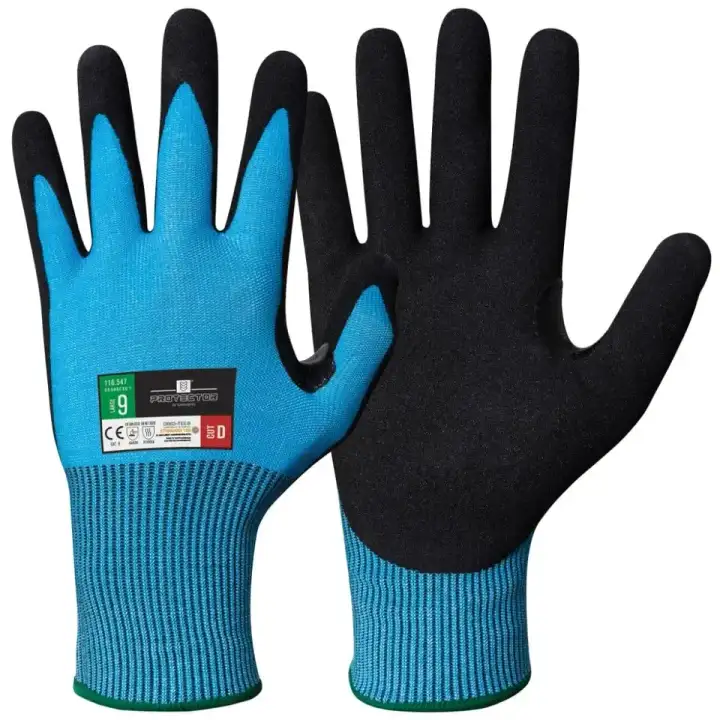
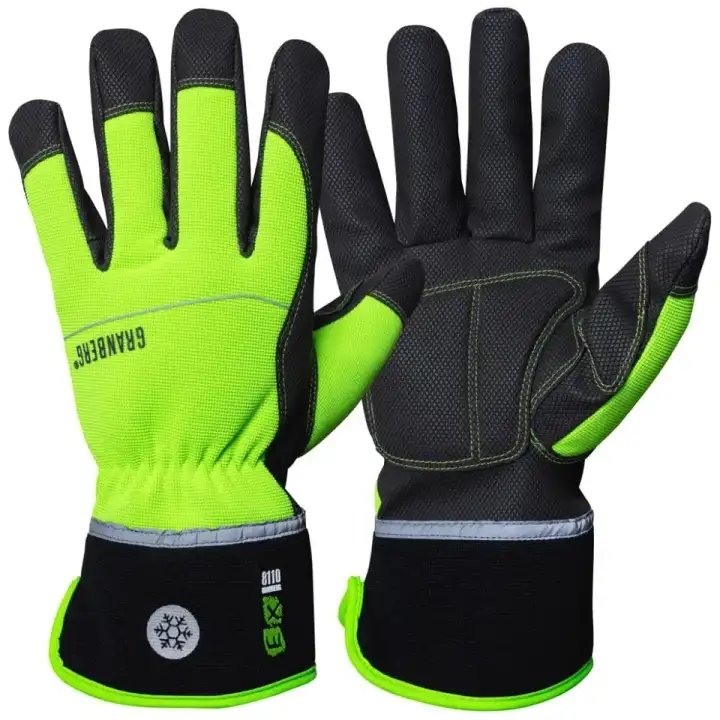
- GRANBERG EX 8110: Precision Winter Gloves for Fine Work
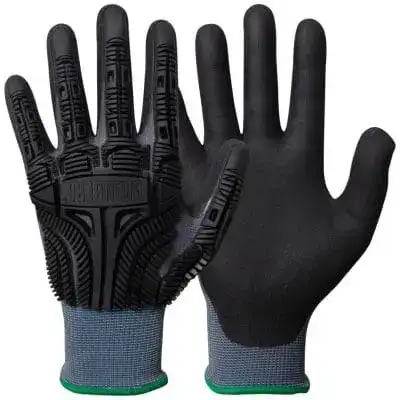
- GRANBERG 5502: Impact Gloves with Oil Grip
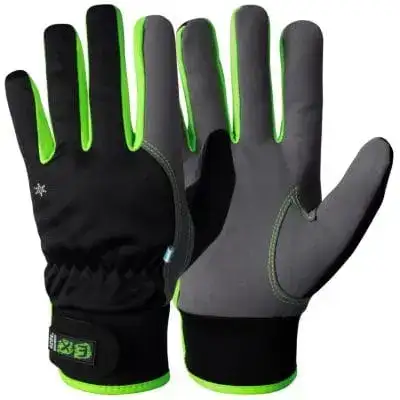
- GRANBERG EX 4294W: Warm, Precise Winter Gloves
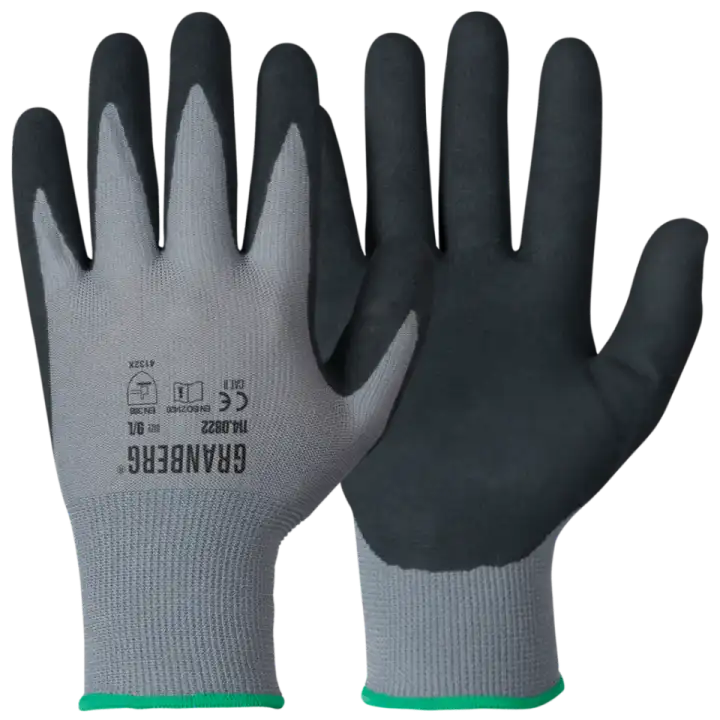
- GRANBERG 0822: Durable, Dexterous Gloves for Assembly
- GRANBERG 0766: Touchscreen Nitrile Work Gloves
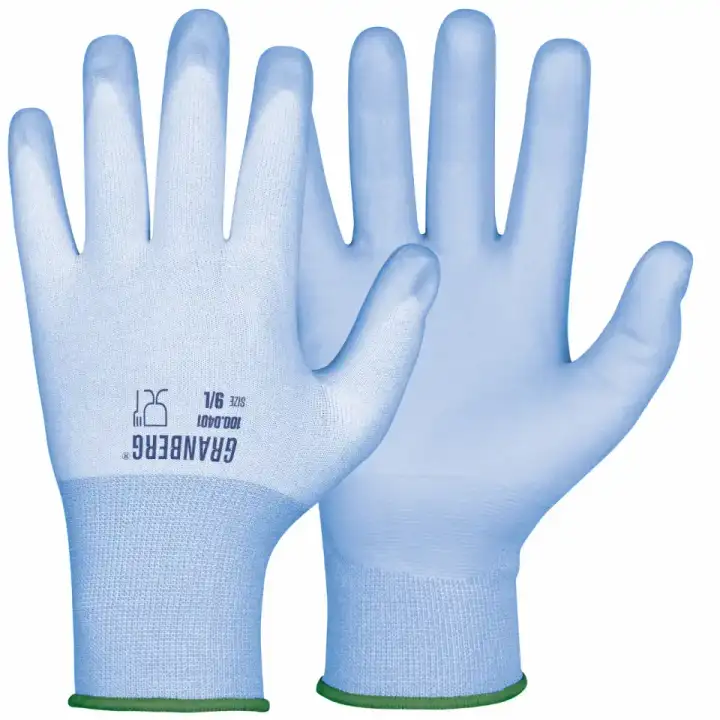
- GRANBERG 0401: EU food contact approved (EN 1186) PU/Nitrile Assembly Gloves
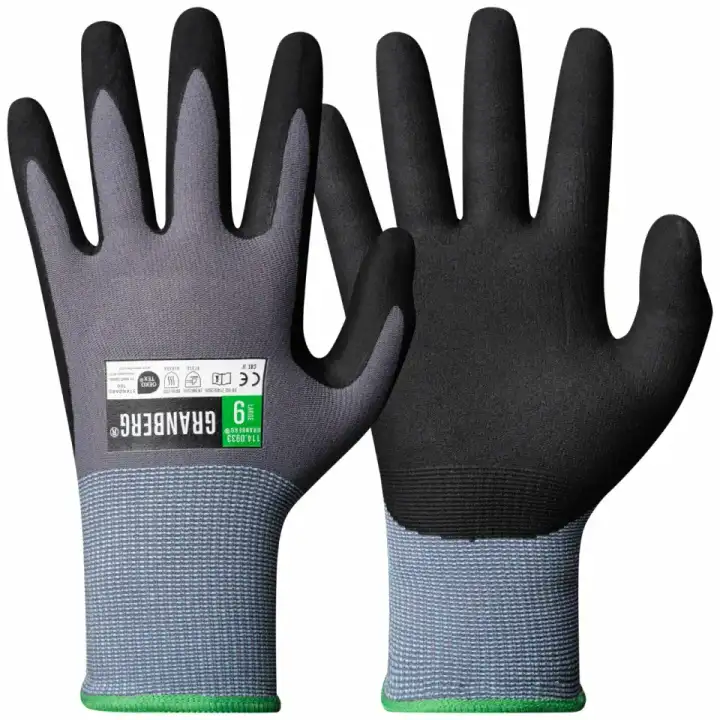
- GRANBERG 0933: High-Abrasion Nitrile Assembly Gloves
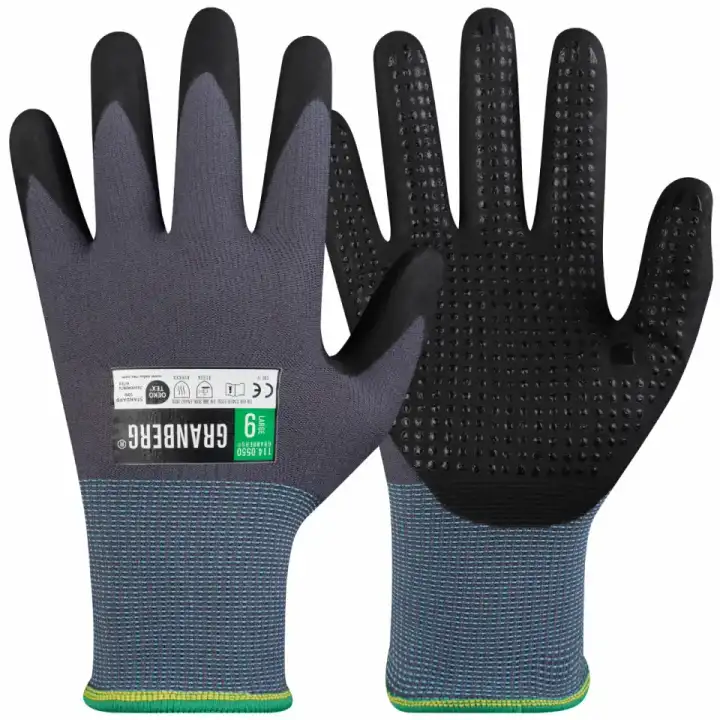
- GRANBERG 0550: Microdot Grip Assembly Gloves, Touchscreen
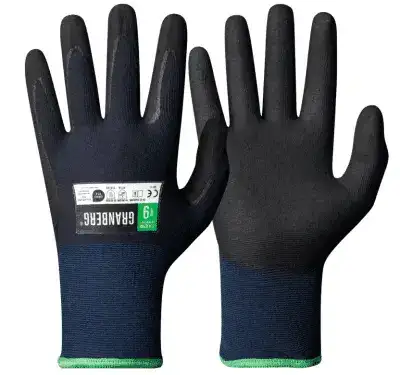
- GRANBERG 0433: Ultra-Thin PU Precision Assembly Gloves
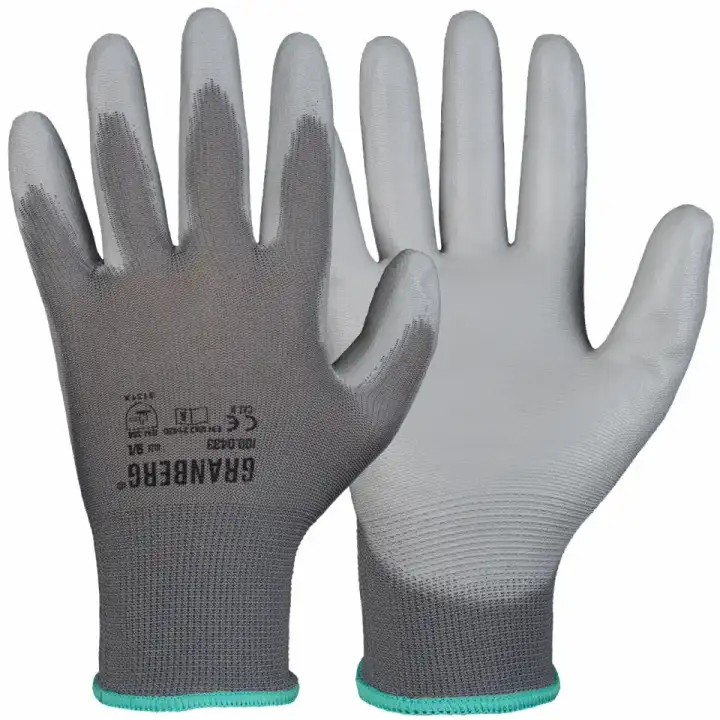
- GRANBERG 4279: Heat & Oil Resistant Assembly Gloves
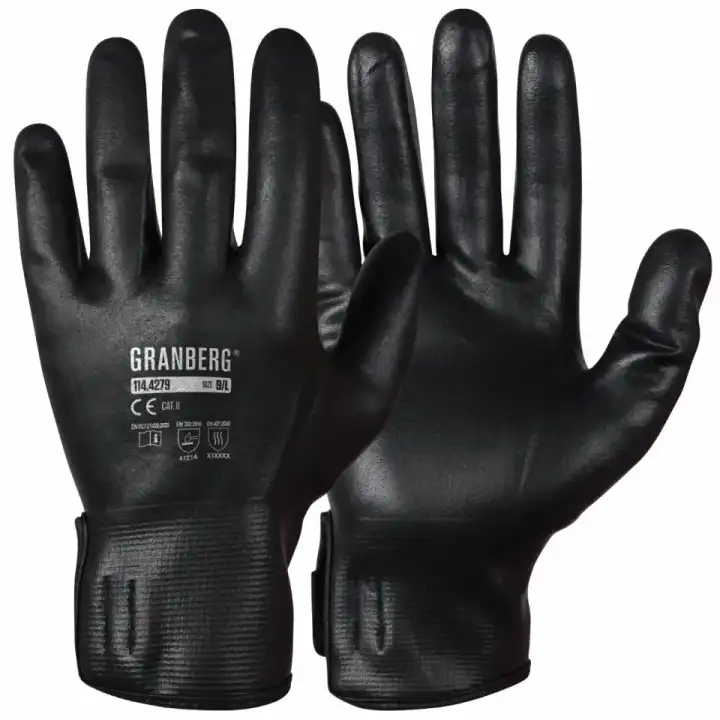
- GRANBERG 0400: PVC-Coated Assembly Gloves, Heat Resistant
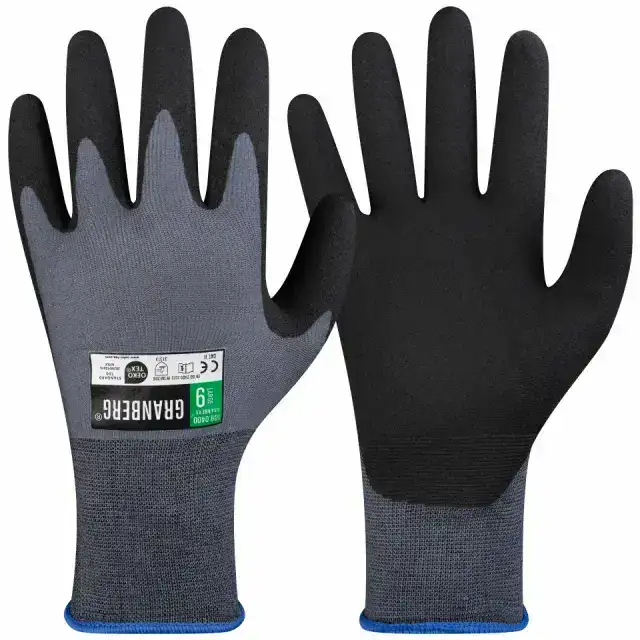
- GRANBERG 4295A: Unlined Pigskin Leather Gloves
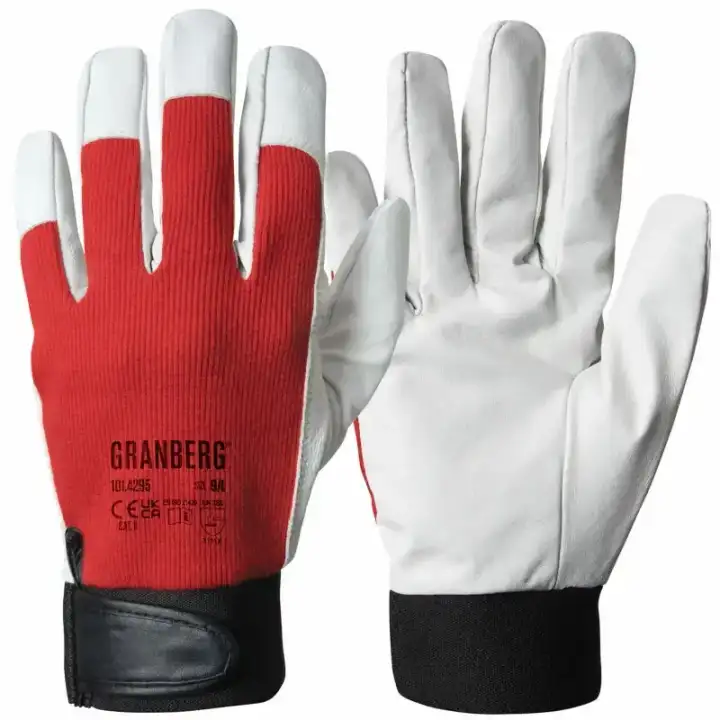
- GRANBERG 592: Touchscreen Cut-Resistant Gloves
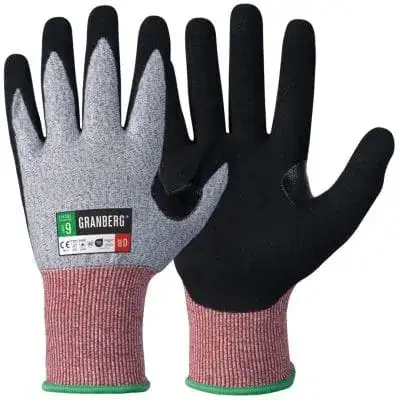
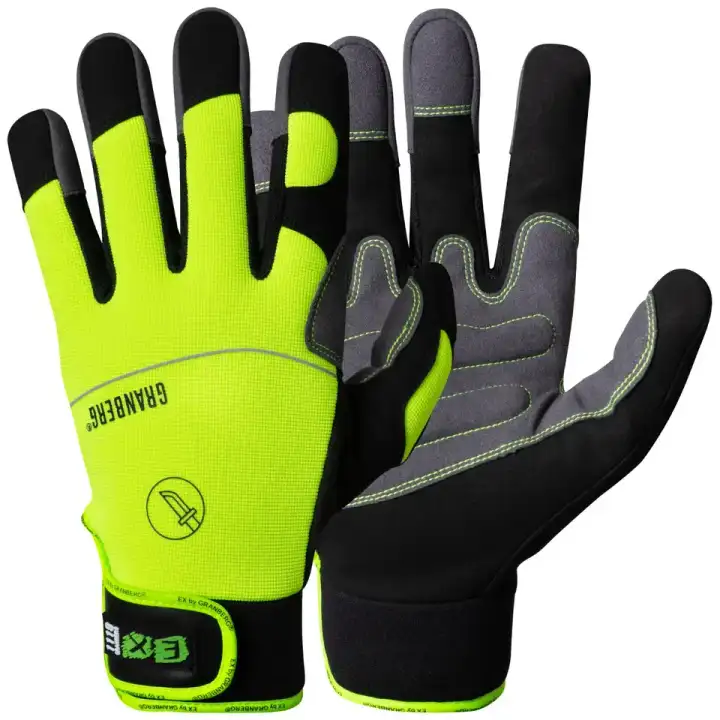
- GRANBERG EX 1119: Cut D Rigger Work Gloves
Frequently asked questions
What is the difference between polyurethane and nitrile foam coating?
Polyurethane is thinner and gives the best fingertip feel on dry components, which suits electronics and small parts. Nitrile foam is slightly thicker and its cell structure absorbs light oil, so it grips better on machined and lubricated parts. Sandy nitrile grips hardest on oily work but gives up some sensitivity.
What does the gauge number mean on a knitted glove?
Gauge describes how fine the liner knit is. A 13 gauge liner is a durable general purpose choice, 15 gauge is thinner with better feel, and 18 gauge is the finest and closest to bare hands. Finer liners give more dexterity but wear through faster on abrasive tasks.
Are assembly gloves cut resistant?
Not unless the liner is specifically cut rated. The coating provides grip and abrasion resistance, not cut protection. Check the EN 388 code and the ANSI cut level on the individual product, and move to the cut resistant range if blade or sharp edge contact is part of the job.
Why does OEKO-TEX certification matter on a work glove?
It means the material has been tested for harmful substances, which is relevant because assembly gloves sit against the skin for entire shifts. It is particularly worth specifying where workers have reported irritation or where hands are already sensitized.
Buying in volume
Where a model is sold from the cart, its price is on the product page. Quote-only models do not list a price. Our team can quote mixed orders across the range for sites in Canada and the United States. Request a bulk quote or check the glove sizing guide before ordering.
Safety gloves for Industrial · Safety gloves for Sport & Leisure
Cut Resistant gloves · Impact Protection gloves · Chemical Resistant gloves · Winter & Cold gloves · Welding & Heat gloves · Tactical & Rescue gloves · Single Use gloves