Safety Gloves for Sport & Leisure
Gardening, landscaping and general outdoor gloves that balance grip, dexterity and durability for groundskeeping, allotment work and everyday practical tasks.
Hazards in this environment
Thorns
Pruning, hedge work and rose and bramble clearance present point hazards rather than edges, and they arrive from unpredictable angles while the hand is already committed to a grip. Thin unlined gloves are pierced easily and a thorn left in the palm becomes an infection risk. The property that addresses this is a coated palm with a reasonable EN 388 puncture score, along with enough coverage on the back of the hand.
Abrasion
Soil, gravel, paving, bark, timber and rope wear a glove palm steadily, and grit trapped in a coating accelerates it. The wear shows up as loss of grip before it shows up as a hole. The property that addresses this is the EN 388 abrasion score together with a coating that suits soil and timber rather than one optimized for oily metal.
Grip loss
Outdoor work is wet more often than not, and wet timber, plastic pots, hose fittings and tool handles all become slippery. A hand that has to squeeze harder to hold a tool fatigues faster and loses control sooner. The property that addresses this is a nitrile or latex foam coating that keeps friction in damp conditions, chosen with breathability in mind so the hand does not overheat in summer work.
What to specify
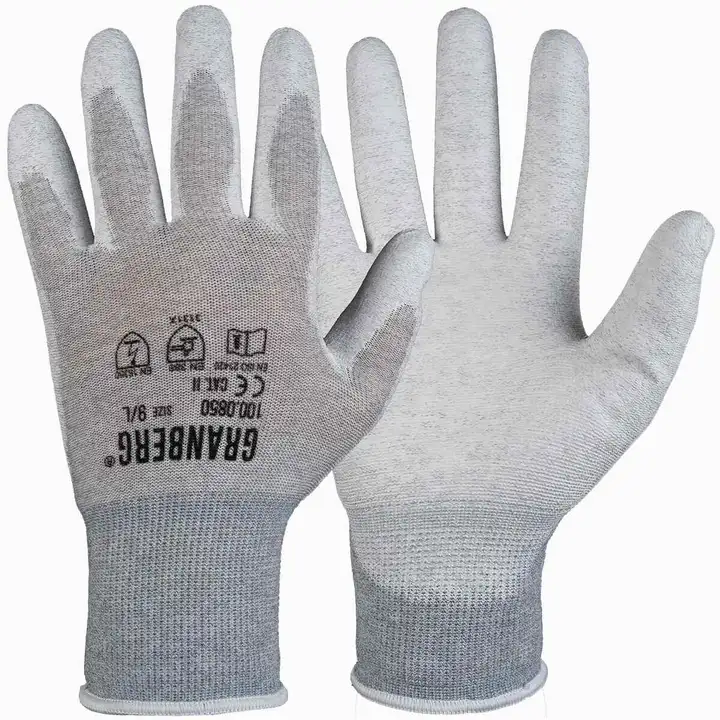
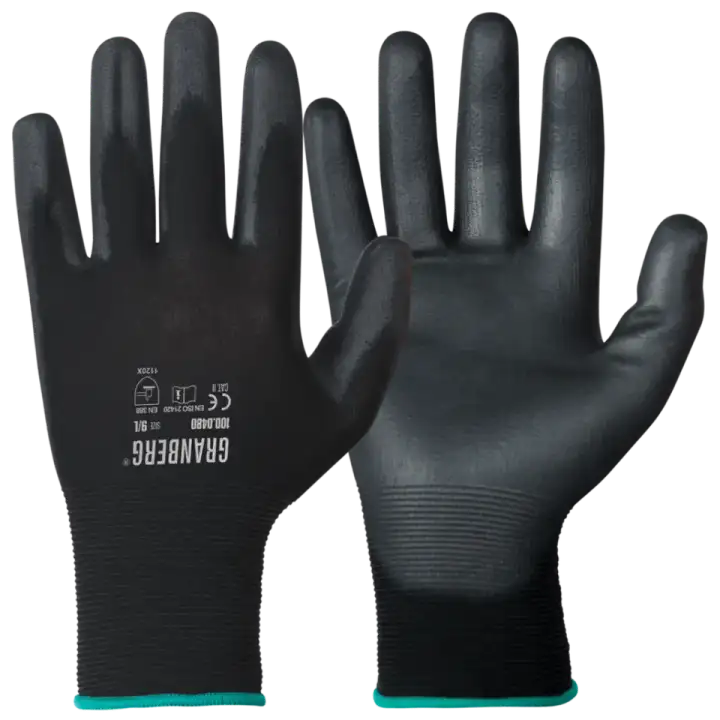
For general gardening and grounds work, a lightweight coated glove is usually the right starting point. A foam nitrile or latex palm on a knitted liner gives grip on wet timber and tools, breathes well enough for long sessions in warm weather, and costs little enough that a worn pair is simply replaced. A palm coating with an uncoated back keeps the hand cooler than a fully dipped glove.
Step up where the task justifies it. Hedge cutting, bramble clearance and handling salvaged material bring real cut and puncture exposure, and a cut rated liner is worth specifying there. Winter grounds work, snow clearing and early morning starts call for insulation and a waterproof outer instead, since a wet liner in cold weather removes most of the insulation value.
Fit decides whether these gloves are used at all. A loose glove on a pruning task reduces control and makes small work frustrating, while a tight one restricts the hand over a long session. Measure against the sizing guide, and consider keeping two specifications available, one light pair for planting and detail work and one tougher pair for clearance and heavy handling.
Cut Resistant gloves · Winter & Cold gloves · Assembly & ESD gloves
Recommended for Sport & Leisure
Frequently asked questions
What is the best glove for general gardening?
A lightweight knitted liner with a foam nitrile or latex palm coating suits most gardening work. It grips wet tools and timber, breathes well for long sessions, and gives enough dexterity for planting and pruning. Move up to a cut rated liner for bramble clearance or hedge work.
Will a coated glove stop thorns?
It reduces the risk considerably compared with a fabric glove, but no light glove is thorn proof. Look at the EN 388 puncture score and choose a model with coverage on the back of the hand as well as the palm, since thorns often reach the hand from the side during pruning.
Do I need a different glove for winter outdoor work?
Usually yes. A summer weight coated glove offers little insulation and soaks through quickly. For cold and wet grounds work, choose an insulated glove with a waterproof outer, since a damp liner loses most of its insulating value and makes the hand colder than a thinner dry glove would.
Specifying for a site
Send us the tasks and hazards and our team will put together a specification and carton pricing for delivery in Canada and the United States. Request a bulk quote, check the glove sizing guide, or browse the full glove catalogue.
Safety gloves for Industrial · Safety gloves for Food & Fisheries · Safety gloves for Healthcare · Safety gloves for Tactical & Security