Cut Resistant Gloves
Cut resistant gloves rated to ANSI/ISEA 105 cut levels A1 through A9 and to the EN 388 mechanical code, for blade contact, sheet metal, glass handling and sharp edge work across Canada and the United States.
How to choose a cut resistant glove
Start with the ANSI level, because that is what North American specifications are written against. ANSI/ISEA 105 grades cut resistance from A1 to A9 using the TDM-100 test, which measures the load in grams needed to cut through the material over 20 mm of blade travel. A1 begins at 200 grams, A2 at 500, A3 at 1000, A4 at 1500, A5 at 2200, A6 at 3000, A7 at 4000, A8 at 5000 and A9 at 6000 grams. Higher is not automatically better. A heavier liner costs dexterity, and a worker who removes a glove to complete a fiddly task is unprotected at exactly the wrong moment. Choose the lowest level that covers the sharpest edge the job actually presents.
One point worth knowing before you specify: ANSI/ISEA 105 is a voluntary consensus standard in the United States and Canada, so a glove sold here does not have to carry a level at all. EN 388 testing is mandatory before a glove can be sold as protective equipment in Europe, which is why a Granberg glove usually shows both. Read the EN code as the fuller picture.
Reading the EN 388 code position by position
EN 388:2016+A1:2018 prints up to six characters under the anvil pictogram, and each position is a separate test. Position one is abrasion, scored 1 to 4. Position two is the coup test for blade cut, scored 1 to 5. Position three is tear strength, 1 to 4. Position four is puncture resistance, 1 to 4. Position five is the TDM cut test, reported as a letter from A to F. Position six is an optional P for impact protection tested to the EN 13594 method.
The fifth character does the most work. Modern cut resistant yarns such as high performance polyethylene contain hard particles that blunt the circular blade used in the coup test, which makes that result unreliable for exactly the materials people buy for cut protection. When the blade dulls during the test, the coup position is reported as X and the TDM letter becomes the governing figure. An X in position two is not a gap in the certification. It is the standard telling you to read the letter instead.
Liner, coating and grip
Cut resistance comes from the liner. The gloves in this range use high performance polyethylene blends, Typhoon fibre, para-aramid and steel or glass fibre reinforcement, in gauges from a heavy 10 gauge through fine 15 and 18 gauge knits. A finer gauge feels closer to bare hands and suits inspection, small parts and touchscreen use. A coarser gauge carries more protective mass and suits plate handling and demolition.
The coating decides grip and how the glove behaves when wet. Polyurethane is thin and precise and works well dry. Foam nitrile absorbs light oil and holds grip on machined parts. Sandy or micro foam nitrile bites hardest on oily and greasy steel. Full nitrile or latex dipping adds liquid resistance at the cost of breathability. Match the coating to the contaminant on the part, then confirm the size against the sizing guide, because a loose cut glove snags and a tight one fatigues the hand.
Cut Resistant Gloves range
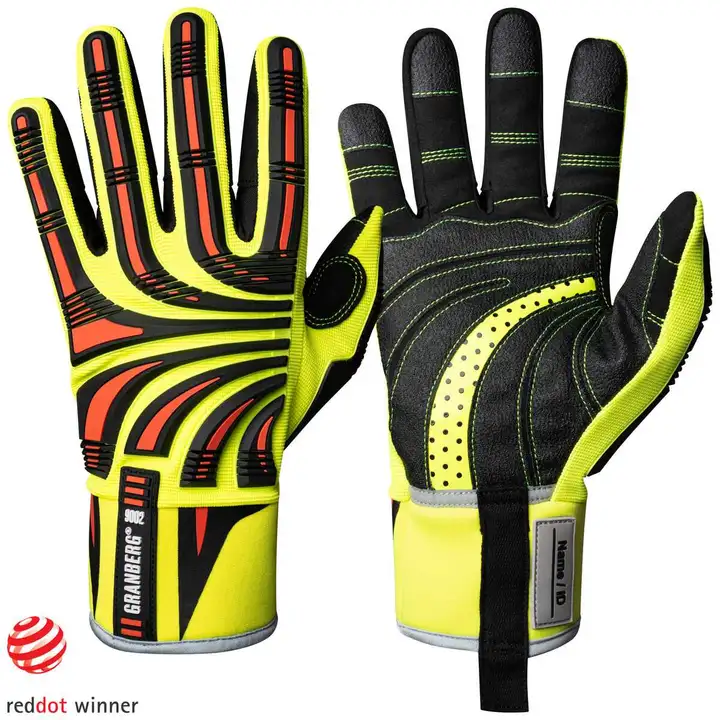
- GRANBERG 9002: Extreme Cut & Impact Work Gloves
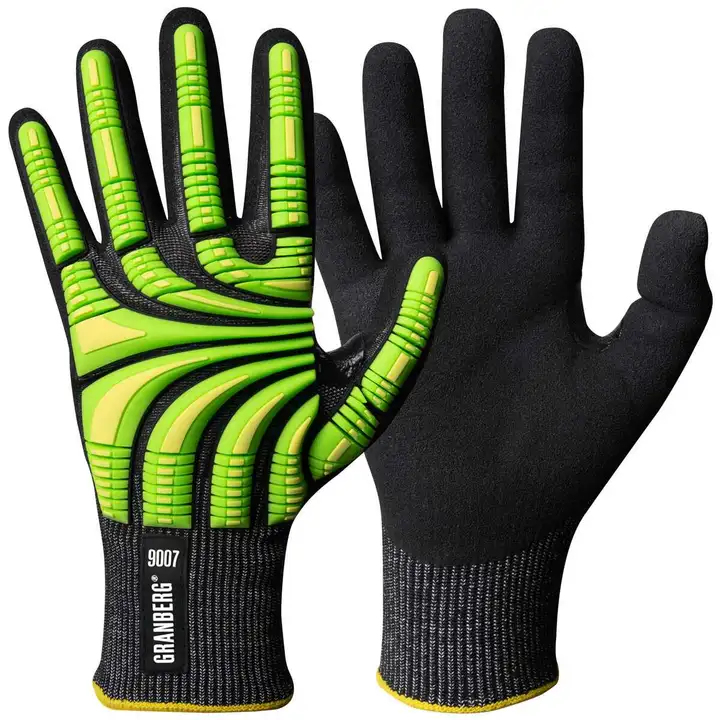
- GRANBERG 9007 Gloves: Cut & Impact Protection Gear
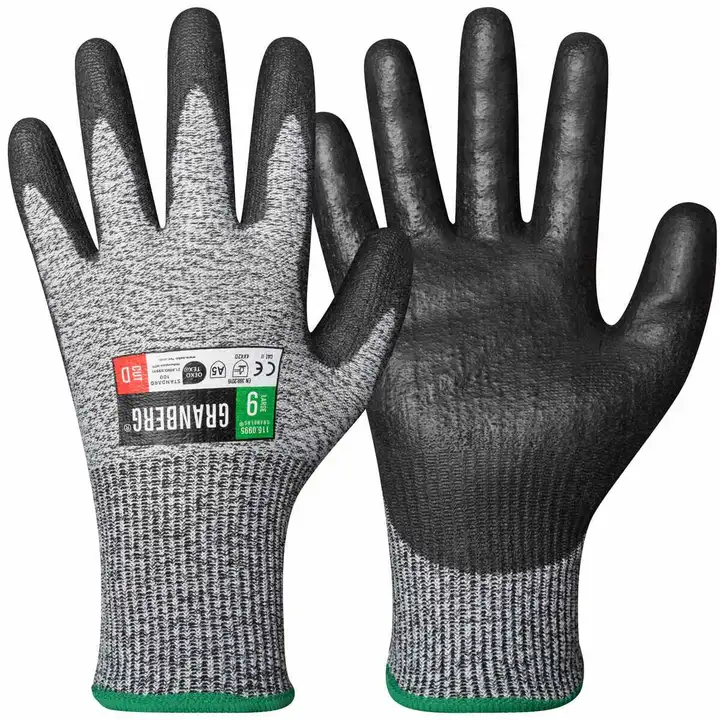
- GRANBERG 0995 Gloves: Cut Resistant Assembly Gloves
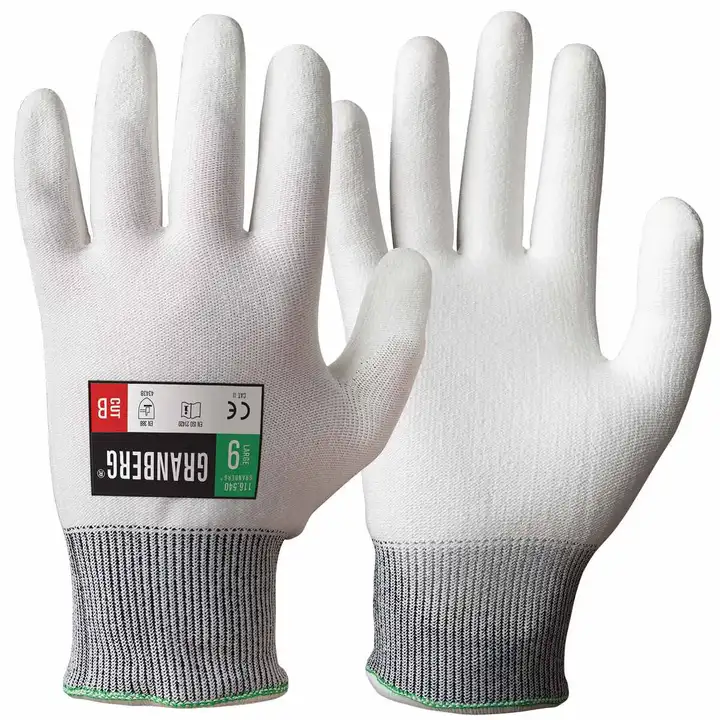
- GRANBERG 540: Cut-Resistant Gloves with Typhoon® Fibre
- GRANBERG 504: ANSI A5 Cut-Resistant Food Liner Gloves
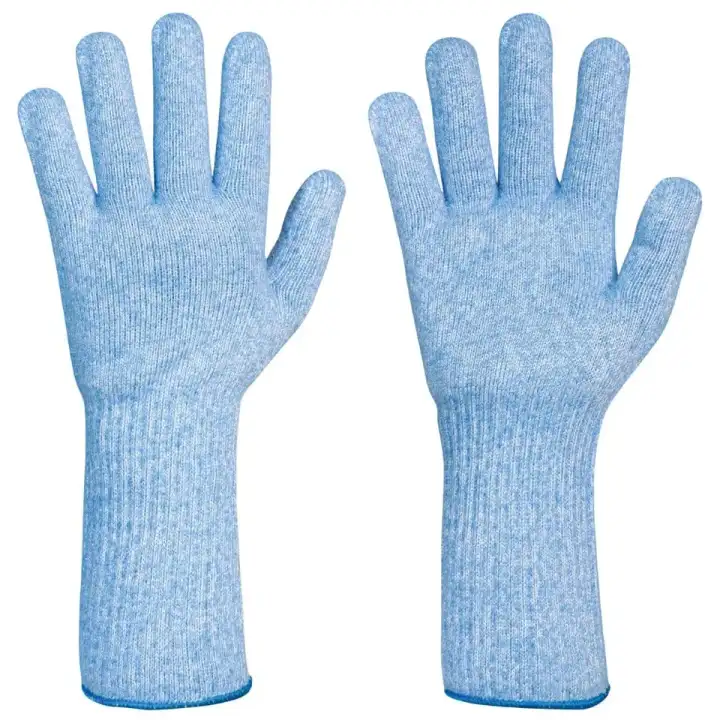
- GRANBERG 1190: Arc Flash, Cut and Impact Work Gloves
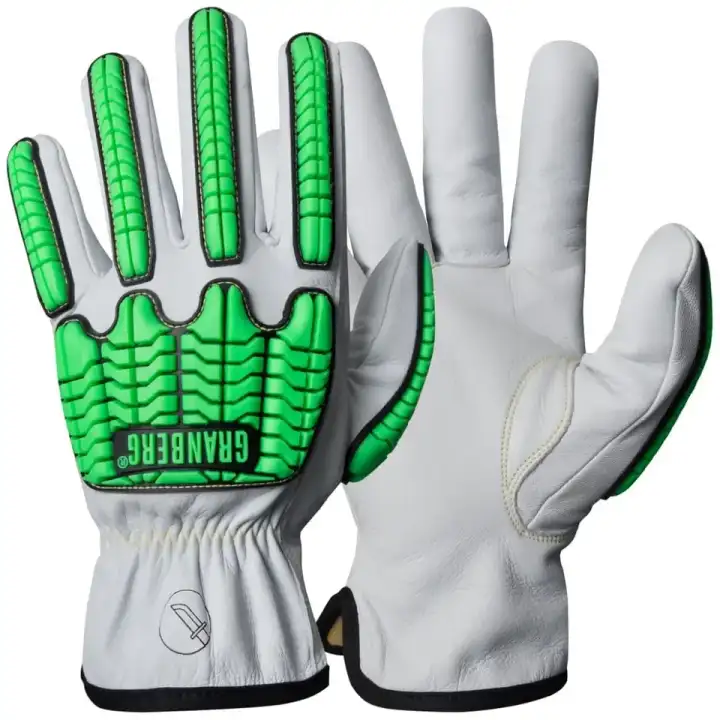
- GRANBERG 580: Thermal Cut-Resistant Work Gloves
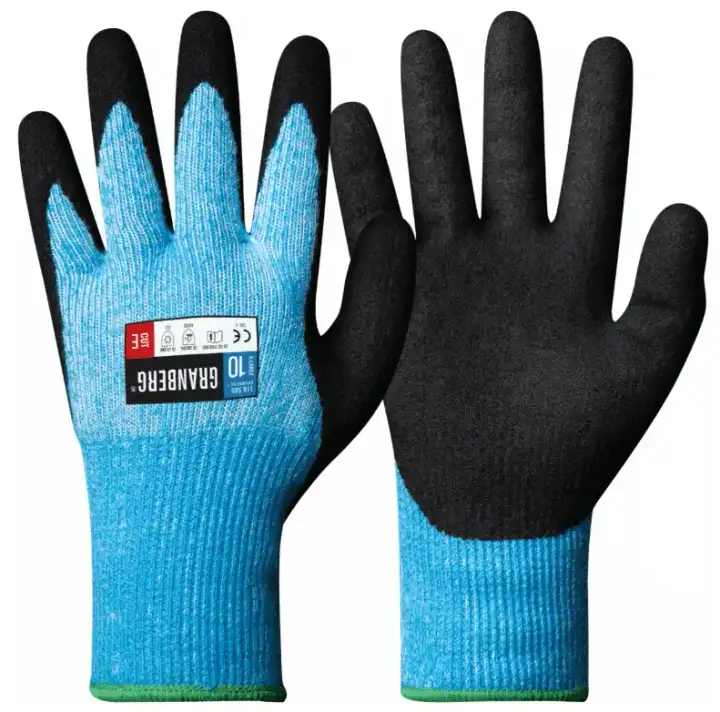
- GRANBERG EX 4997W: Winter Cut-Resistant Work Gloves
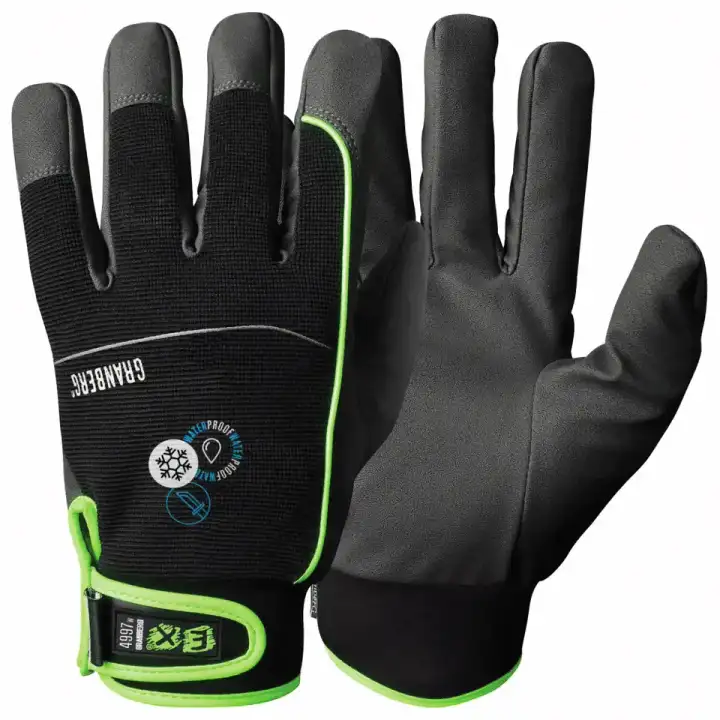
- GRANBERG 502 Cut-Resistant Food Liner Gloves
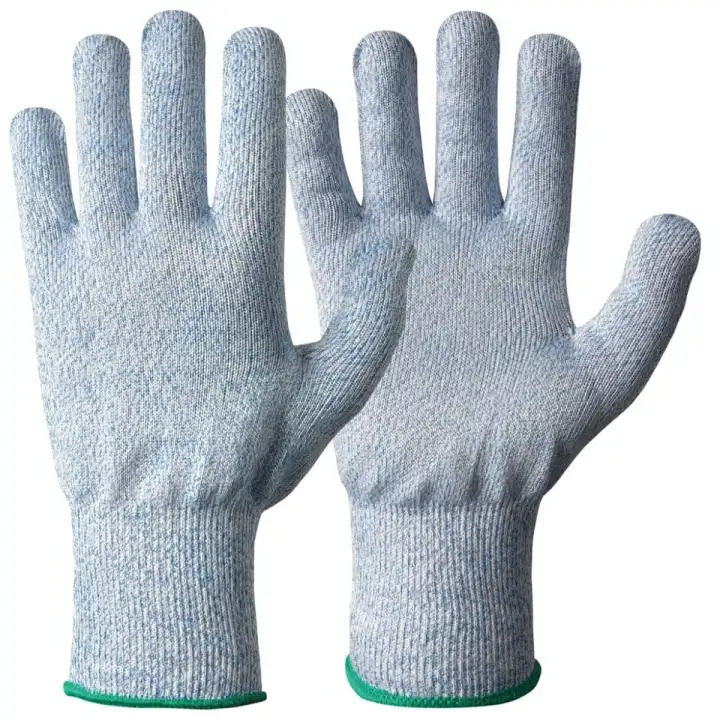
- GRANBERG 547: Cut Level D Sandy Nitrile Grip Gloves
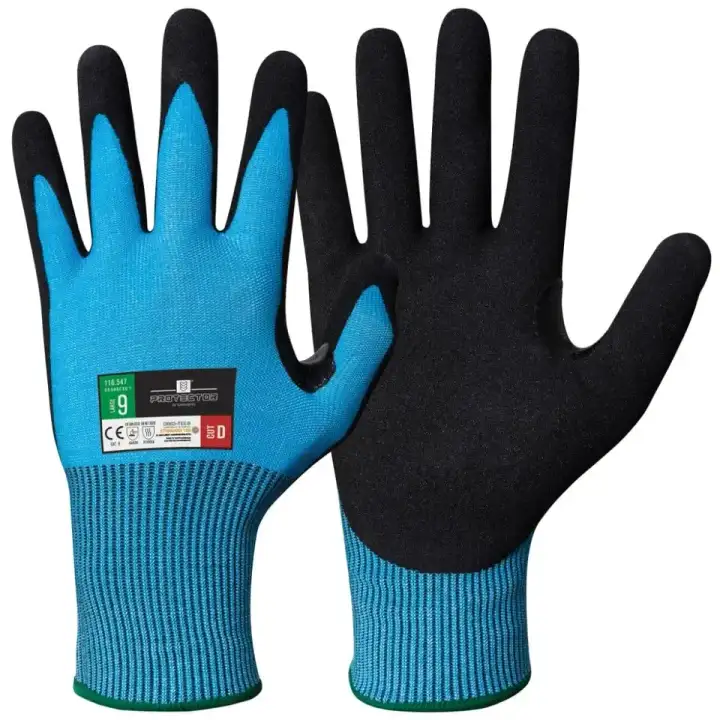
- GRANBERG 599: Level F Cut-Resistant Gloves for Oily Work
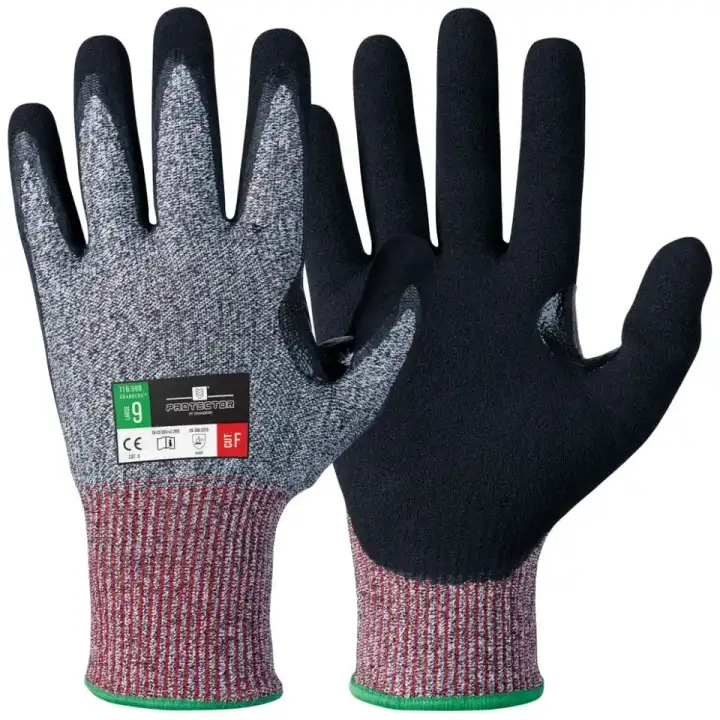
- GRANBERG EX 3270W: Winter Cut & Impact Work Gloves
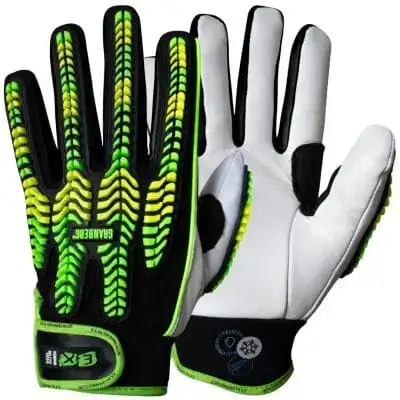
- GRANBERG 1024 Gloves: Cut & Heat Resistant Work Gloves
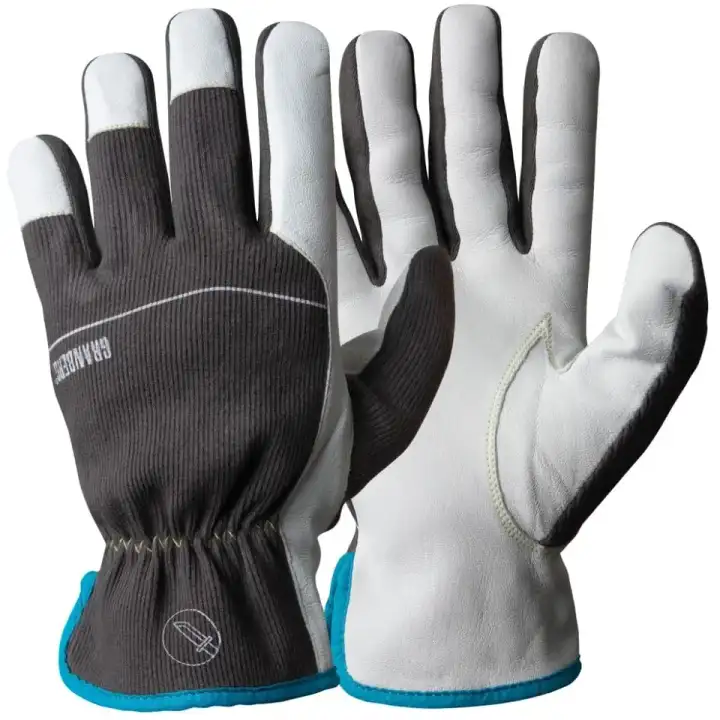
- GRANBERG 1023: Kevlar Lined Goatskin Gloves
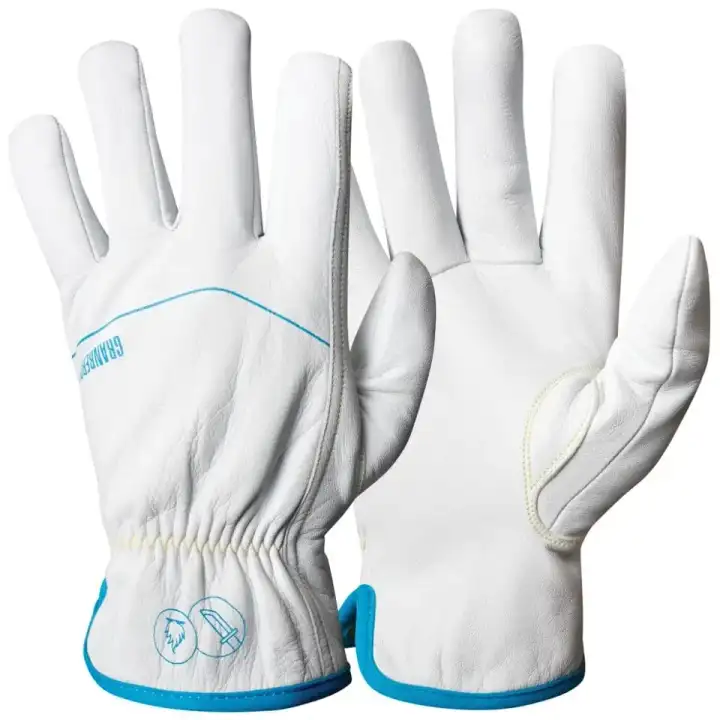
- GRANBERG 5503: Cut & Impact Gloves for Oily Conditions
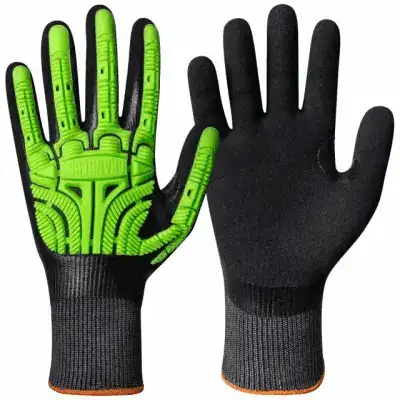
- GRANBERG EX 3250: High Cut & Impact Resistant Gloves
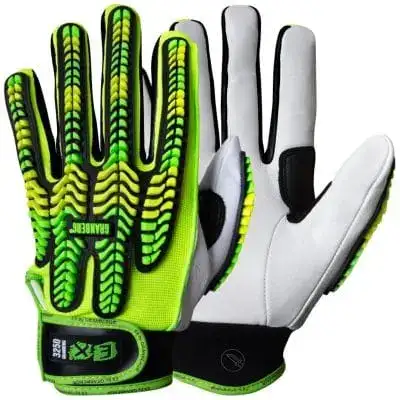
- GRANBERG 5501: Heavy-Duty Cut & Impact Gloves
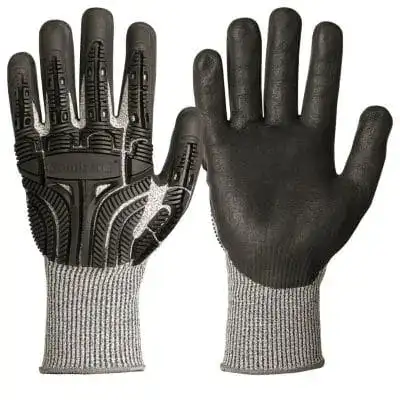
- GRANBERG 1191: Kevlar® Cut-Resistant Goatskin Gloves
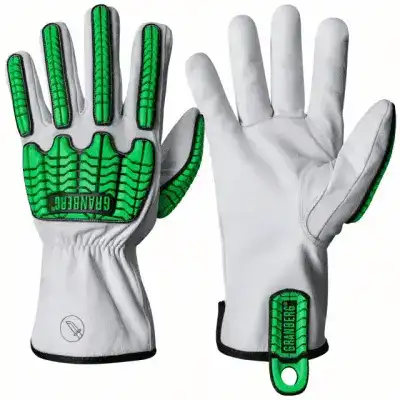
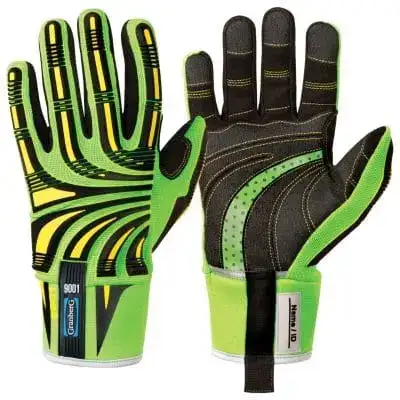
- GRANBERG 9001: Cut & Impact Gloves, Previous Spec Clearance
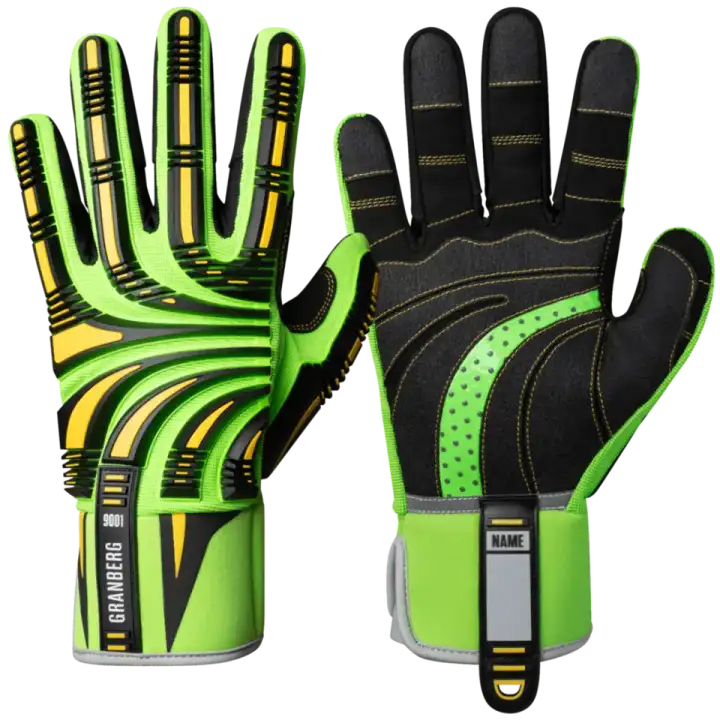
- GRANBERG 9013 Gloves: HF Chemical & Cut Protection
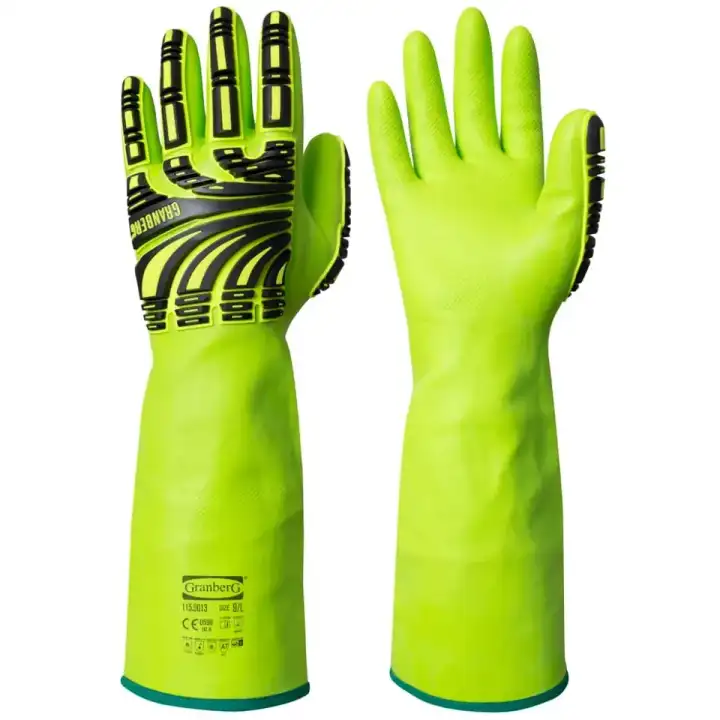
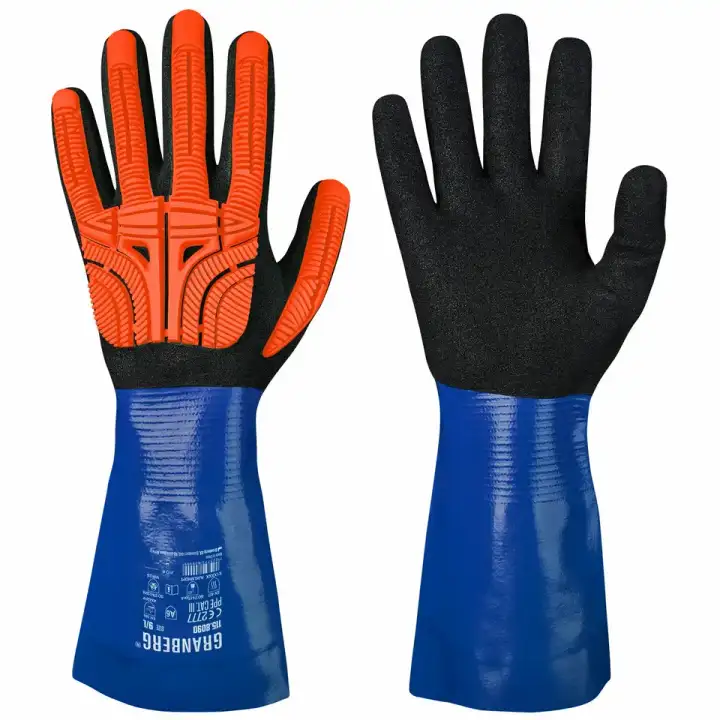
- GRANBERG 8090: Chemical, Cut & Impact Gloves, 35 cm
- GRANBERG 9001 Kozane: Cut Level F Impact Gloves
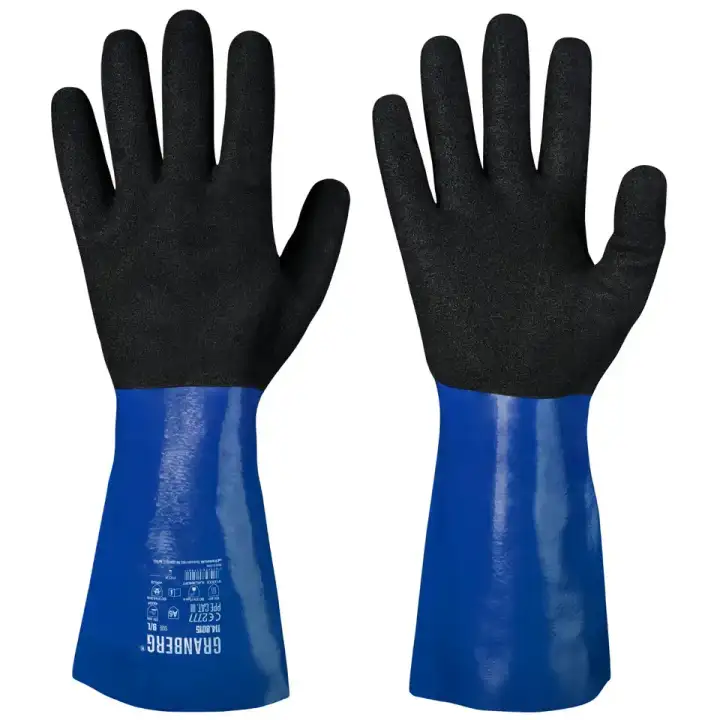
- GRANBERG 8015: Cut & Chemical-Resistant Nitrile Gloves
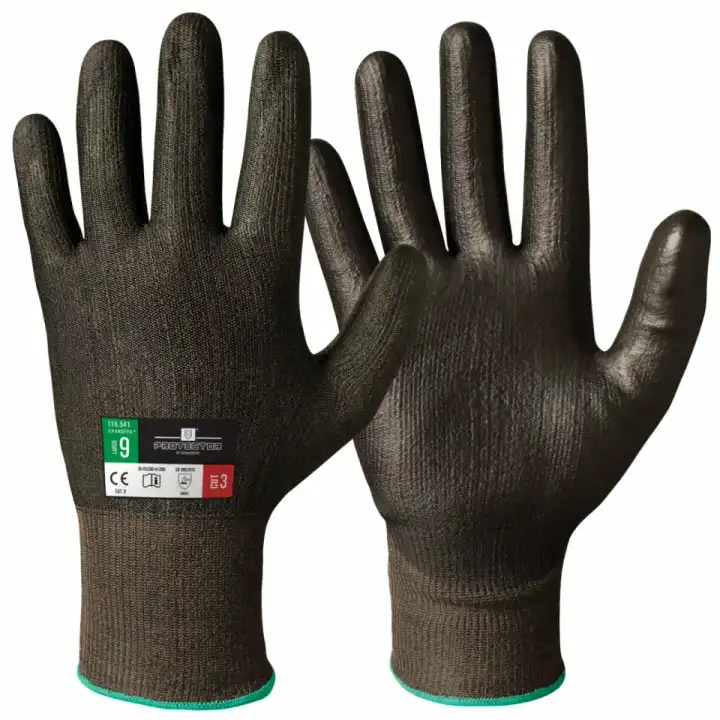
- GRANBERG 541: Ultra-Thin Cut-Resistant Assembly Gloves
- GRANBERG 530: Cut Level F Latex-Coated Gloves
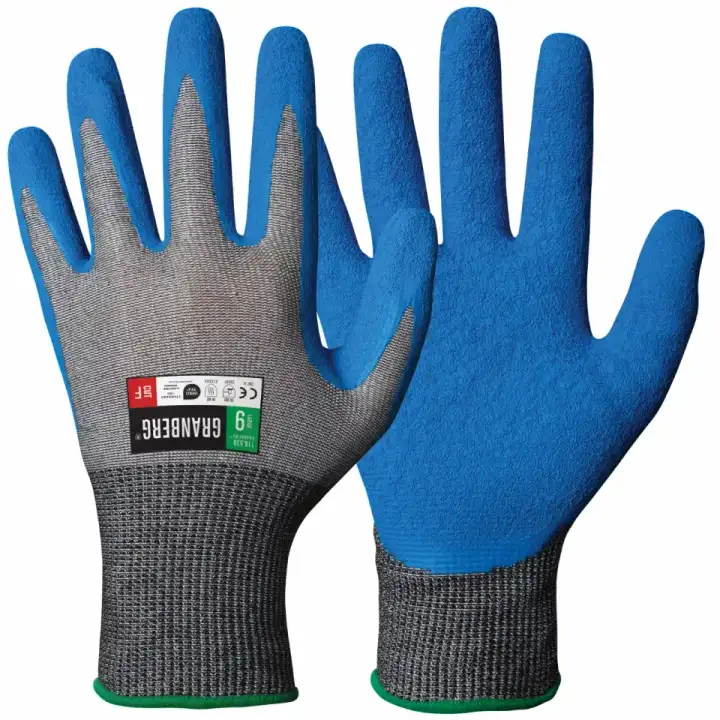
- GRANBERG 593: Cut D Sandy Nitrile Waterproof Gloves
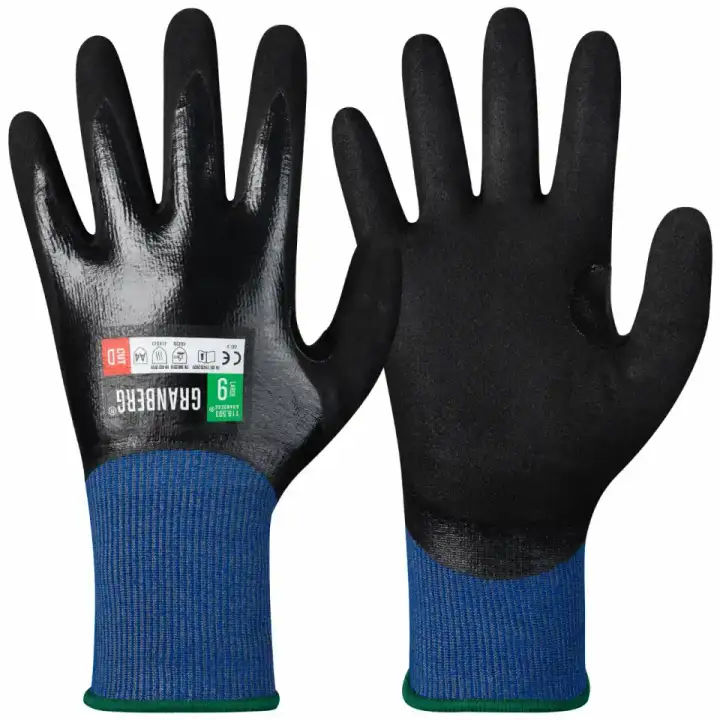
- GRANBERG 597: Cut Level F Nitrile-Grip Gloves
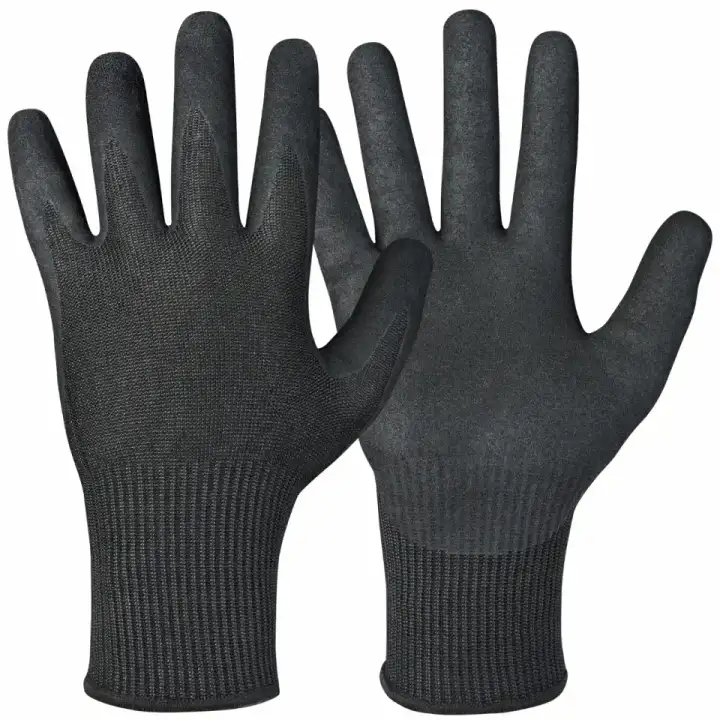
- GRANBERG 5504: Cut D Impact Gloves, Sandy Nitrile Palm
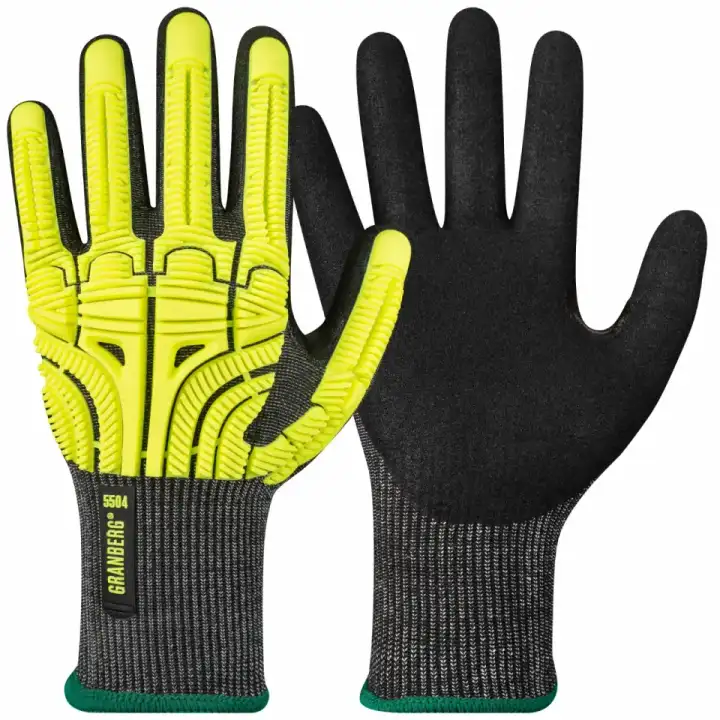
- GRANBERG 7000: Needle & Cut Resistant Safety Gloves
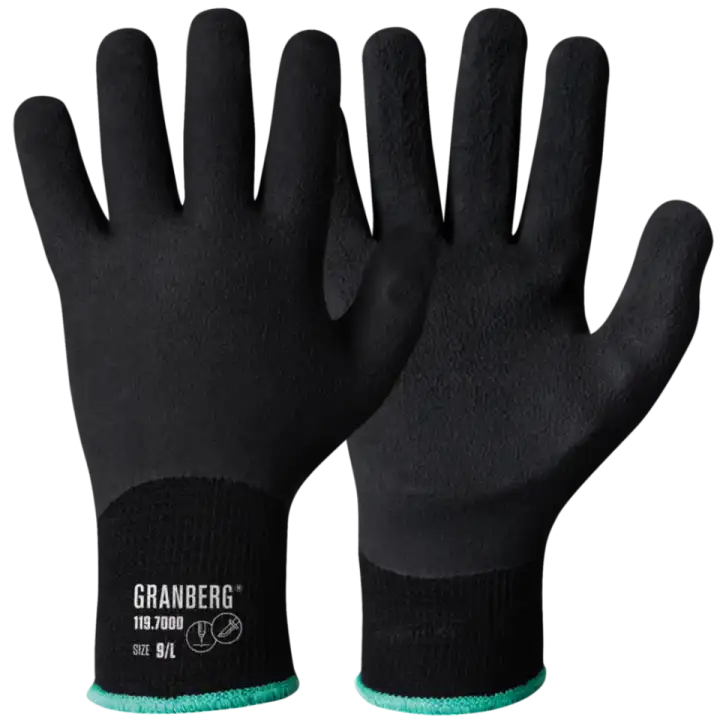
- GRANBERG 1025: Kevlar Lined Heat-Resist Gloves
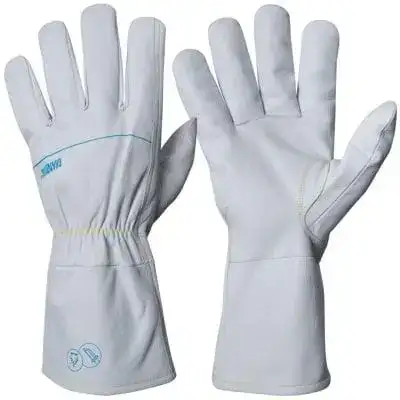
- GRANBERG EX 4999W: Waterproof Winter Cut Gloves
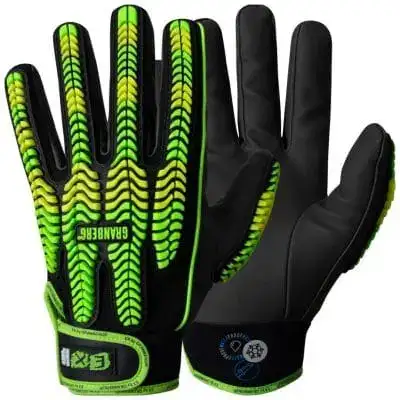
- GRANBERG EX 3260: Cut and Impact Work Gloves
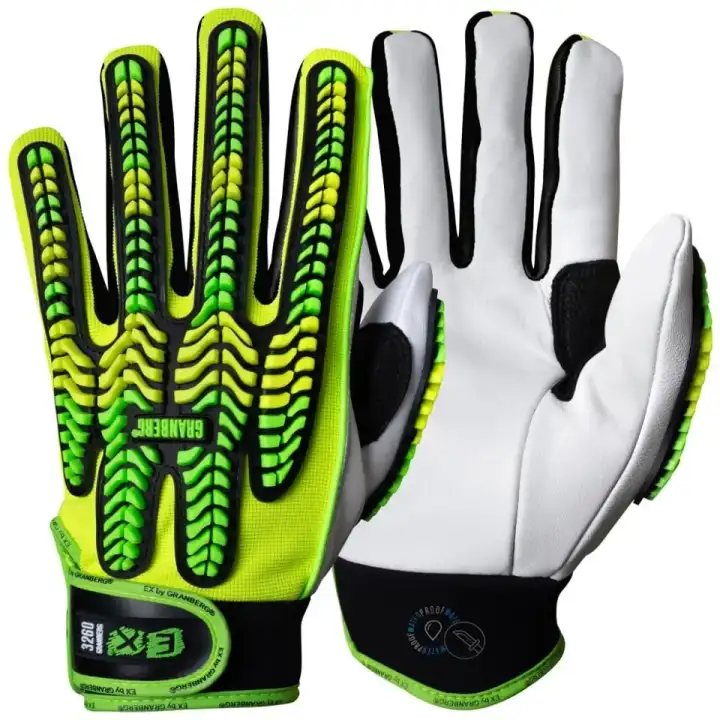
- GRANBERG 592: Touchscreen Cut-Resistant Gloves
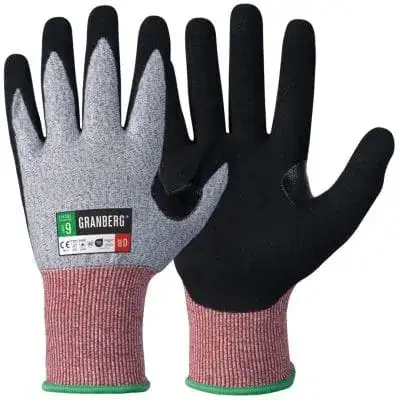
- GRANBERG EX 3280: Cut & Impact Work Gloves (Dry Use)
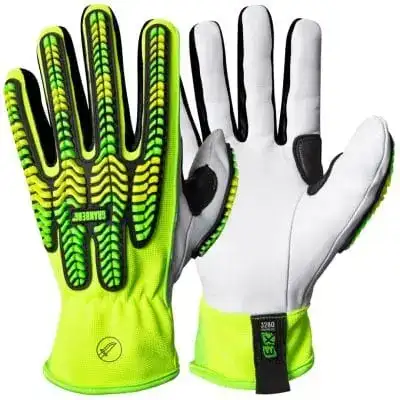
- GRANBERG 2211 Tactical NSP: Cut-Resistant Duty Gloves
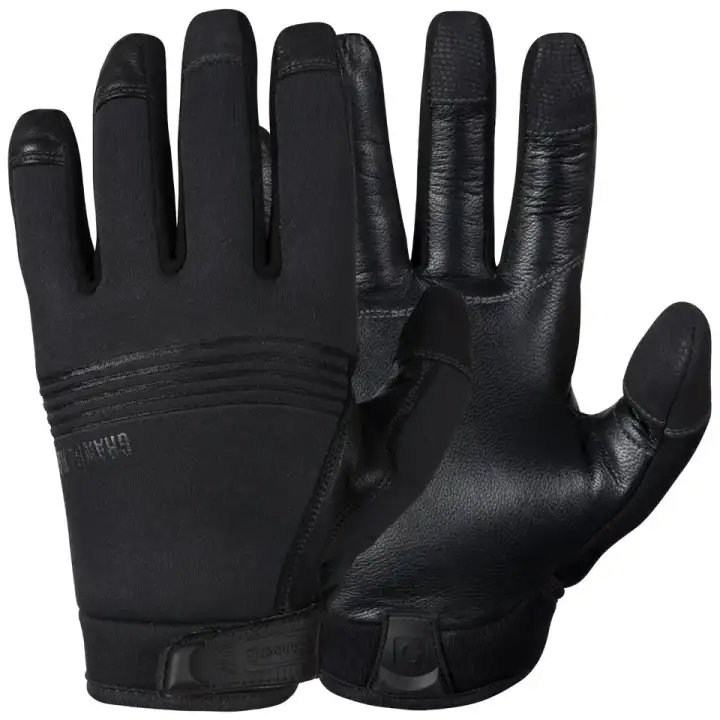
- GRANBERG EX 1119: Cut D Rigger Work Gloves
Frequently asked questions
What is the difference between ANSI cut levels and EN 388 cut ratings?
ANSI/ISEA 105 reports one cut figure from A1 to A9 using the TDM-100 test. EN 388 reports a six character mechanical code covering abrasion, coup test cut, tear, puncture, TDM cut as a letter from A to F, and an optional P for impact. ANSI is voluntary in North America, while EN 388 testing is mandatory before a glove is sold as protective equipment in Europe, so a glove carrying both gives you more information.
Why does my glove show an X in the EN 388 cut position?
The X means the coup test was stopped because the yarn blunted the circular blade, which happens with high performance polyethylene and other hard particle fibres. It is not a missing result. Read the TDM letter in the fifth position instead, since that test uses a fresh straight blade and is the reliable measure for these materials.
Which ANSI cut level do I need?
Match the level to the sharpest edge in the task, not to the highest number available. Light assembly and parts handling are usually served by A2 or A3, sheet metal and glass handling commonly call for A4 to A6, and heavy blade contact or plate work is where A6 and above earns its cost. Choosing higher than needed reduces dexterity and often reduces real world compliance.
Does a cut resistant glove protect against punctures and needles?
Not necessarily. Cut and puncture are separate tests in EN 388, and hypodermic needle resistance is not covered by either. A glove can carry a high cut letter and a modest puncture score. If needle stick is a real risk, look at the tactical and rescue range, which is built for stab and puncture hazards.
Buying in volume
Where a model is sold from the cart, its price is on the product page. Quote-only models do not list a price. Our team can quote mixed orders across the range for sites in Canada and the United States. Request a bulk quote or check the glove sizing guide before ordering.
Safety gloves for Industrial · Safety gloves for Food & Fisheries · Safety gloves for Tactical & Security
Impact Protection gloves · Chemical Resistant gloves · Winter & Cold gloves · Welding & Heat gloves · Assembly & ESD gloves · Tactical & Rescue gloves · Single Use gloves