Impact Protection Gloves
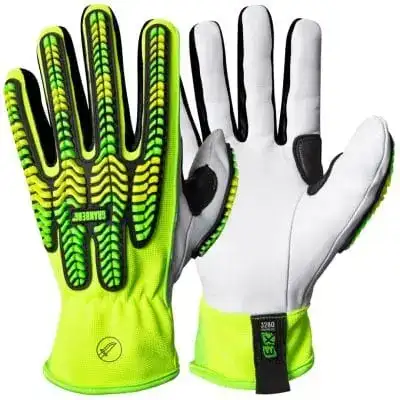
Back of hand impact gloves with thermoplastic rubber guards, tested for the EN 388 impact P designation, for pinch points, dropped tools, knocks against steel and vibration heavy handling.
How to choose an impact glove
Impact protection is the sixth character of the EN 388 code. A glove earns the letter P when the back of hand protection is tested to the impact method referenced from EN 13594, in which a striker delivers a defined energy to the guarded area and the force transmitted through to the anvil is measured. The result is pass or fail, so P tells you the guard met the transmitted force limit. There is no scale of one to five, and no partial credit. A glove without a P in that position has either not been tested or has not passed, and back of hand padding on its own proves nothing.
What the guards are actually protecting
The injuries this category addresses are the ones that happen behind the hand rather than in the palm. Fingers caught between a load and a rack. Knuckles dragged along a beam while a hand is fed into a confined space. A wrench that slips and drives the back of the hand into the housing. A pipe or a tote that swings while it is being landed. None of these are cuts, and a cut resistant palm does nothing for any of them.
Thermoplastic rubber guards work by spreading the strike over a wider area and absorbing part of the energy through deformation. The way they are laid out matters as much as their thickness. Segmented guards over the knuckles, the finger joints and the thumb saddle let the hand close normally, which keeps the glove in use. A single moulded shell across the whole back is stiffer, protects a broader area, and suits tasks where the hand mostly grips rather than manipulates.
When impact only is the right call
Many impact gloves combine a TPR back with a cut resistant liner, and that combination is the safe default when both hazards are present. It is not always the economical one. Where the parts being handled are heavy but blunt, such as drill pipe, scaffold components, castings, kegs, drums and moulded plastic, the real exposure is crush and knock rather than laceration. An impact glove with a synthetic leather palm and a foam nitrile grip costs less per pair than the equivalent glove with a high level cut liner, and it typically lasts longer in abrasive service.
Confirm three things before you standardize. The guard should cover the whole finger, not just the knuckle, because fingertips take a large share of pinch injuries. The palm should hold grip on whatever is on the load, whether that is drilling mud, oil or dust. The cuff should suit the environment, with a short elastic cuff where a hand needs to leave the glove quickly and a longer cuff where wrist knocks are common. Then check the size, since a bulky glove that fits poorly will be taken off.
Impact Protection Gloves range
- GRANBERG 9002: Extreme Cut & Impact Work Gloves
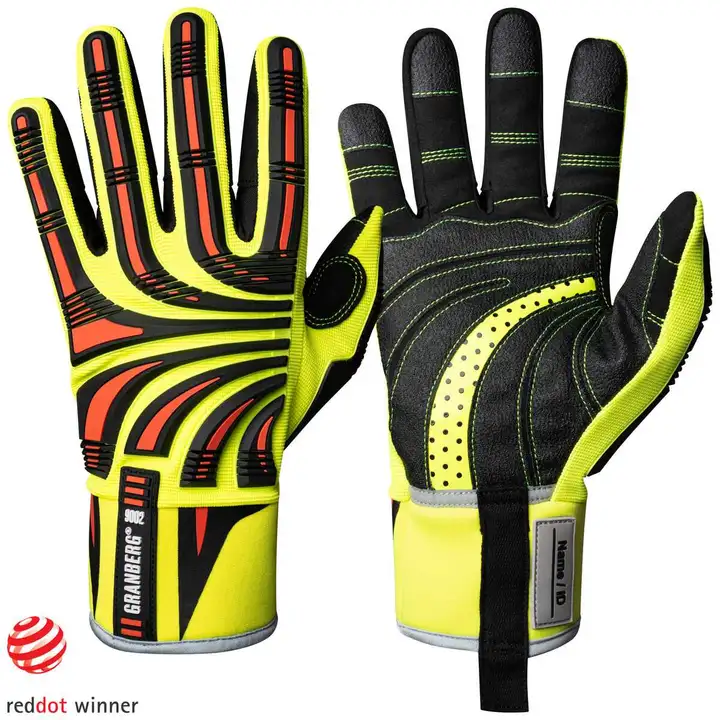
- GRANBERG 9007 Gloves: Cut & Impact Protection Gear
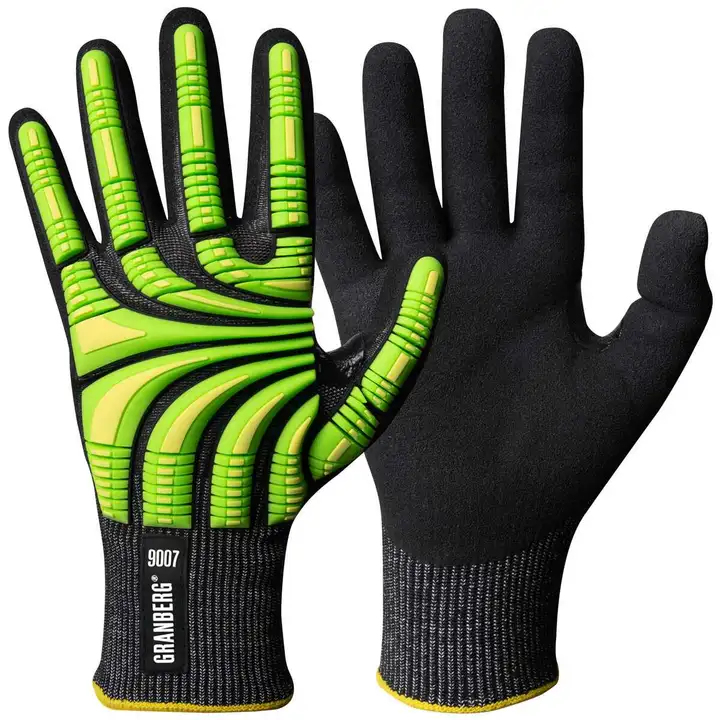
- GRANBERG 1190: Arc Flash, Cut and Impact Work Gloves
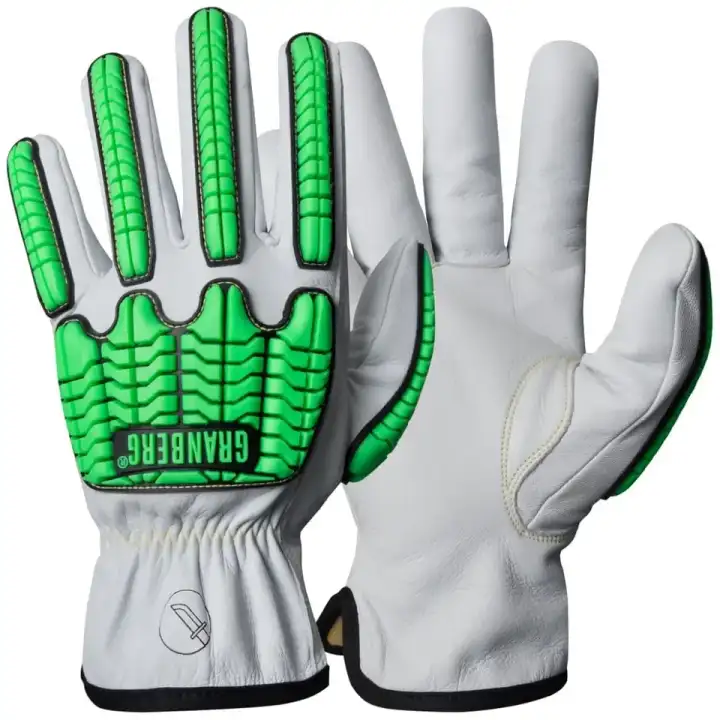
- GRANBERG EX 4997W: Winter Cut-Resistant Work Gloves
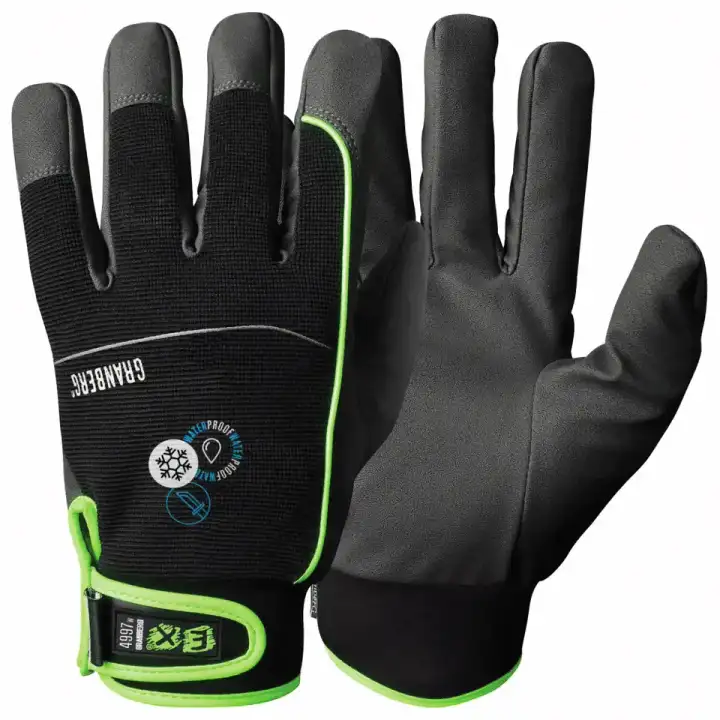
- GRANBERG 5502: Impact Gloves with Oil Grip
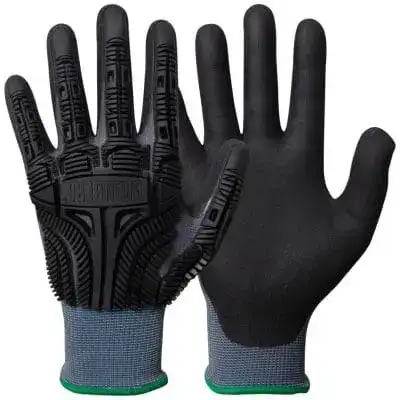
- GRANBERG EX 3270W: Winter Cut & Impact Work Gloves
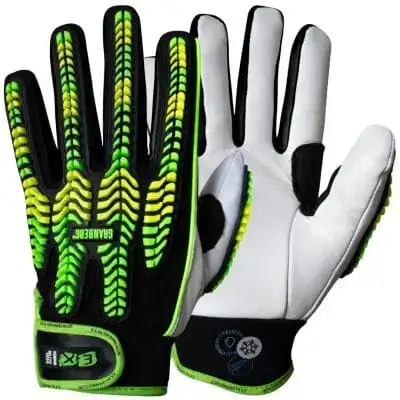
- GRANBERG 5503: Cut & Impact Gloves for Oily Conditions
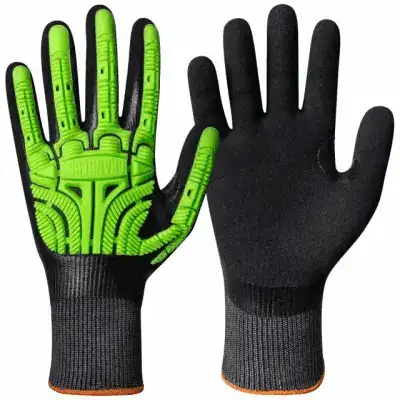
- GRANBERG EX 3250: High Cut & Impact Resistant Gloves
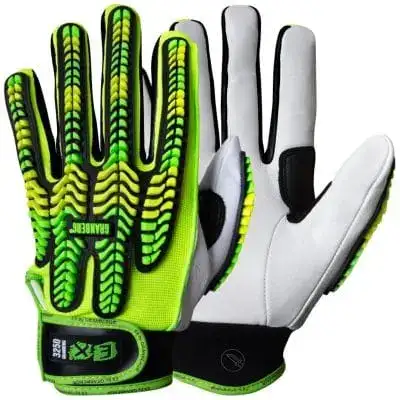
- GRANBERG 5501: Heavy-Duty Cut & Impact Gloves
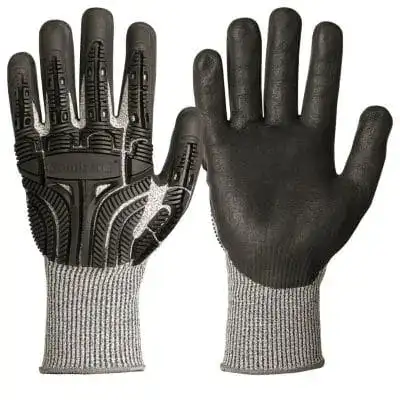
- GRANBERG 1191: Kevlar® Cut-Resistant Goatskin Gloves
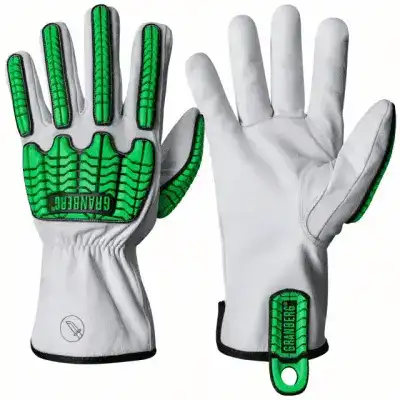
- GRANBERG 9001: Cut & Impact Gloves, Previous Spec Clearance
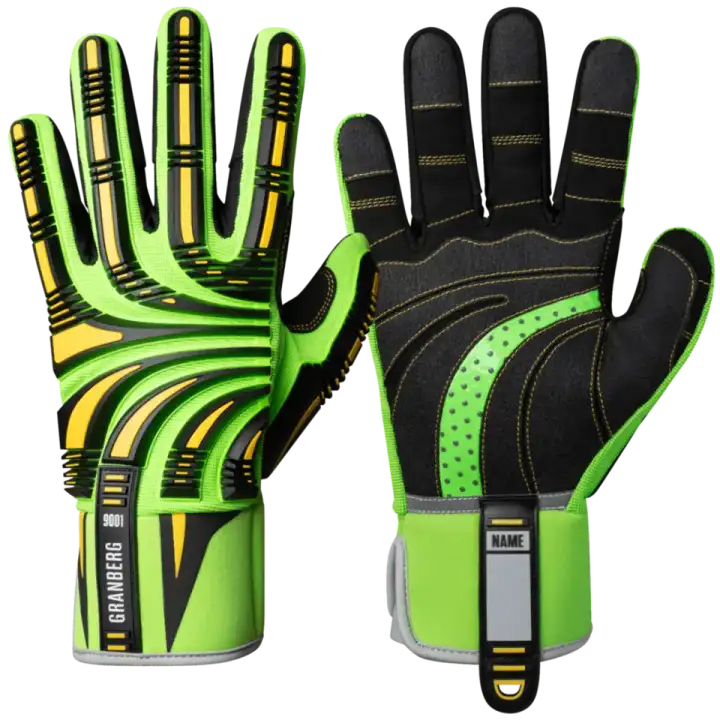
- GRANBERG 9013 Gloves: HF Chemical & Cut Protection
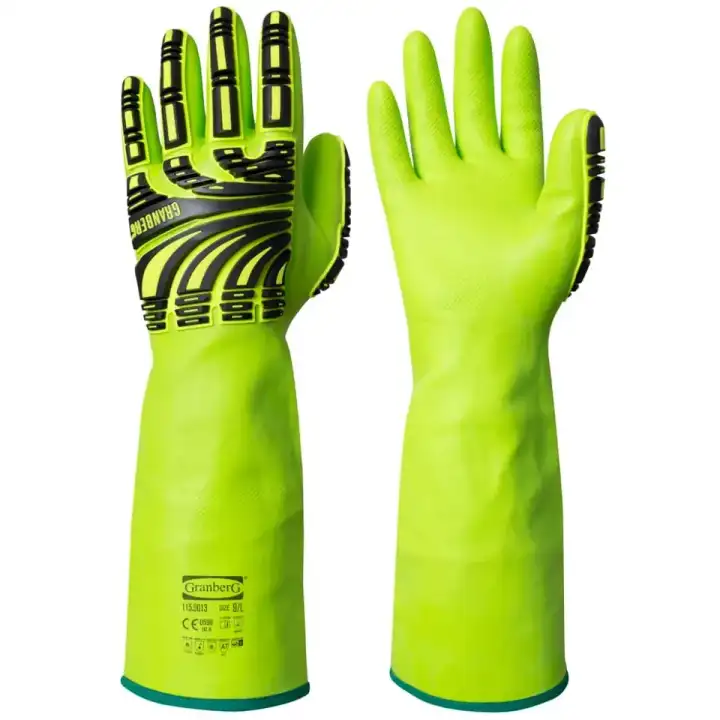
- GRANBERG 8090: Chemical, Cut & Impact Gloves, 35 cm
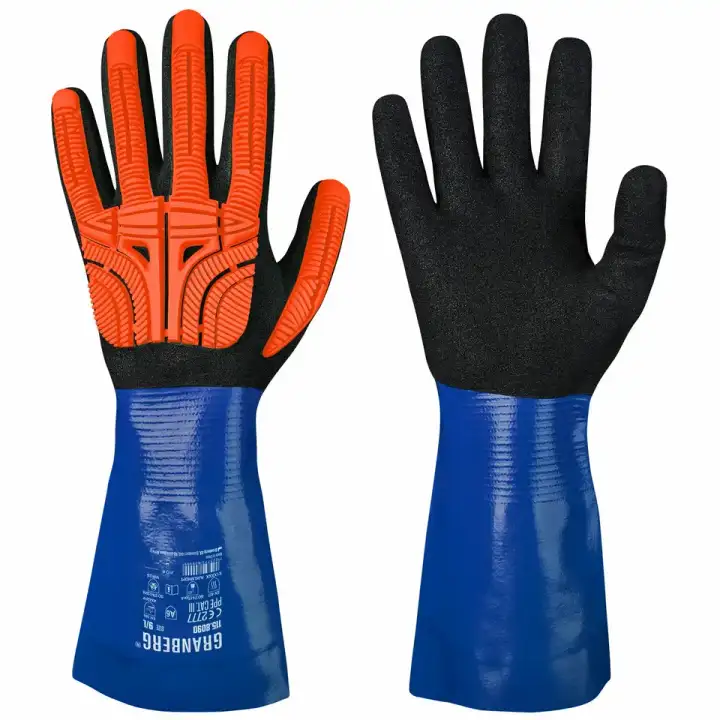
- GRANBERG 9001 Kozane: Cut Level F Impact Gloves
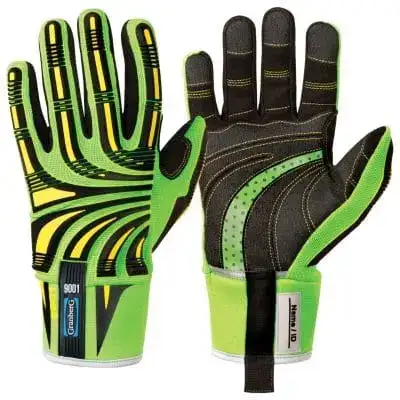
- GRANBERG 6060: Chemical & Impact Nitrile Gloves, 39 cm
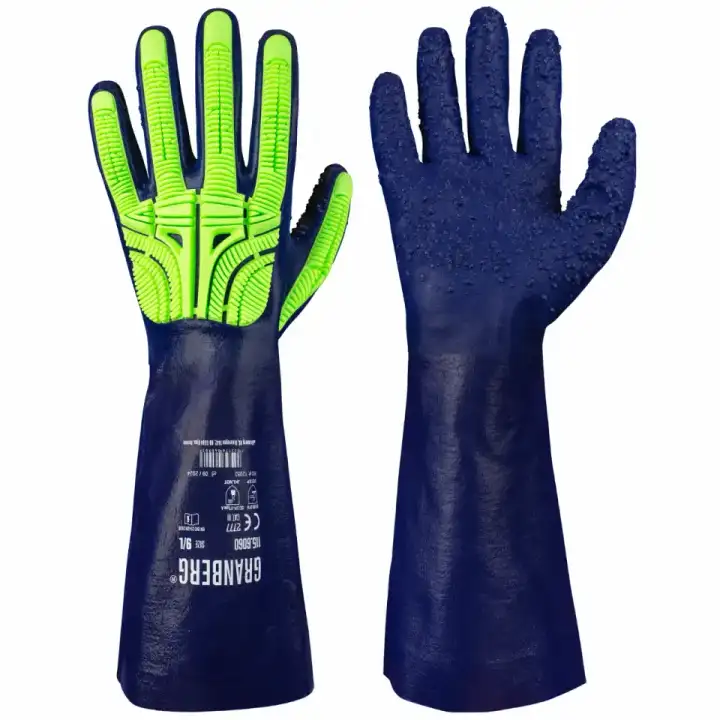
- GRANBERG 6065: Chemical & Impact Winter Gloves
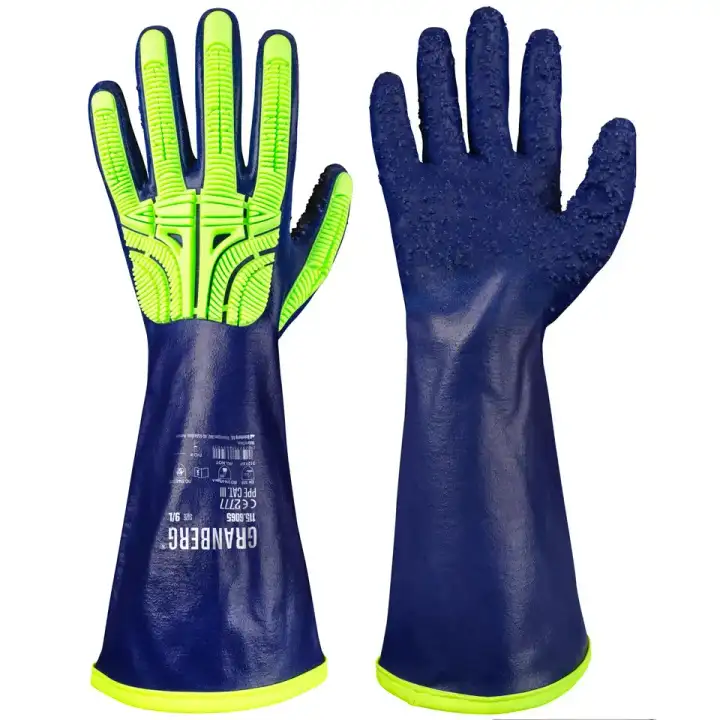
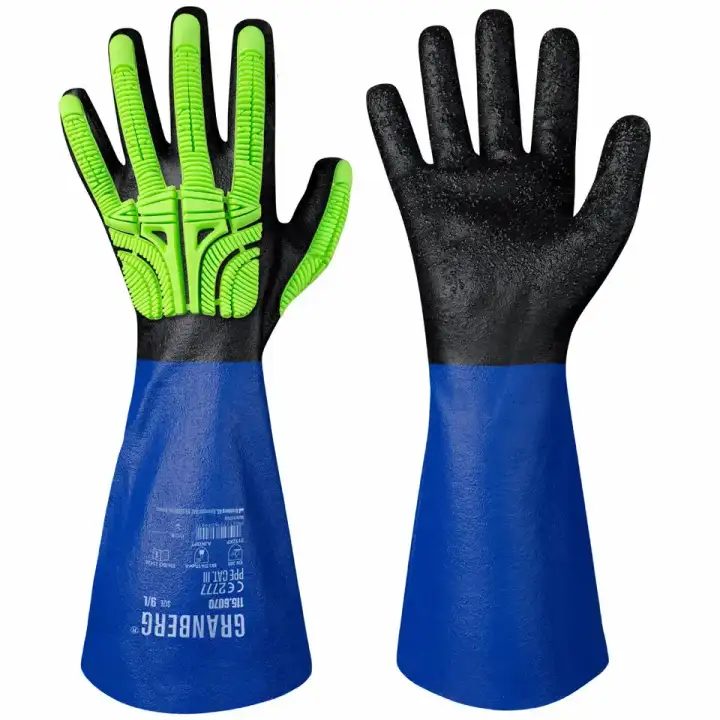
- GRANBERG 6070: Chemical & Impact Resistant Nitrile Gloves
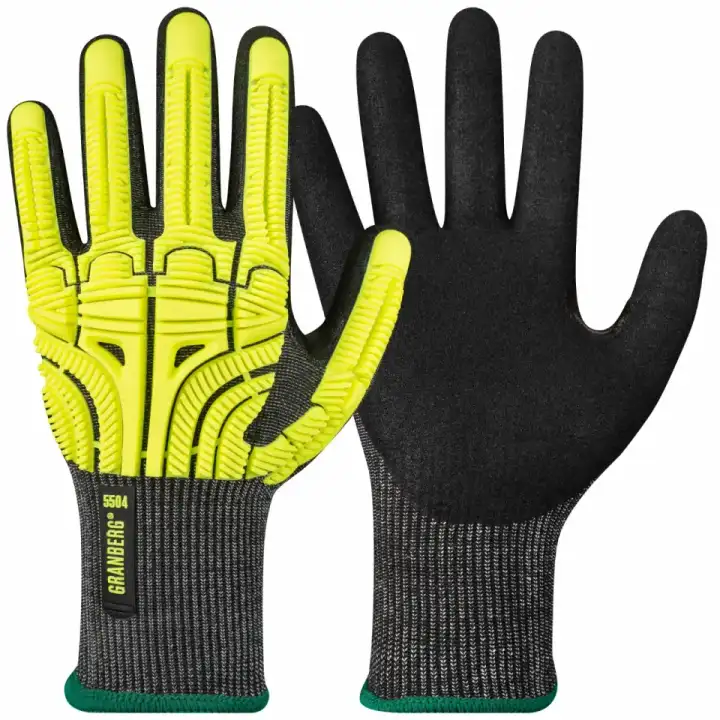
- GRANBERG 5504: Cut D Impact Gloves, Sandy Nitrile Palm
- GRANBERG EX 4999W: Waterproof Winter Cut Gloves
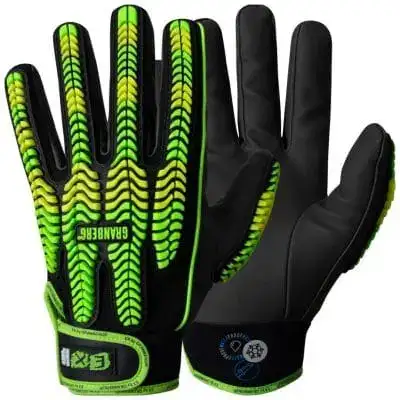
- GRANBERG EX 3260: Cut and Impact Work Gloves
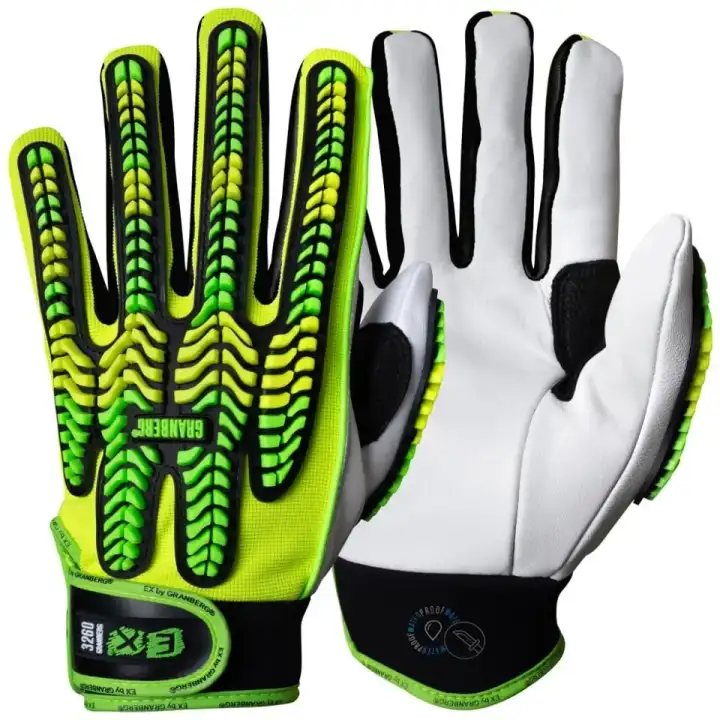
- GRANBERG EX 3280: Cut & Impact Work Gloves (Dry Use)
Frequently asked questions
What does the P in an EN 388 rating mean?
P is the optional sixth character and it means the glove passed the impact protection test referenced from EN 13594. It is a pass or fail result for the guarded back of hand area, not a graded score. If there is no P, the glove has not demonstrated impact performance under EN 388 no matter how much padding it appears to have.
Do impact gloves also protect against cuts?
Only if the liner is cut rated as well. The TPR guards address back of hand strikes and pinch injuries, while cut resistance comes from the palm side liner and is reported separately in the EN 388 code and in the ANSI cut level. Check both figures if both hazards are present in the task.
Are TPR guards suitable for hot work?
No. Thermoplastic rubber softens with heat and is not tested for heat contact under EN 407. For welding, foundry work, hot pipe handling or anything involving sparks and molten splash, use the welding and heat range instead.
How do I stop workers taking impact gloves off?
Fit and articulation are usually the reason. Segmented guards that follow the finger joints let the hand close around a tool, and a correctly sized glove with a flexible palm keeps enough feel for the task. Measure hands against the sizing guide rather than issuing one size across a crew.
Buying in volume
Where a model is sold from the cart, its price is on the product page. Quote-only models do not list a price. Our team can quote mixed orders across the range for sites in Canada and the United States. Request a bulk quote or check the glove sizing guide before ordering.
Safety gloves for Industrial · Safety gloves for Tactical & Security
Cut Resistant gloves · Chemical Resistant gloves · Winter & Cold gloves · Welding & Heat gloves · Assembly & ESD gloves · Tactical & Rescue gloves · Single Use gloves