Construction Work Gloves
A construction site changes from week to week, and so do the hazards. Rebar, sheet metal, glass, block and timber all wear gloves out in different ways, and winter brings cold and wet on top. This guide covers the main tasks and how to pick a glove for each, followed by every glove in the range that meets the construction selection rule.
Handling rebar, sheet metal and glass
Rebar is rough, heavy and often has sharp cut ends and tie wire. It is mainly an abrasion and puncture problem, with cut risk at the ends. Sheet metal, ductwork, flashing and cladding have long, clean edges that slice rather than scrape, so they need a real cut rating. Glass and glazing are the most severe cut hazard on most sites, because a broken pane produces long, very sharp edges.
For sheet metal and glass, buyers commonly specify EN 388 cut level D or higher, or ANSI A4 or higher on lines that carry an ANSI rating, and move to E or F for glazing. Every glove in this range is certified to EN standards, and some lines are additionally ANSI rated. To compare the two systems, read how to read EN 388 and ANSI cut levels.
Impact on site
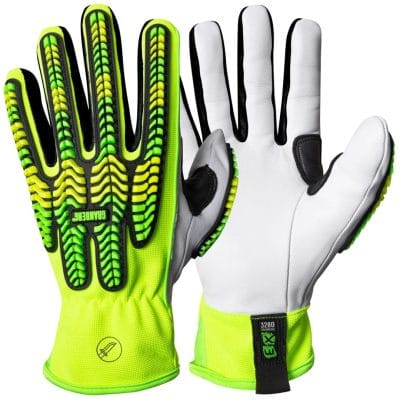
Formwork, scaffolding, steel erection and demolition put hands in the way of swinging loads, falling material and hammer blows. Impact gloves place molded TPR guards over the knuckles and the backs of the fingers, the parts of the hand that take most blows. Under EN 388, a P at the end of the marking shows the glove passed the knuckle impact test. Some lines also list ANSI/ISEA 138. See the impact glove range.
Abrasion and how long a glove lasts
Block, brick, concrete and rough lumber grind through gloves quickly. The first digit of the EN 388 marking is the abrasion rating, from 1 to 4, where 4 survived the most abrasion cycles in testing. A higher abrasion figure usually means fewer glove changes per week on heavy handling tasks, which matters when you buy by the carton.
Choosing between leather and coated knit
Leather gloves are tough, resist abrasion and handle rough, heavy material well. They suit rebar, demolition and general laboring. They are less flexible than a knit glove and can stiffen after getting wet.
Coated knit gloves use a seamless knitted liner dipped in a coating such as nitrile, PU or latex. They fit closely, breathe and give much better fingertip feel, which suits fixing, fastening, electrical and finishing work. Cut resistant liners are available, so a coated knit glove can carry a high cut rating while staying dexterous. Compare options in the nitrile coated and cut resistant ranges.
Winter work
Cold hands lose strength and feel, which raises the risk of other injuries. Look for an EN 511 rating, where the digits describe convective cold, contact cold and water penetration. A waterproof shell or membrane keeps insulation working in wet snow and rain. The winter range includes insulated impact and cut resistant options.
When to specify a cut rating
Write a minimum cut level into the site specification whenever crews handle sheet metal, glass, cut steel, ductwork or anything with a fresh edge. General laboring with no sharp material may only need abrasion resistance and grip. When in doubt, specify the cut level for the most severe task the crew does in a normal week.
Gloves for construction
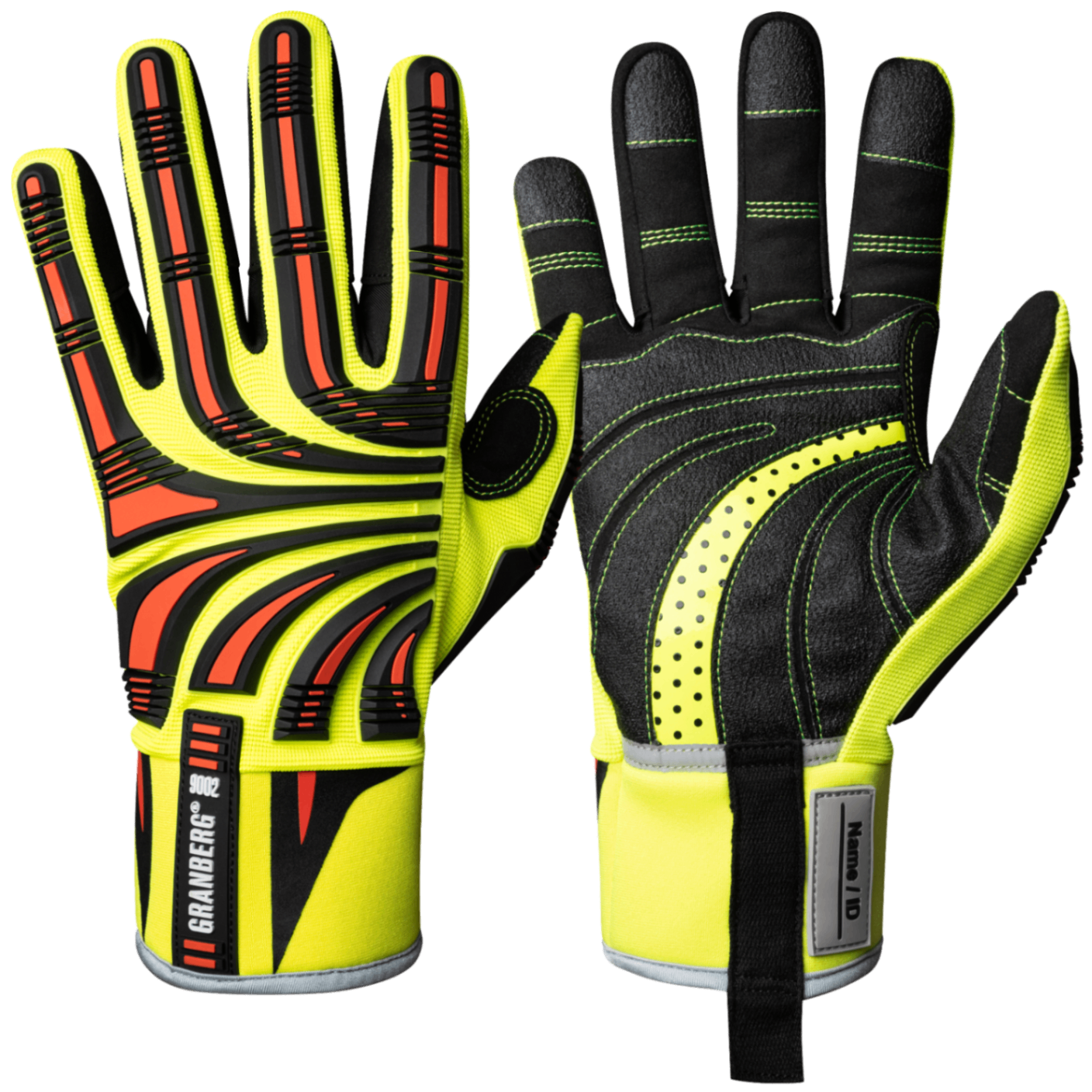
- GRANBERG 9002: Extreme Cut & Impact Work Gloves
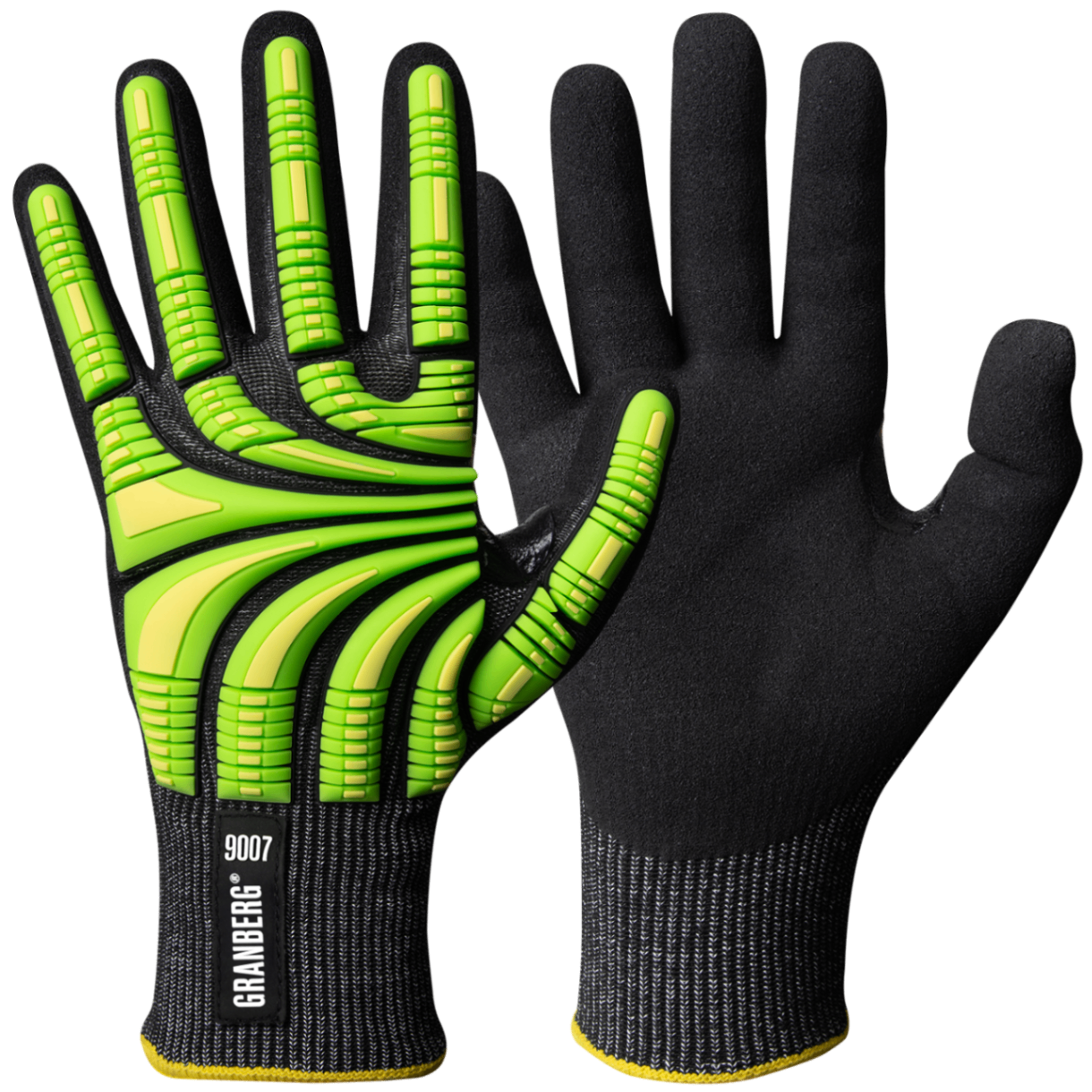
- GRANBERG 9007 Gloves: Cut & Impact Protection Gear
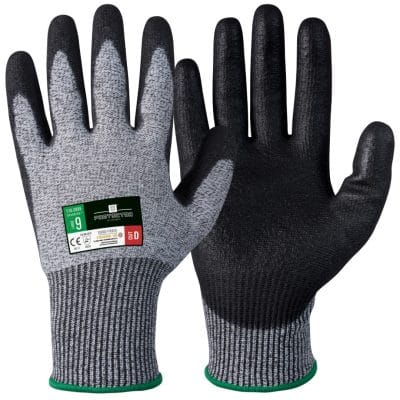
- GRANBERG 0995 Gloves: Cut Resistant Assembly Gloves
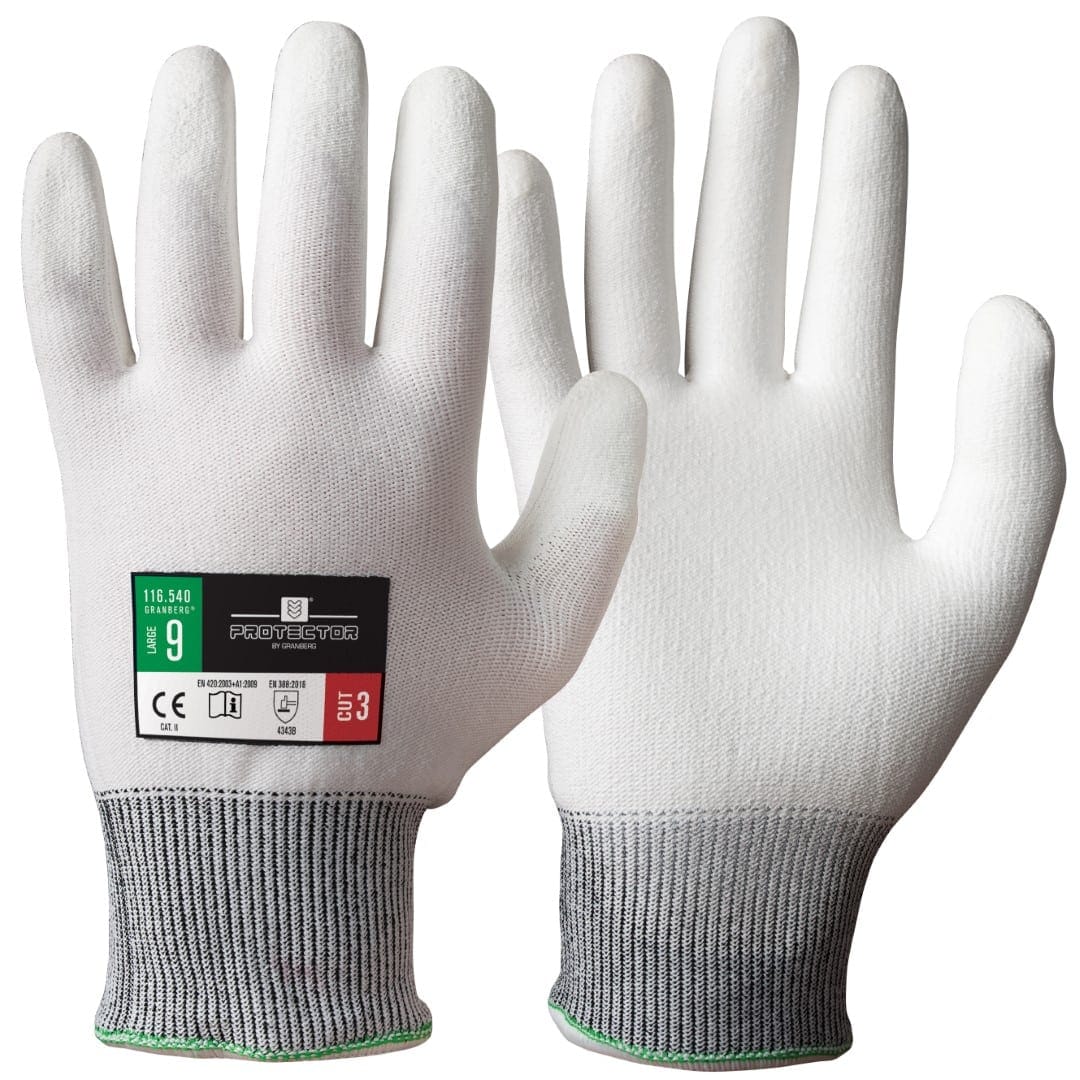
- GRANBERG 540: Cut-Resistant Gloves with Typhoon® Fibre
- GRANBERG 1190: Arc Flash, Cut and Impact Work Gloves
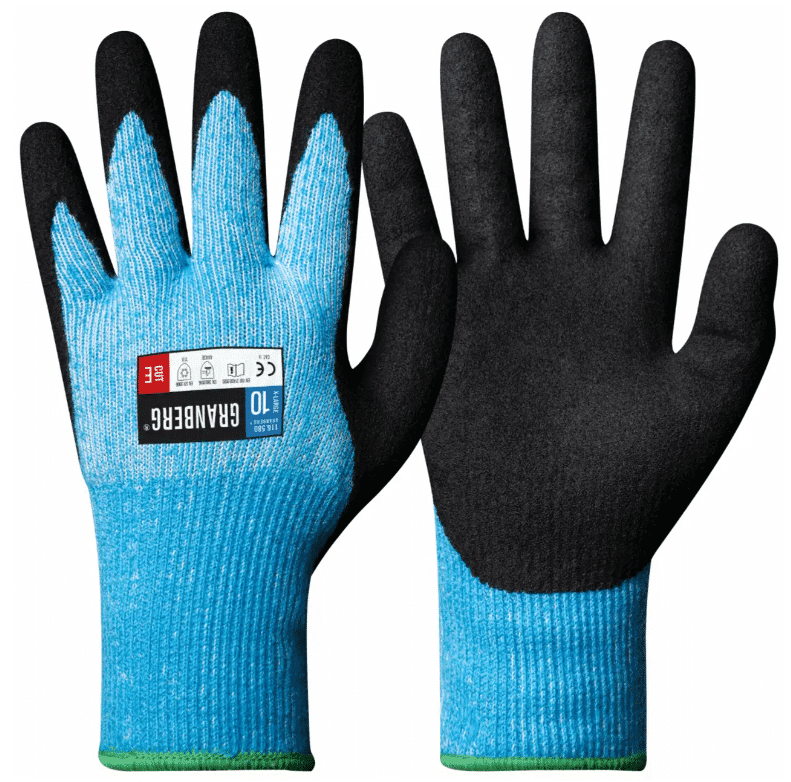
- GRANBERG 580: Thermal Cut-Resistant Work Gloves
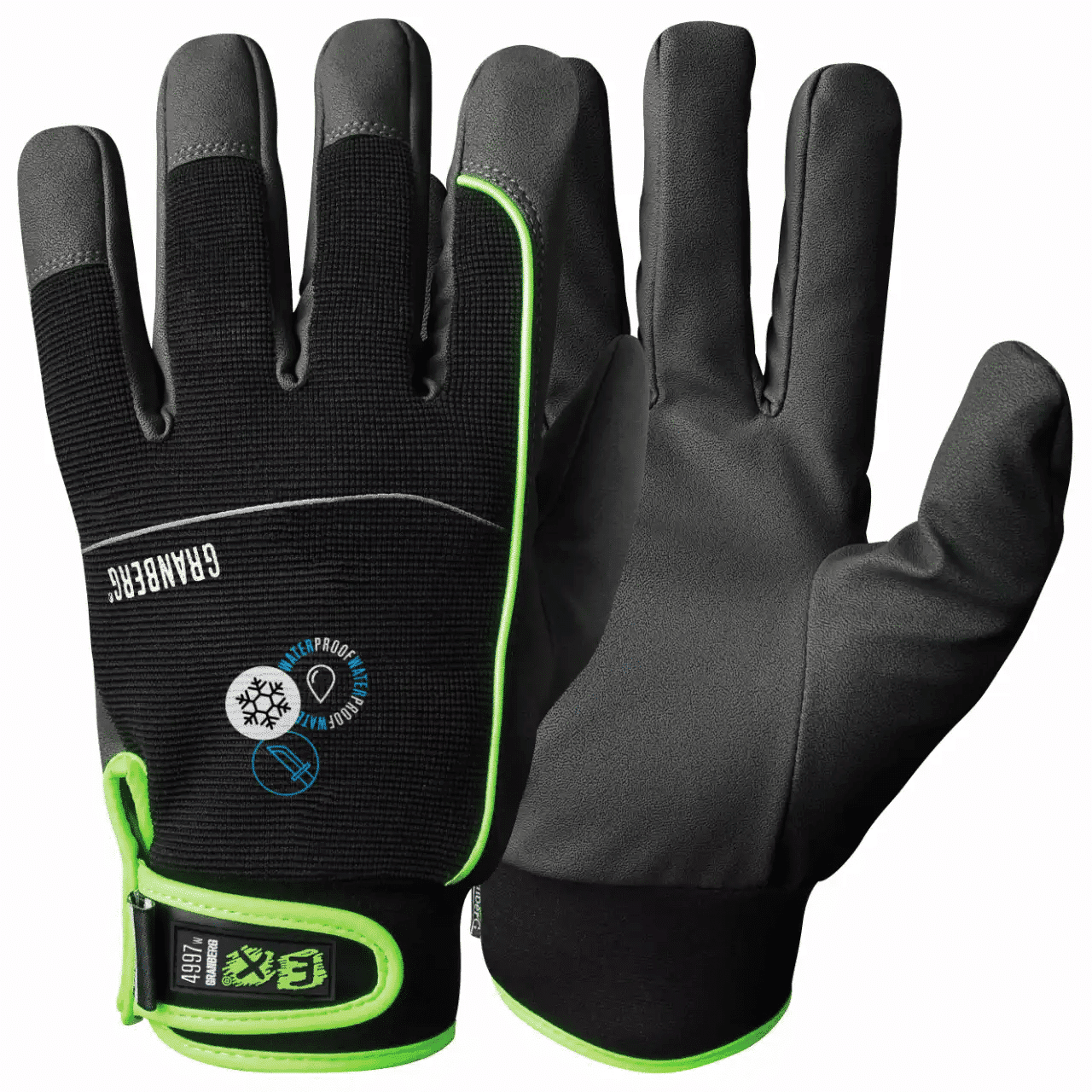
- GRANBERG EX 4997W: Winter Cut-Resistant Work Gloves
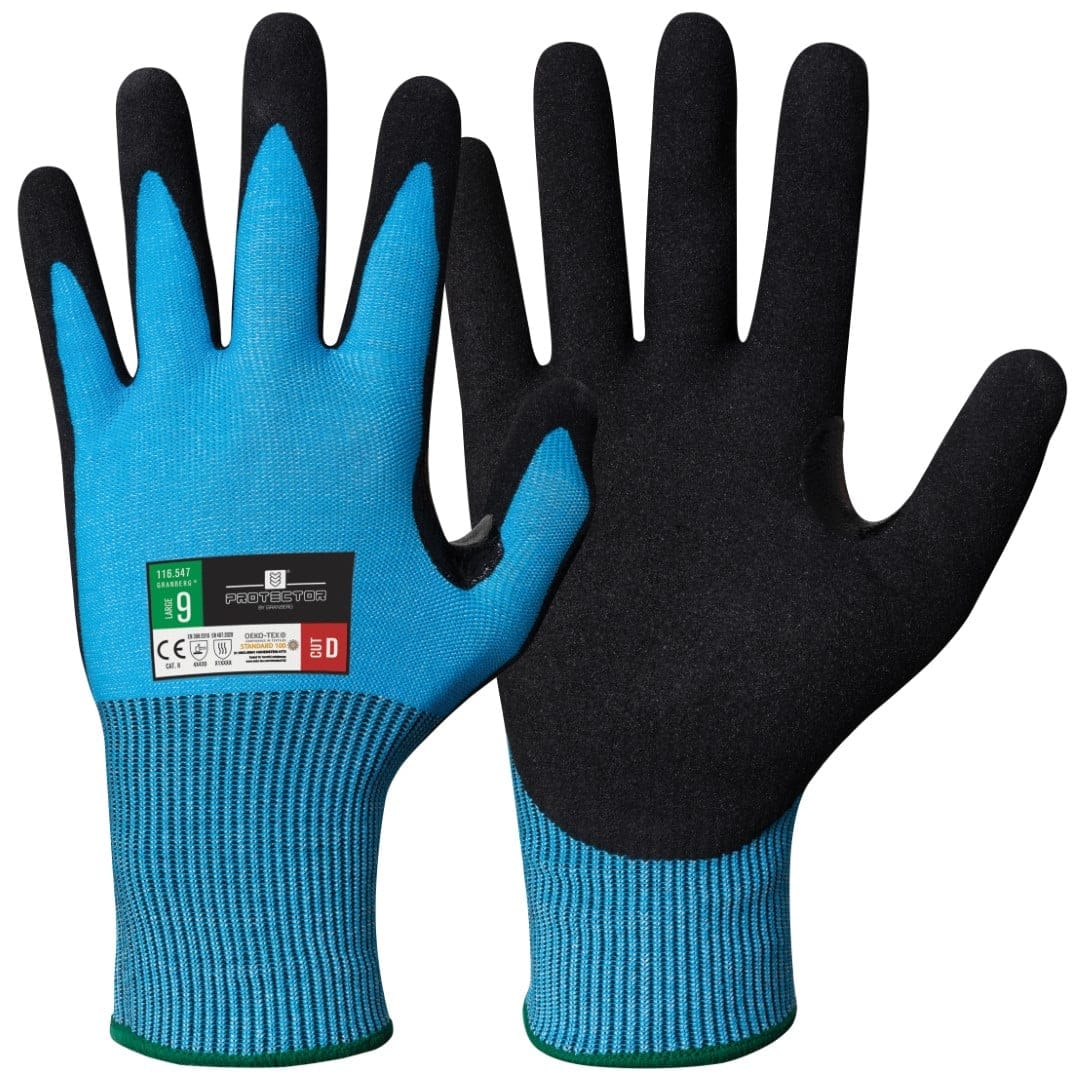
- GRANBERG 547: Cut Level D Sandy Nitrile Grip Gloves
- GRANBERG 599: Level F Cut-Resistant Gloves for Oily Work
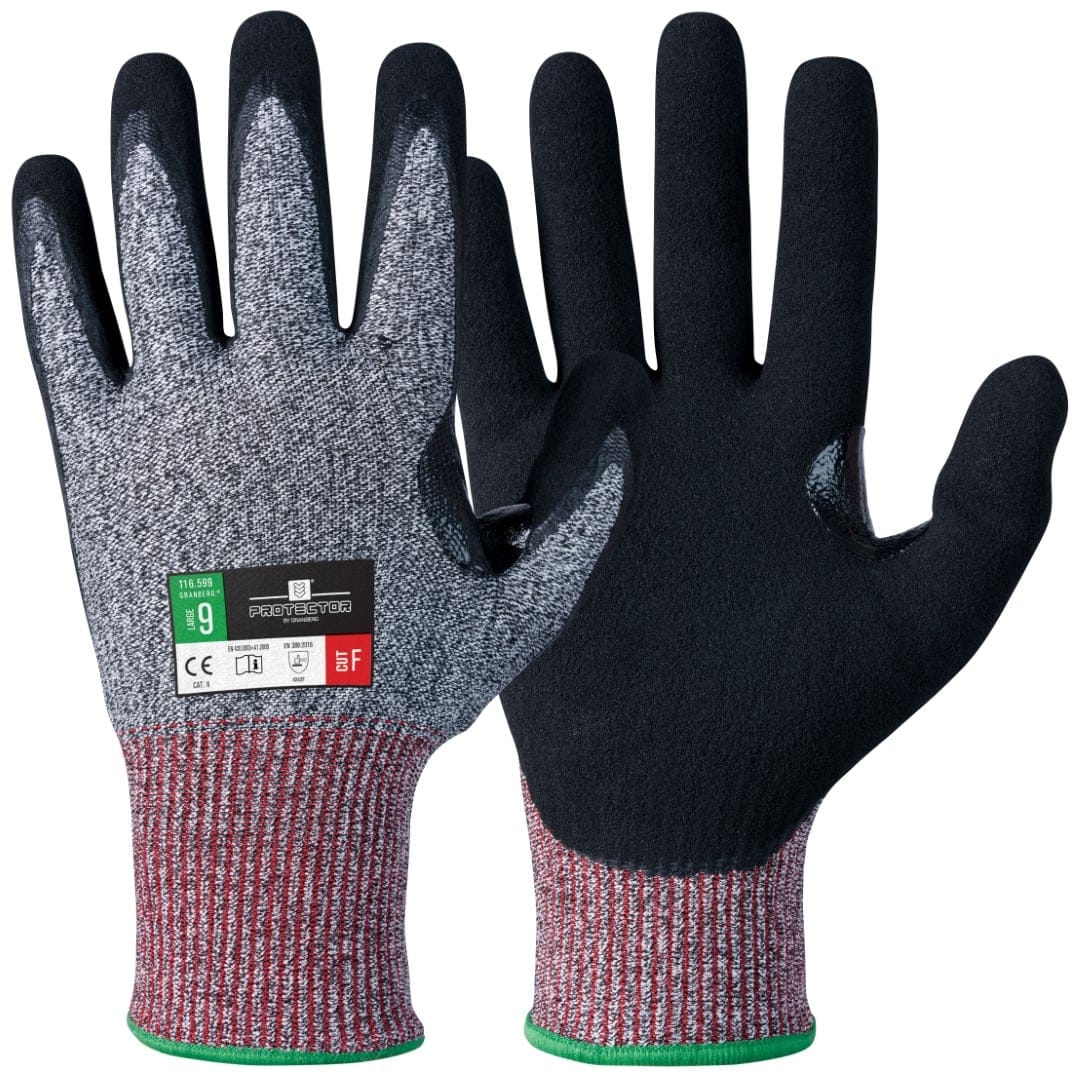
- GRANBERG 5502: Impact Gloves with Oil Grip
- GRANBERG EX 3270W: Winter Cut & Impact Work Gloves

- GRANBERG 1024 Gloves: Cut & Heat Resistant Work Gloves
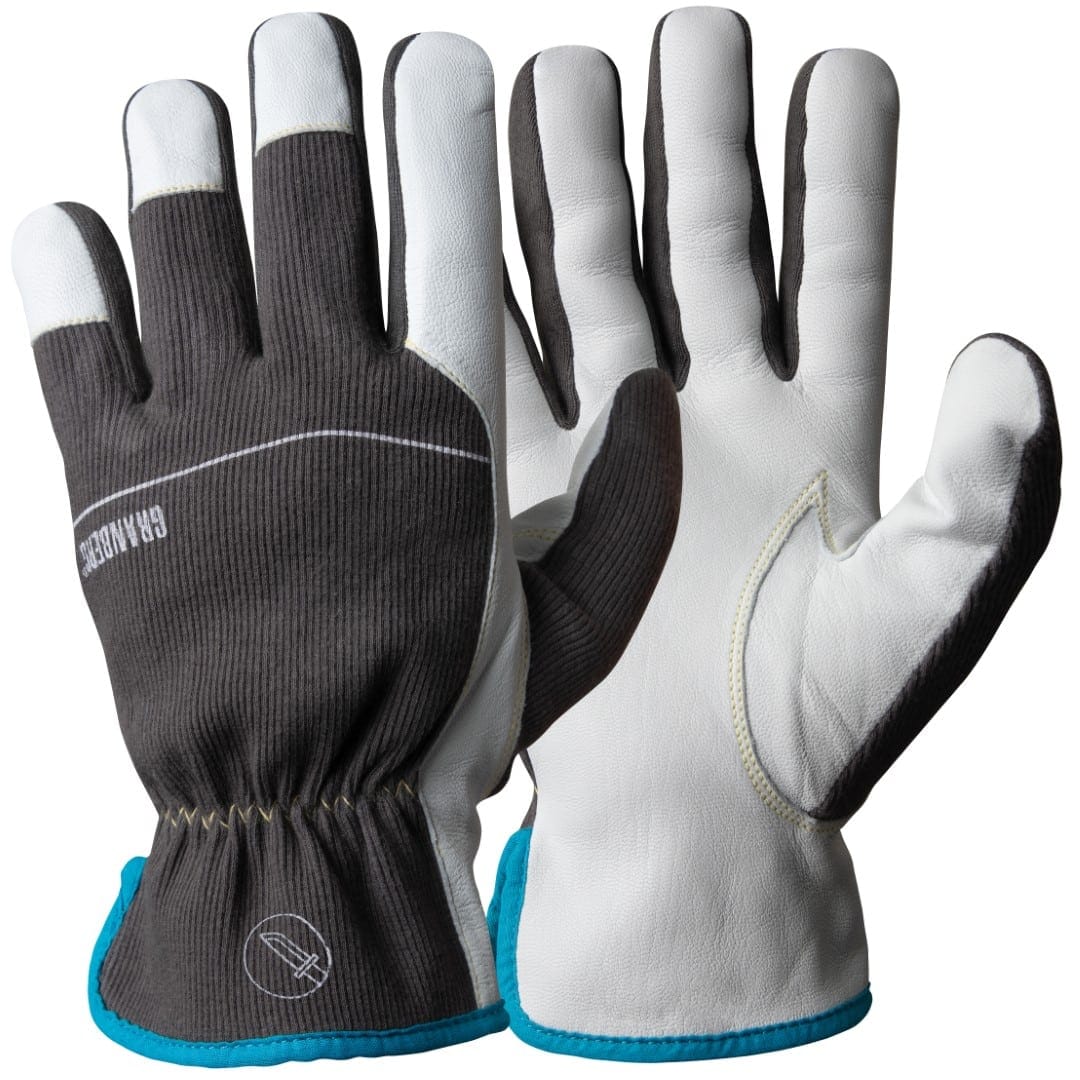
- GRANBERG 1023: Kevlar Lined Goatskin Gloves
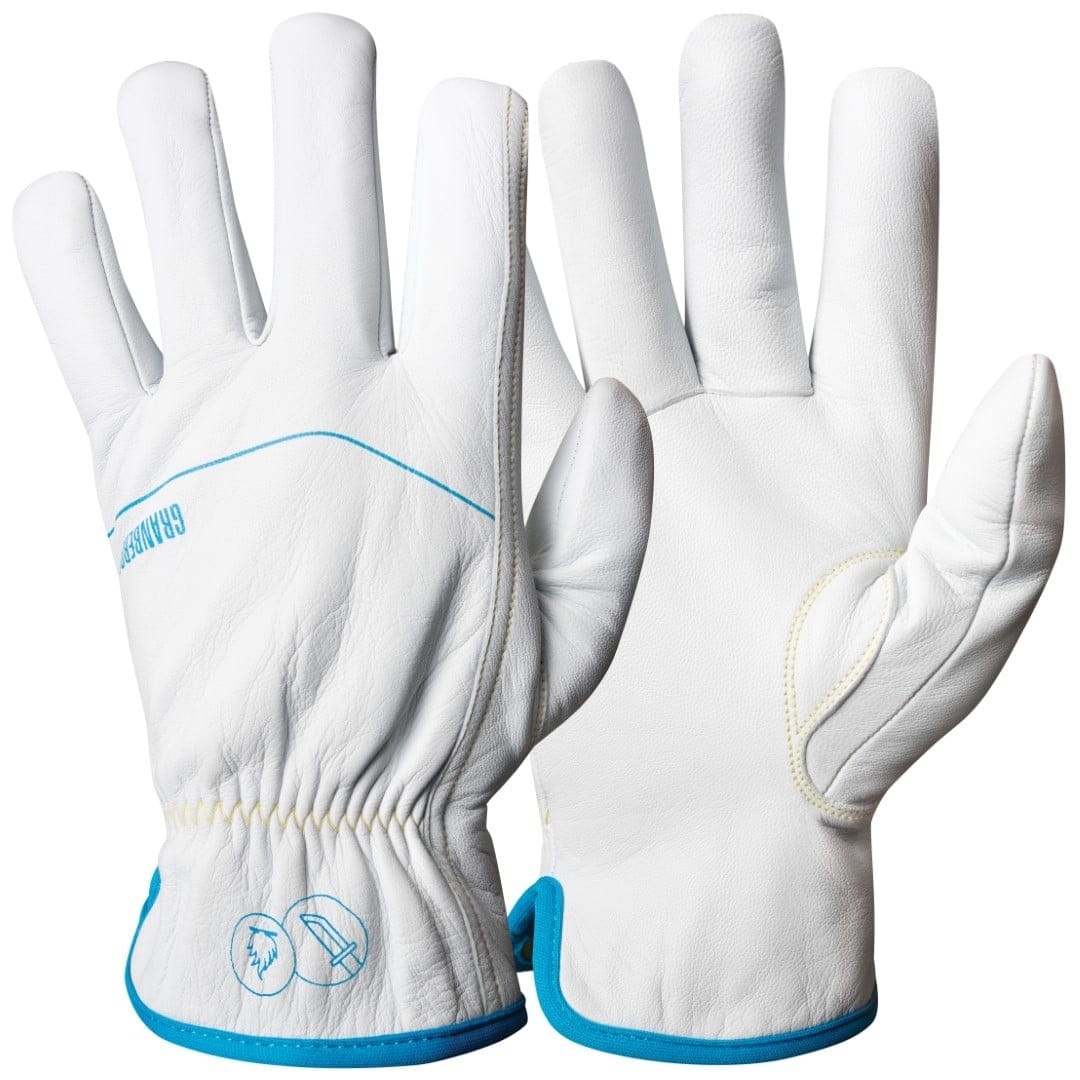
- GRANBERG 5503: Cut & Impact Gloves for Oily Conditions
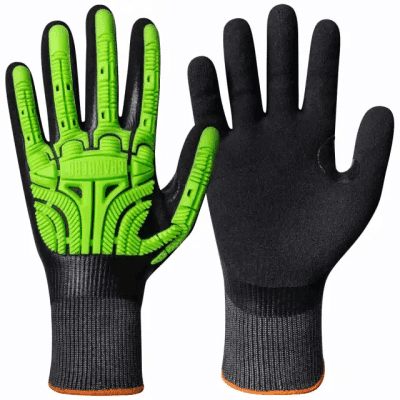
- GRANBERG EX 3250: High Cut & Impact Resistant Gloves
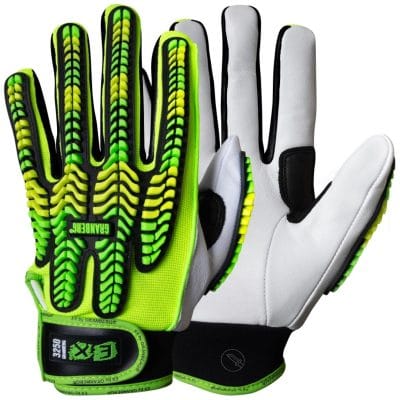
- GRANBERG 5501: Heavy-Duty Cut & Impact Gloves
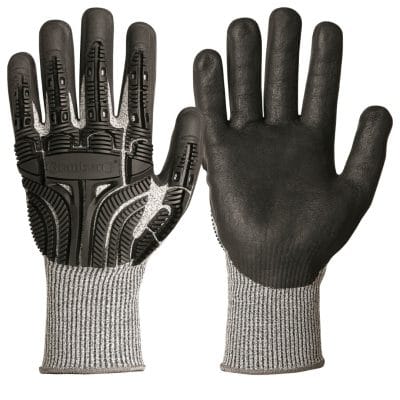
- GRANBERG 1191: Kevlar® Cut-Resistant Goatskin Gloves
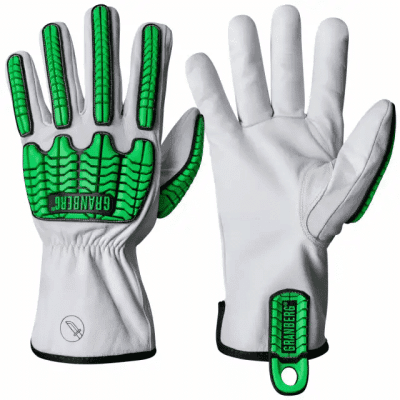
- GRANBERG 9001: Cut & Impact Gloves, Previous Spec Clearance
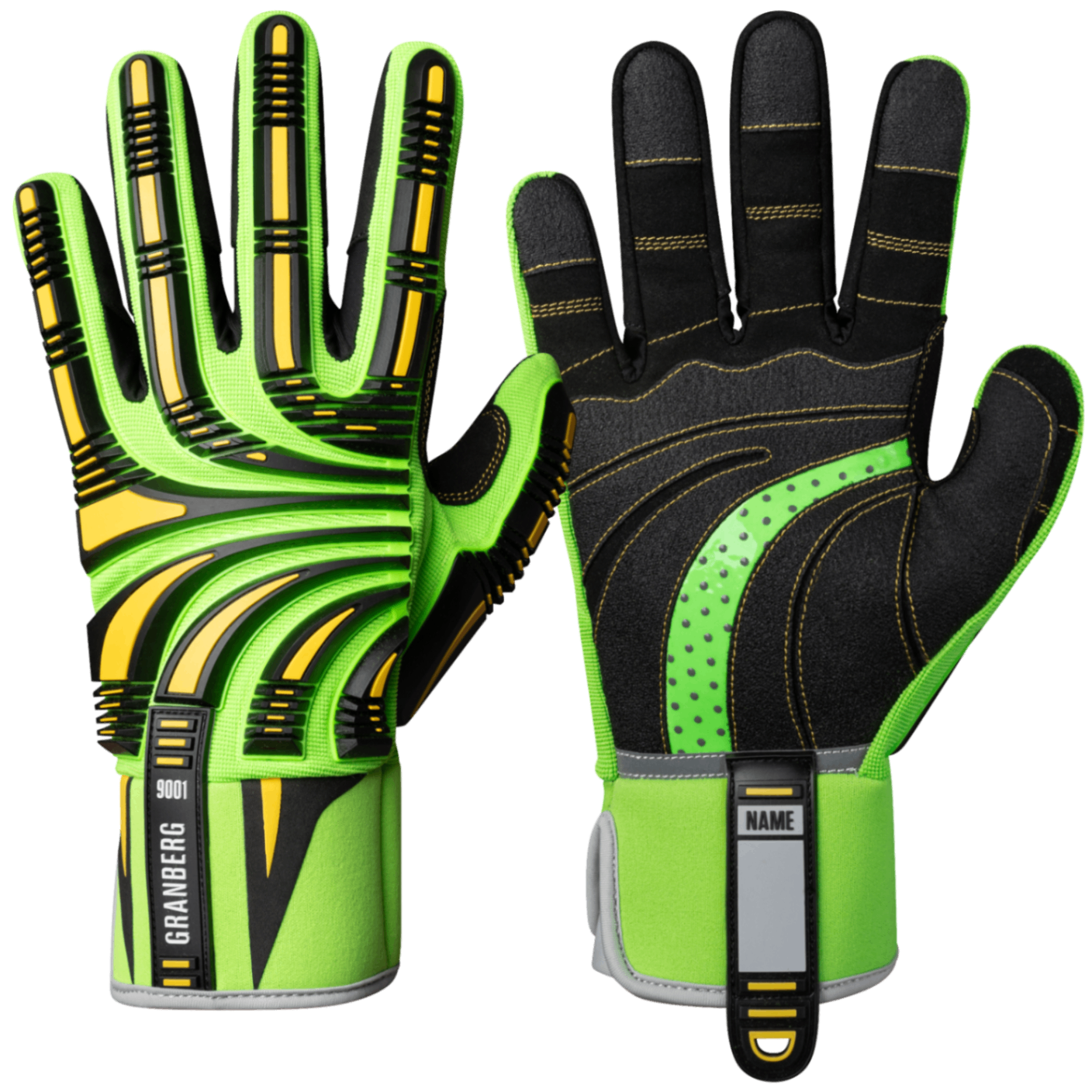
- GRANBERG 8090: Chemical, Cut & Impact Gloves, 35 cm
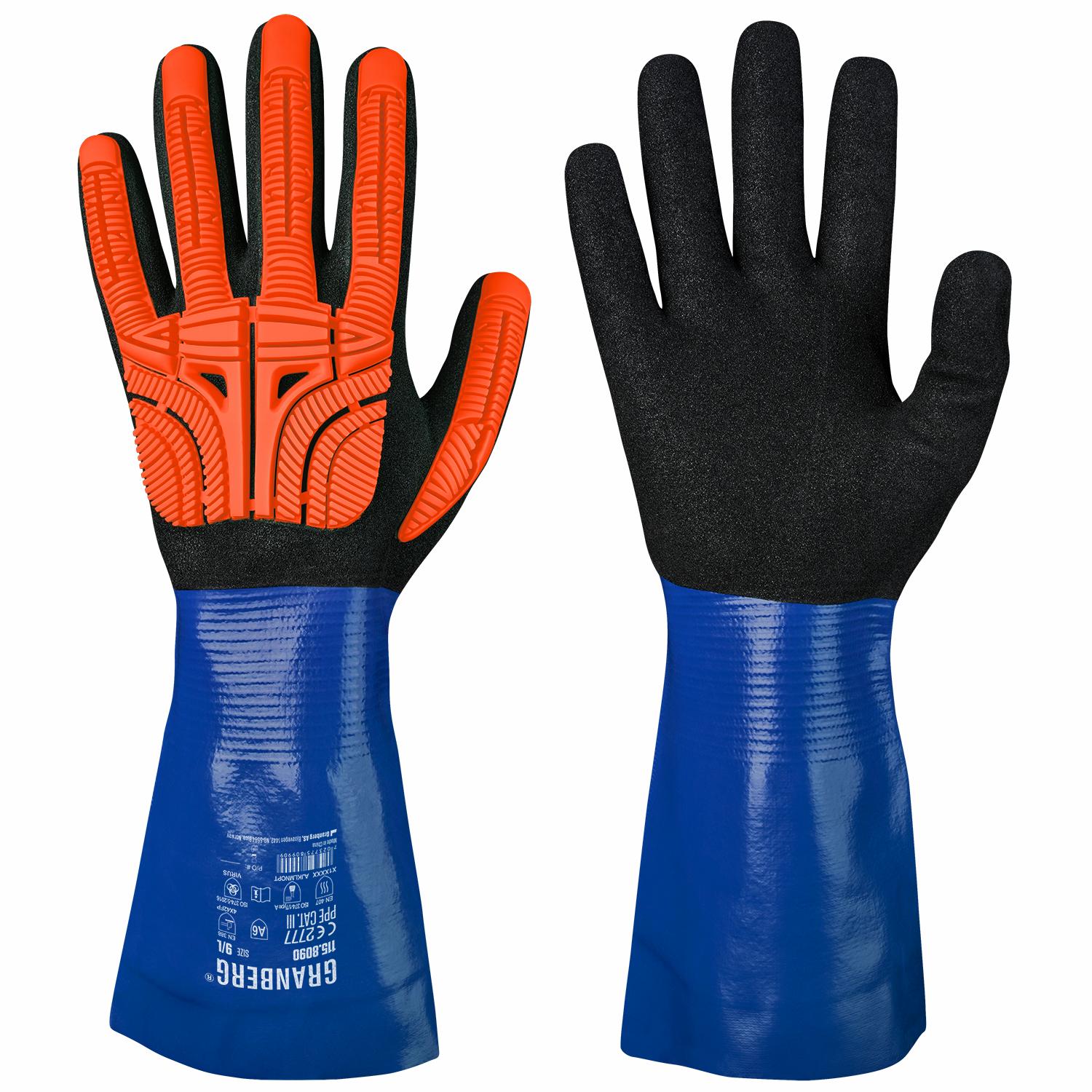
- GRANBERG 9001 Kozane: Cut Level F Impact Gloves
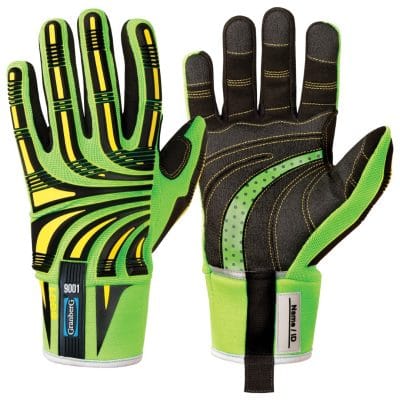
- GRANBERG 6060: Chemical & Impact Nitrile Gloves, 39 cm
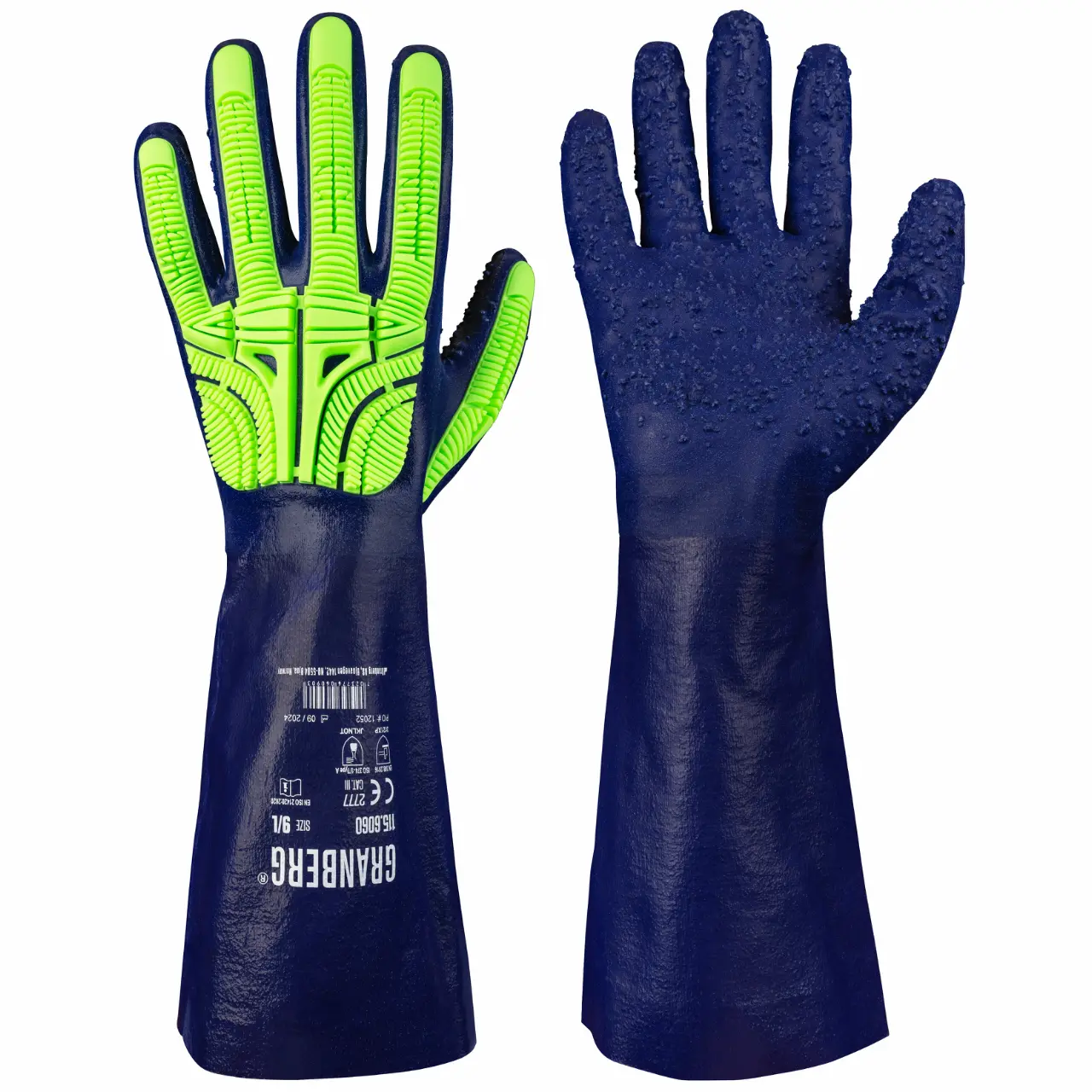
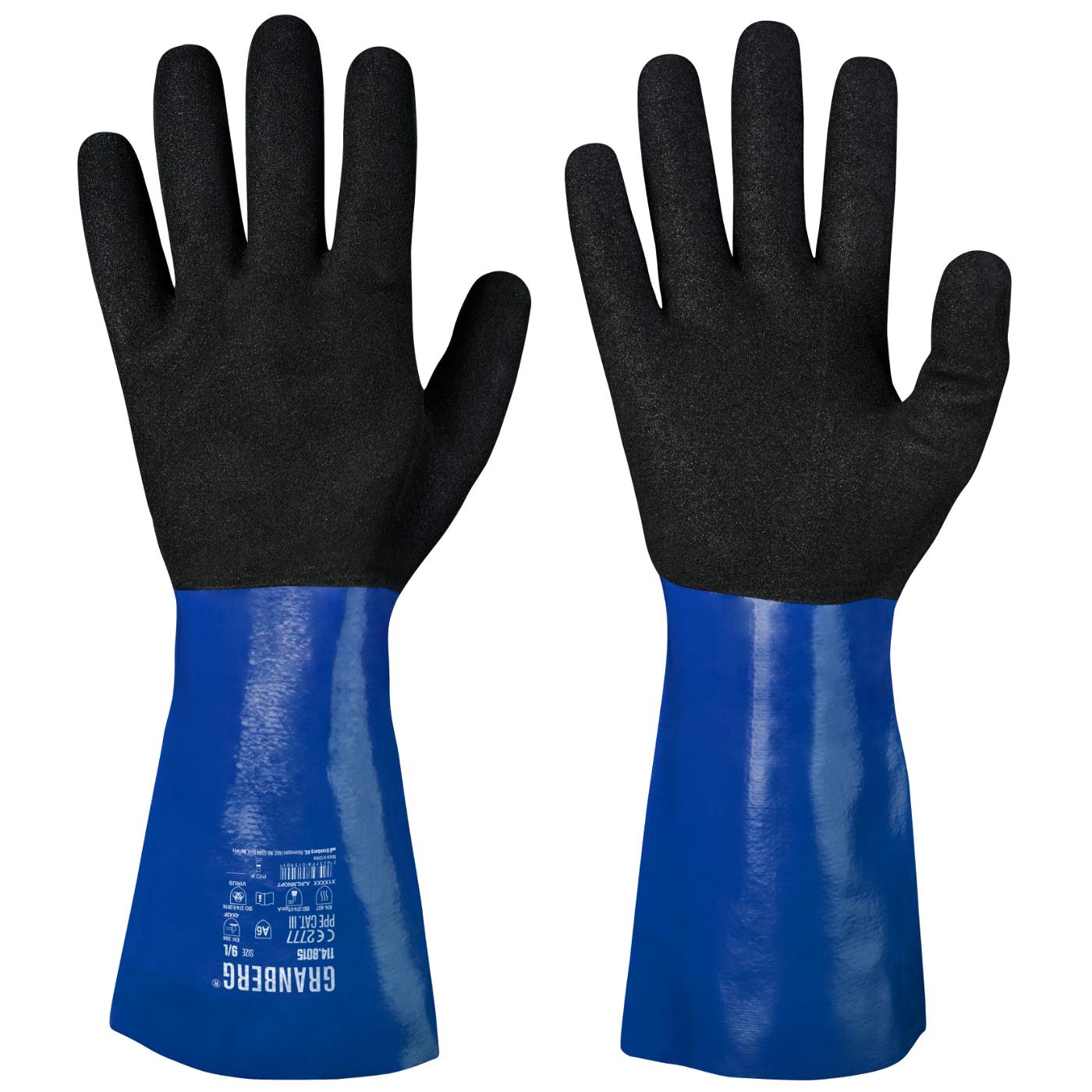
- GRANBERG 8015: Cut & Chemical-Resistant Nitrile Gloves
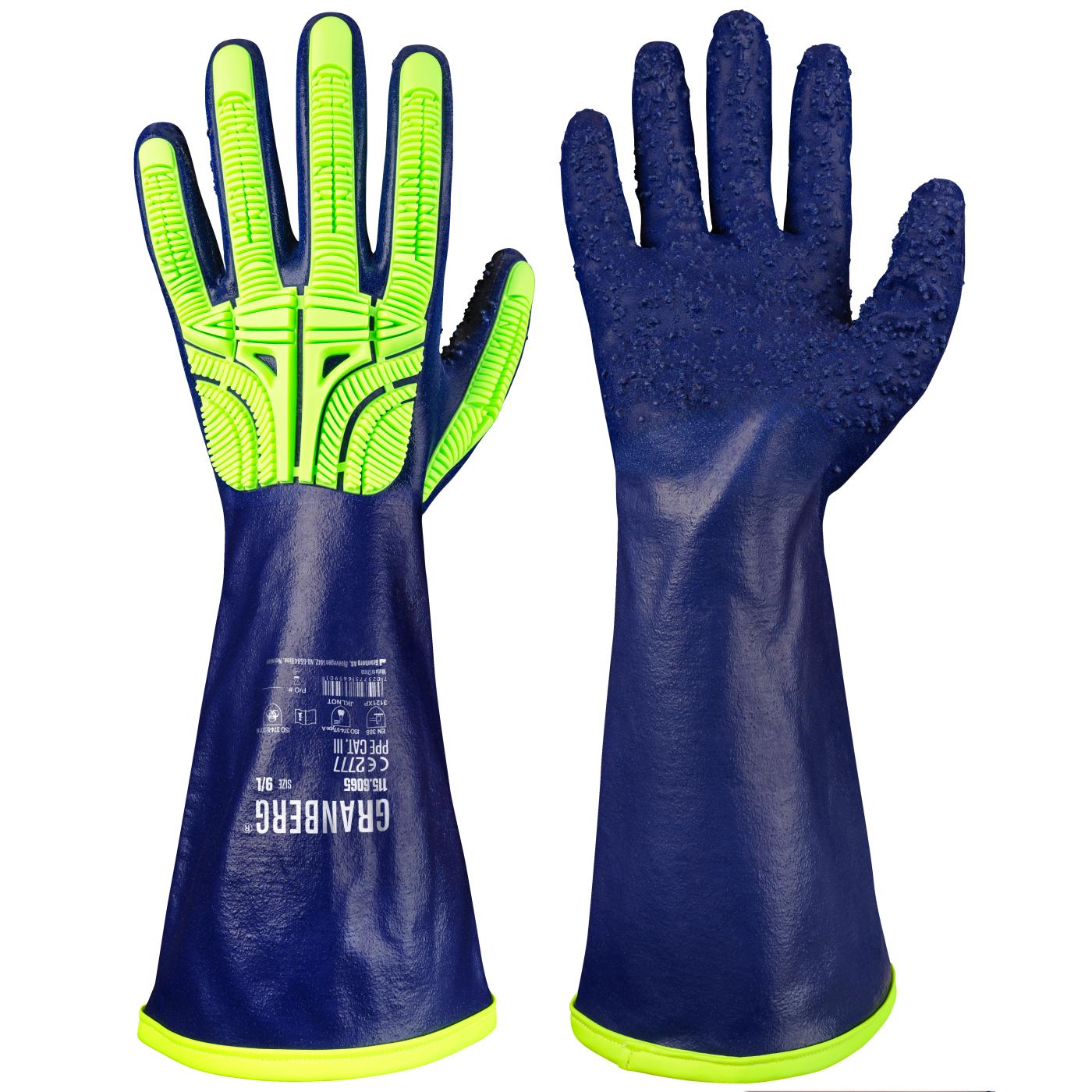
- GRANBERG 6065: Chemical & Impact Winter Gloves
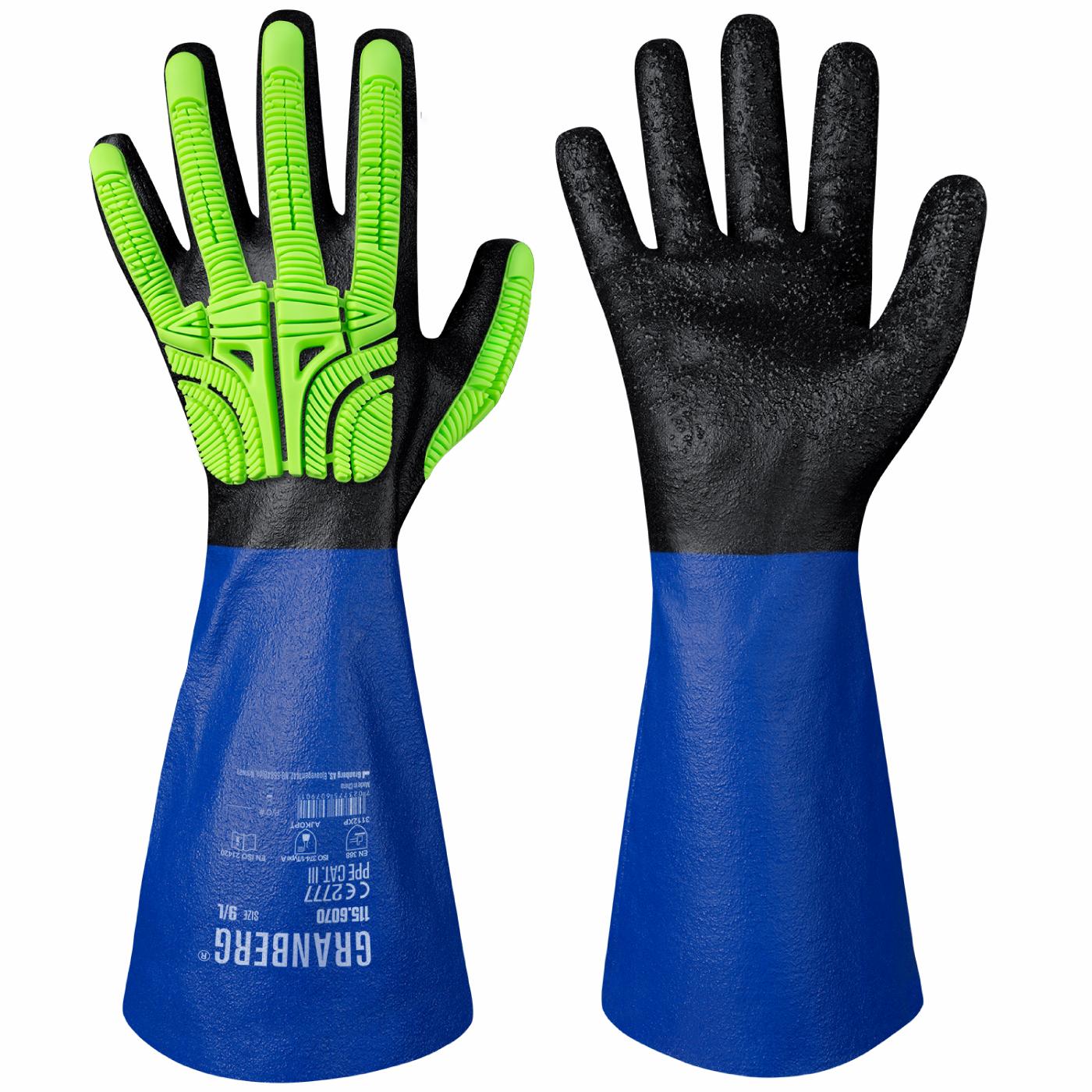
- GRANBERG 6070: Chemical & Impact Gloves, Methanol Resistant
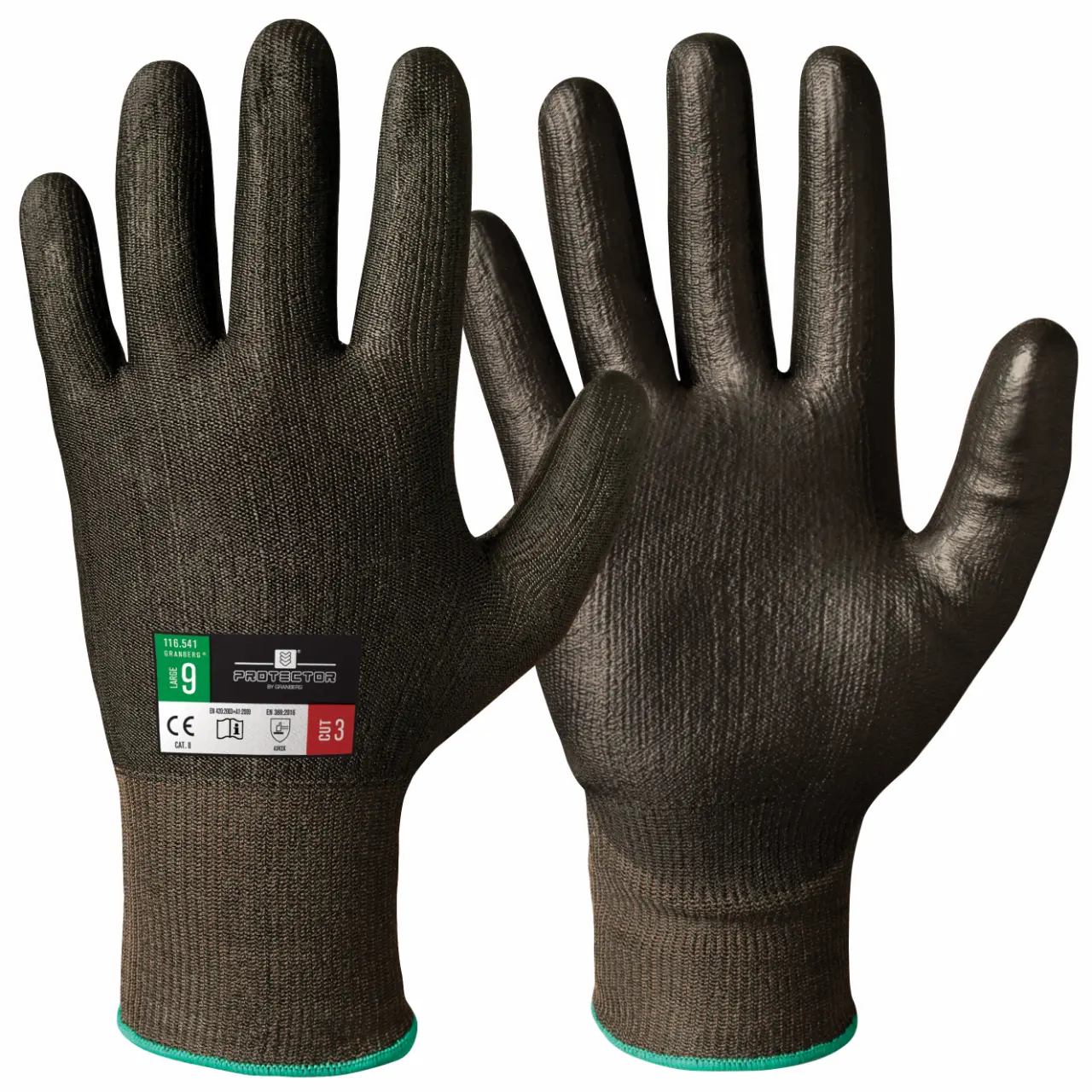
- GRANBERG 541: Ultra-Thin Cut-Resistant Assembly Gloves
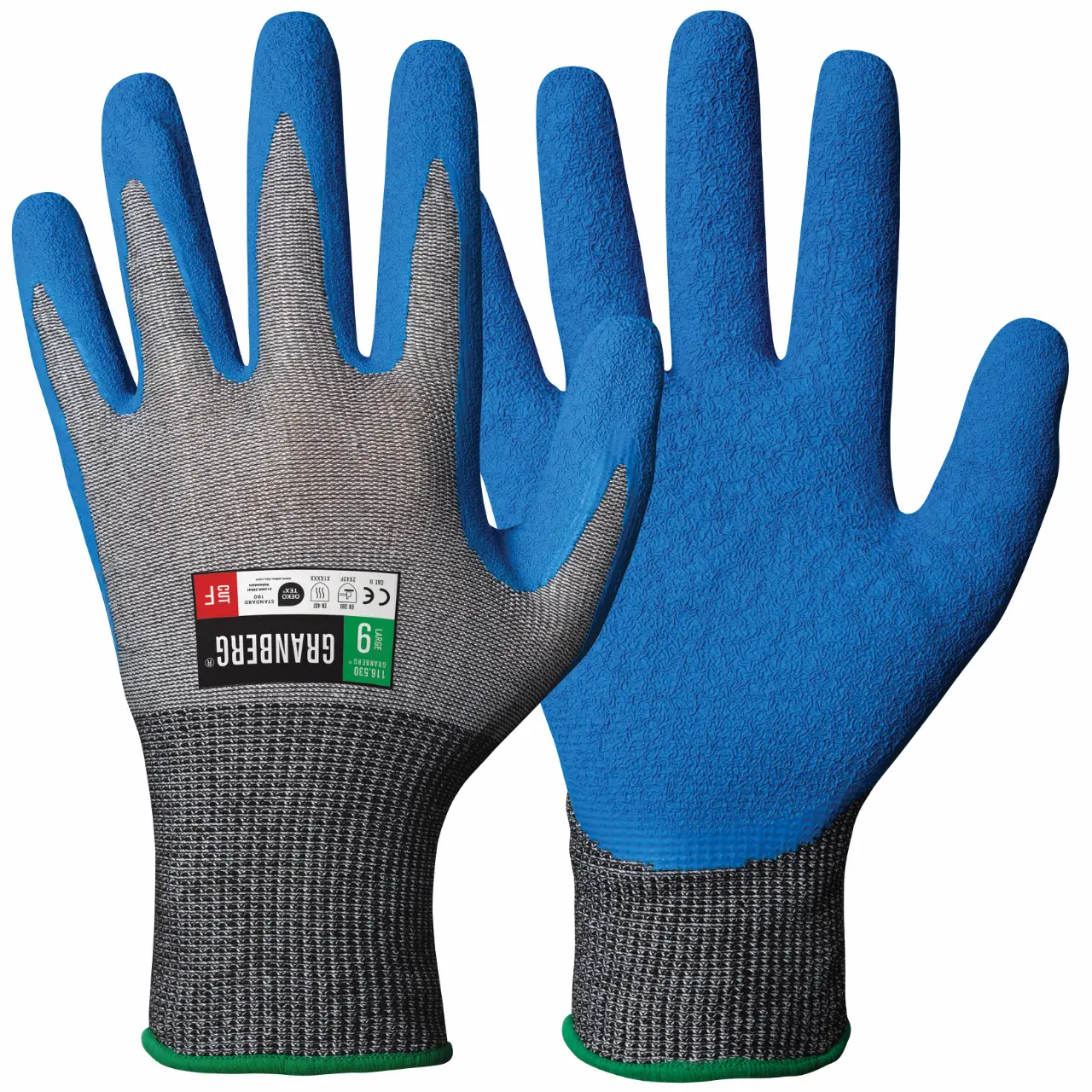
- GRANBERG 530: Cut Level F Latex-Coated Gloves
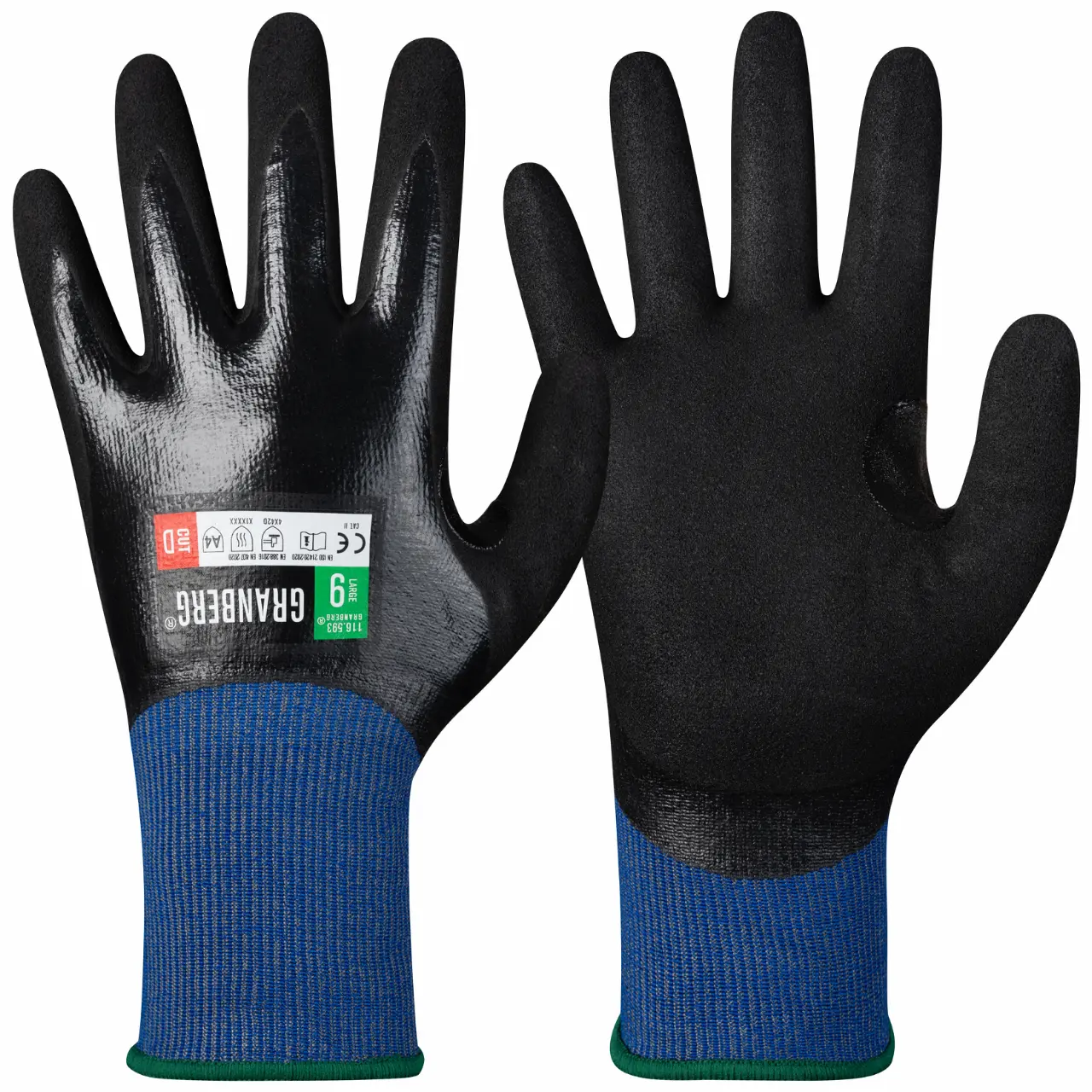
- GRANBERG 593: Cut D Sandy Nitrile Waterproof Gloves
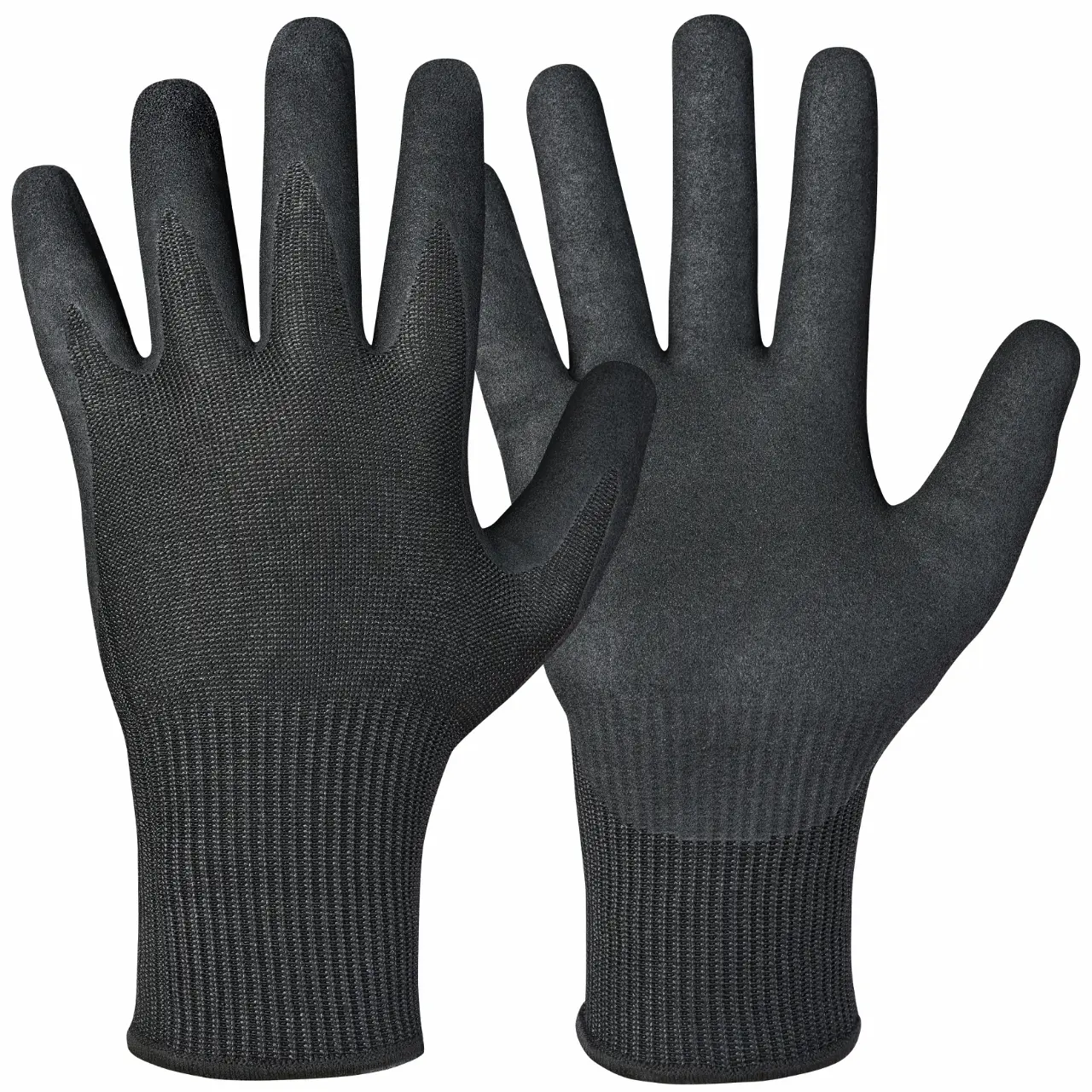
- GRANBERG 597: Cut Level F Nitrile-Grip Gloves
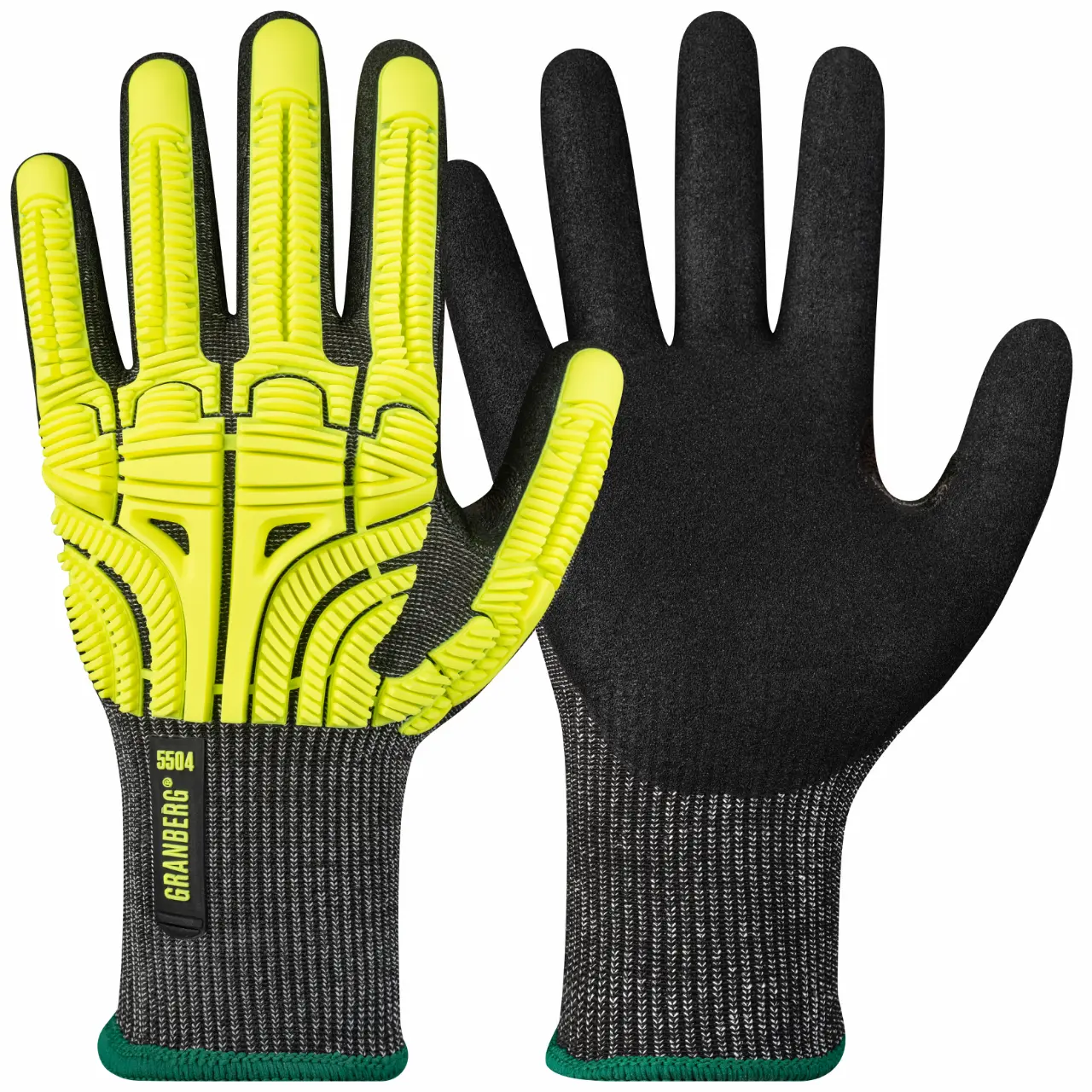
- GRANBERG 5504: Cut D Impact Gloves, Full Nitrile Coat
- GRANBERG 1025: Kevlar Lined Heat-Resist Gloves
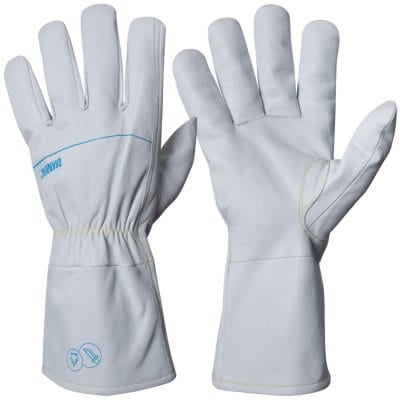
- GRANBERG EX 4999W: Waterproof Winter Cut Gloves
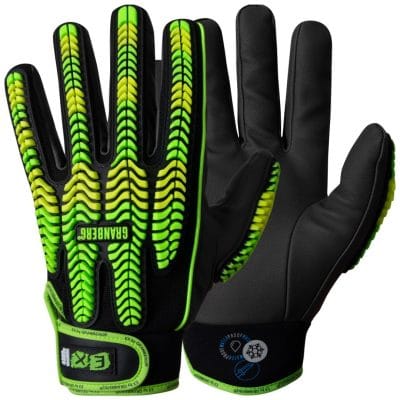
- GRANBERG EX 3260: Cut and Impact Work Gloves
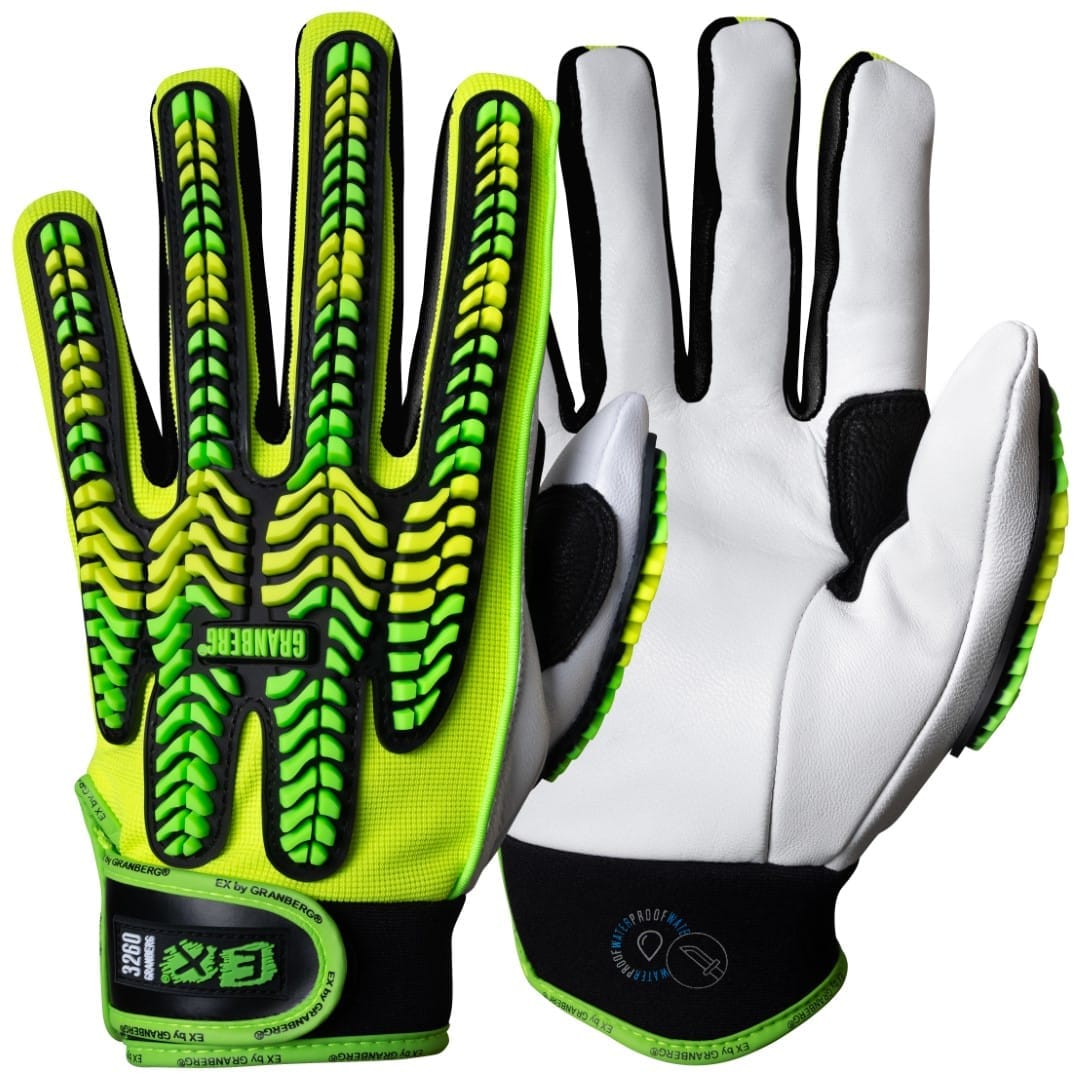
- GRANBERG 592: Touchscreen Cut-Resistant Gloves
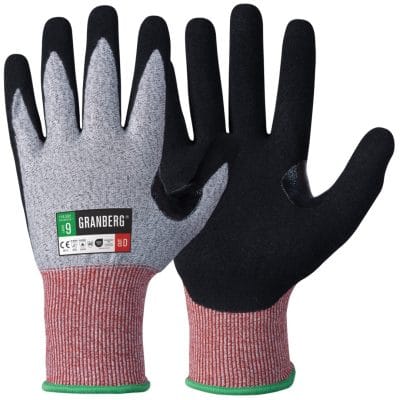
- GRANBERG EX 3280: Cut & Impact Work Gloves (Dry Use)
Frequently asked questions
Are leather or coated gloves better for construction?
It depends on the task. Leather suits rough, heavy handling such as rebar and demolition. Coated knit gloves give better dexterity and breathability for fixing, fastening and finishing work, and can carry high cut ratings.
What cut level do I need for sheet metal?
A common starting point for sheet metal is EN 388 cut level D or higher, or ANSI A4 or higher on lines that carry an ANSI rating. Glazing and fresh cut edges usually justify level E or F.
What does the first number in an EN 388 marking mean?
The first digit is the abrasion rating, from 1 to 4. A 4 means the glove material survived the highest number of abrasion cycles in the test.
What does EN 511 measure on a winter glove?
EN 511 rates protection against convective cold and contact cold, and records whether the glove resists water penetration. Each result appears as a digit in the marking.
How are the gloves on this page chosen?
The list is built by rule: every glove in the Industrial range in the impact resistant, cut resistant or all round subcategories, plus winter gloves that also carry an impact or cut rating, excluding knitted liners, chemical gauntlets without an impact or cut rating, and food processing, healthcare and single use lines.
Related glove types
Cut Resistant gloves · Impact Protection gloves · Winter & Cold gloves · Assembly & ESD gloves
Safety Gloves for Mining · Oil and Gas Safety Gloves
Send us the tasks and hazards and our team will put together a specification and carton pricing. Request a quote, check the glove sizing guide, or browse the full glove catalog.