Utility Work Gloves
Utility crews work outdoors in every season, handling cable, conduit, fittings and tools, often in trenches and tight spaces. Cut, abrasion, impact and cold all show up in one week, and some tasks add electrical arc hazards. This guide covers the main hazards and how to specify, followed by every glove in the range that meets the utilities selection rule.
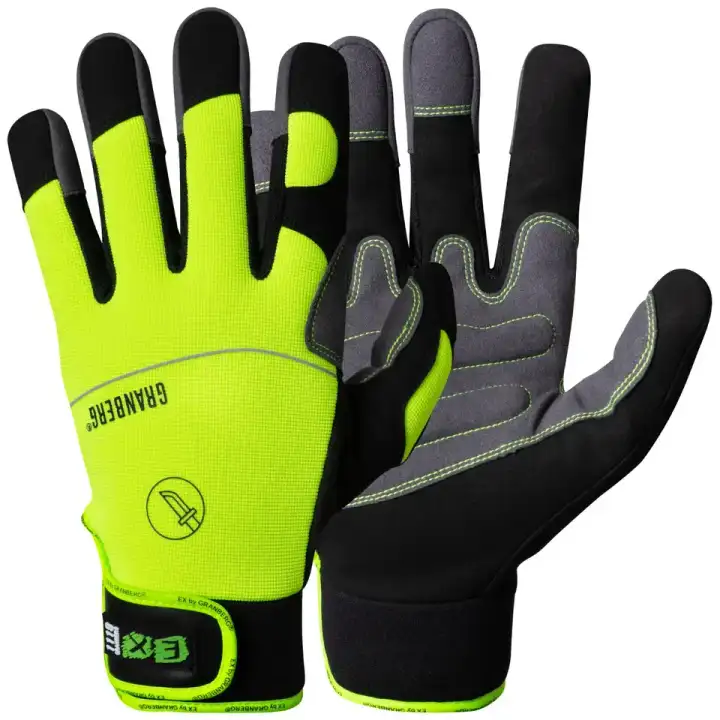
Hero glove: GRANBERG 592: Touchscreen Cut-Resistant Gloves
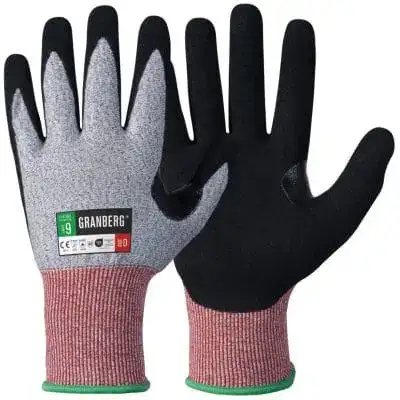
Rated ANSI A6 and EN 388 4X43D, a high cut level for stripping cable and handling conduit and fittings.
Request a sample · Request a quote
Also consider: GRANBERG 589 Class 0 Insulating Gloves

For live electrical work up to 1000 V AC, the 589 is a Class 0 natural rubber insulating glove tested to EN 60903, and it is arc flash tested to GS-ET-42-1 with an ATPV of 8.5 cal/cm².
Request a sample · Request a quote
Cable, conduit and pipe: cut and abrasion
Stripping cable, cutting conduit and handling fittings produce sharp edges and rough surfaces. A common starting point is EN 388 cut level D or higher, or ANSI A4 or higher on lines that carry an ANSI rating. Move up for fresh edges and constant handling. For a full explanation, read how to read EN 388 and ANSI cut levels.
The cut resistant range includes coated knit gloves that keep fingertip feel for connectors and small parts.
Impact and pinch points in trenches and on poles
Hands get knocked against rock, pipe flanges and equipment. Impact gloves add molded TPR guards over the knuckles and the backs of the fingers. Under EN 388, a P at the end of the marking shows the glove passed the knuckle impact test. See the impact glove range.
Cold weather and wet ground
Winter work needs insulation and a waterproof layer. Look for an EN 511 rating, and check whether the winter gloves also carry impact or cut protection. The winter range covers the options.
Arc hazards and electrical work
Some gloves in the range list ASTM F2675 on their product page. Arc gloves are only one part of an electrical safety program, and they do not replace your site rules or the required insulating equipment. Follow your employer's arc flash assessment, and read the product page for the standards listed for each glove. See also the construction and municipal and waste pages. To discuss a specification, request a quote.
Gloves for utilities
- GRANBERG 9002: Extreme Cut & Impact Work Gloves
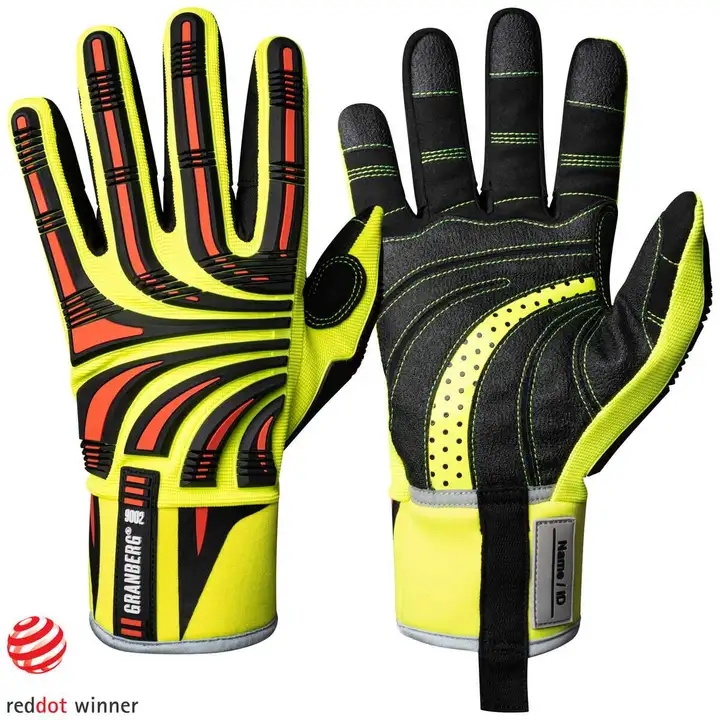
- GRANBERG 9007 Gloves: Cut & Impact Protection Gear
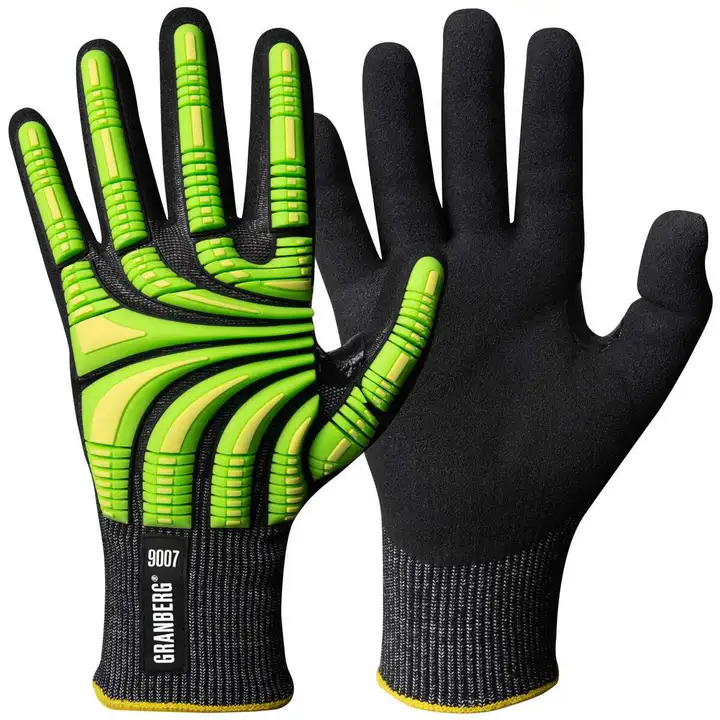
- GRANBERG 0995 Gloves: Cut Resistant Assembly Gloves
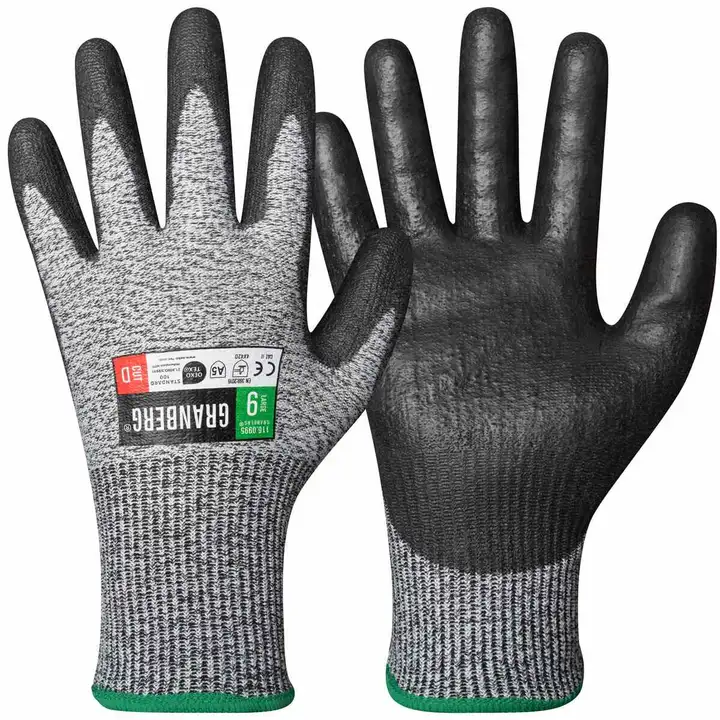
- GRANBERG 1190: Arc Flash, Cut and Impact Work Gloves
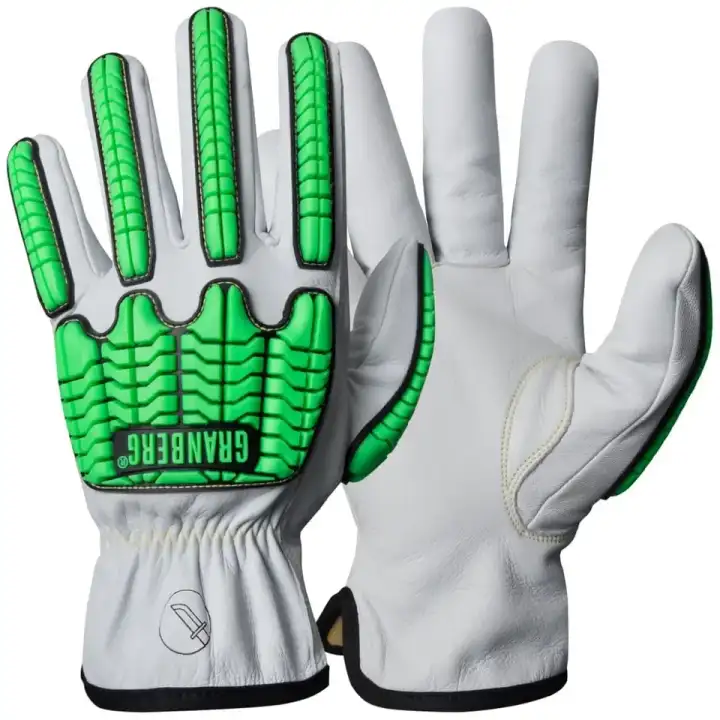
- GRANBERG 580: Thermal Cut-Resistant Work Gloves
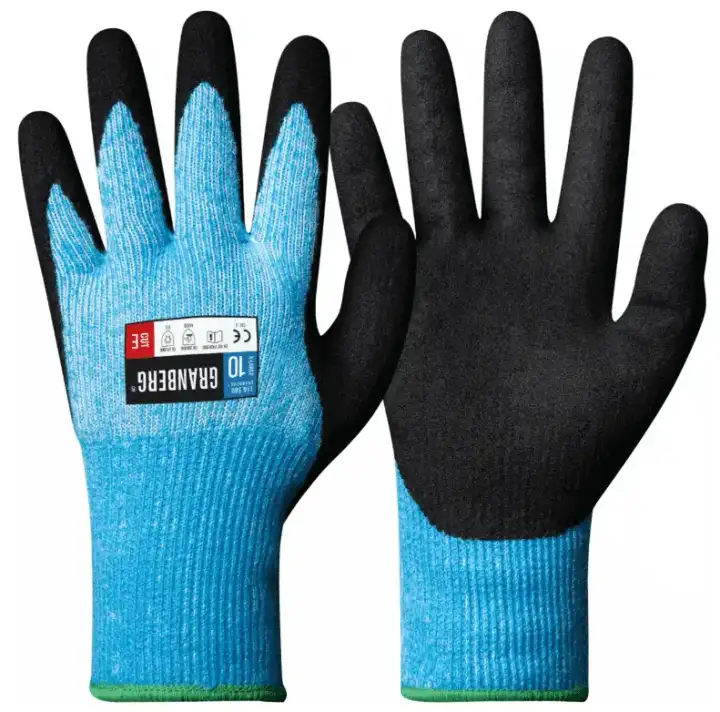
- GRANBERG EX 4997W: Winter Cut-Resistant Work Gloves
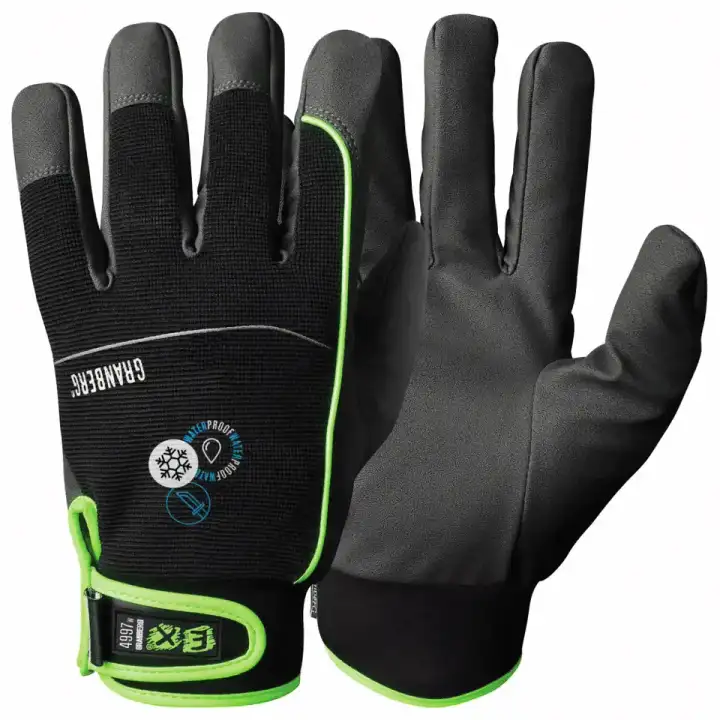
- GRANBERG 547: Cut Level D Sandy Nitrile Grip Gloves
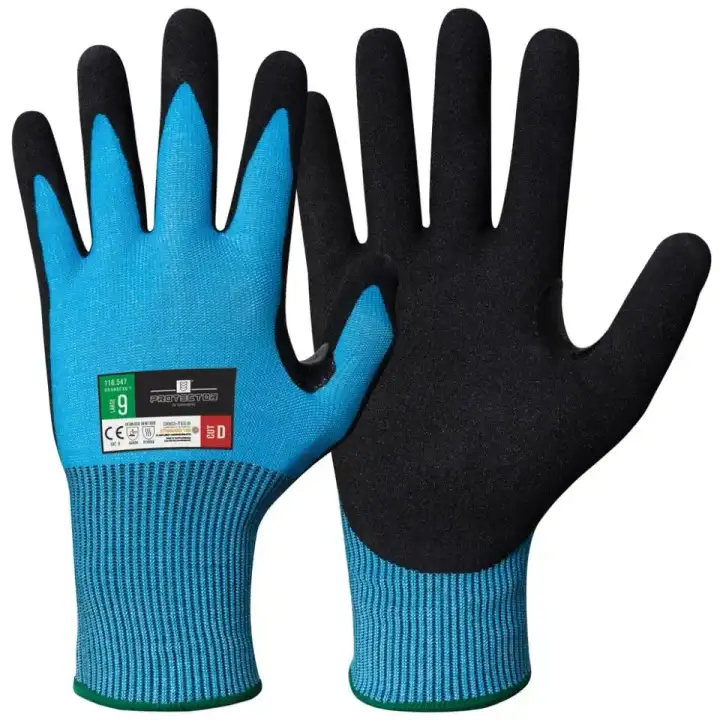
- GRANBERG 599: Level F Cut-Resistant Gloves for Oily Work
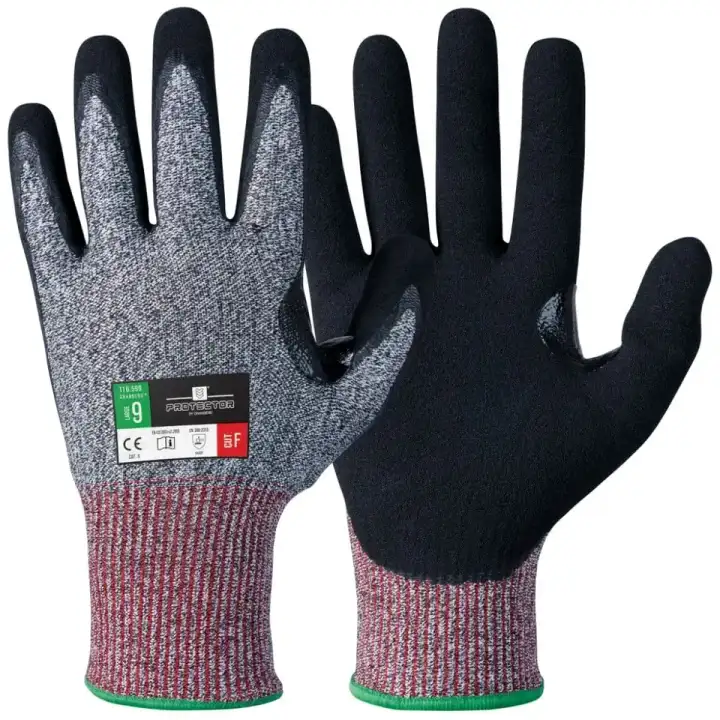
- GRANBERG EX 3270W: Winter Cut & Impact Work Gloves
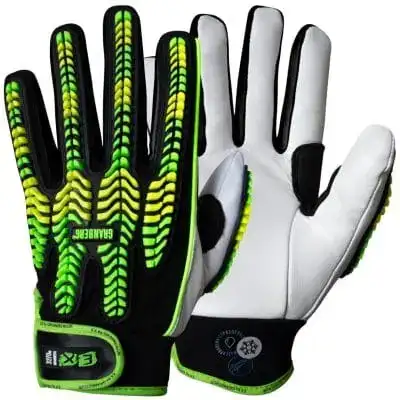
- GRANBERG 1023: Kevlar Lined Goatskin Gloves
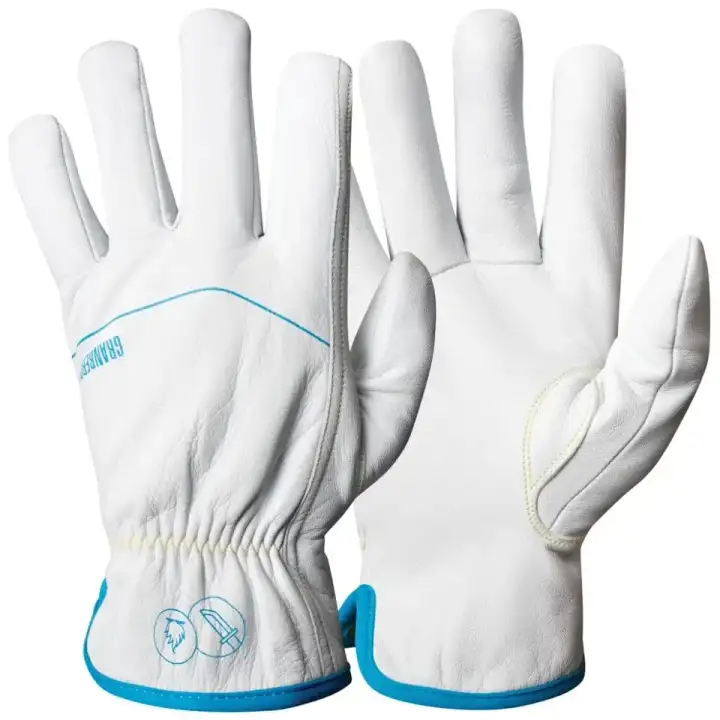
- GRANBERG 5503: Cut & Impact Gloves for Oily Conditions
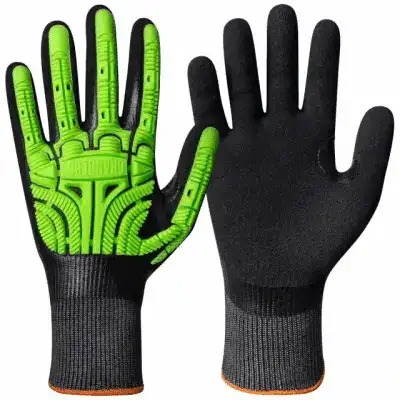
- GRANBERG EX 3250: High Cut & Impact Resistant Gloves
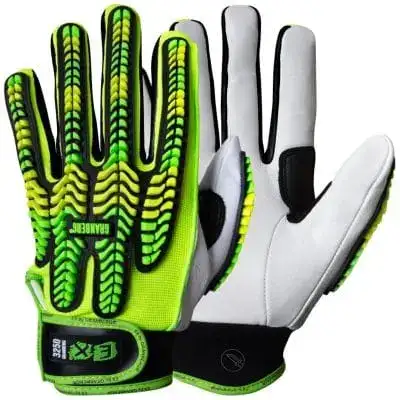
- GRANBERG 1191: Kevlar® Cut-Resistant Goatskin Gloves
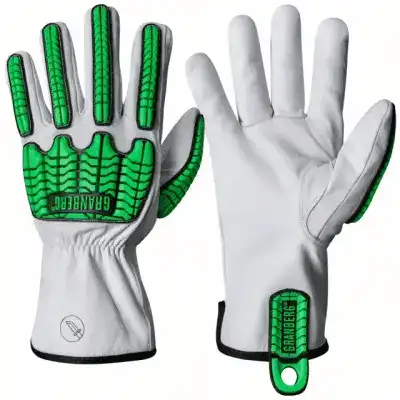
- GRANBERG 9013 Gloves: HF Chemical & Cut Protection
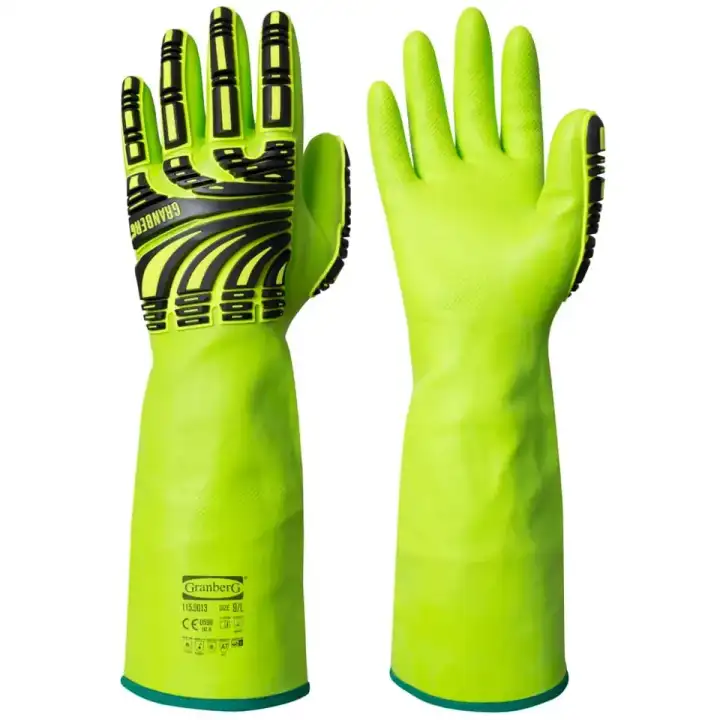
- GRANBERG 8090: Chemical, Cut & Impact Gloves, 35 cm
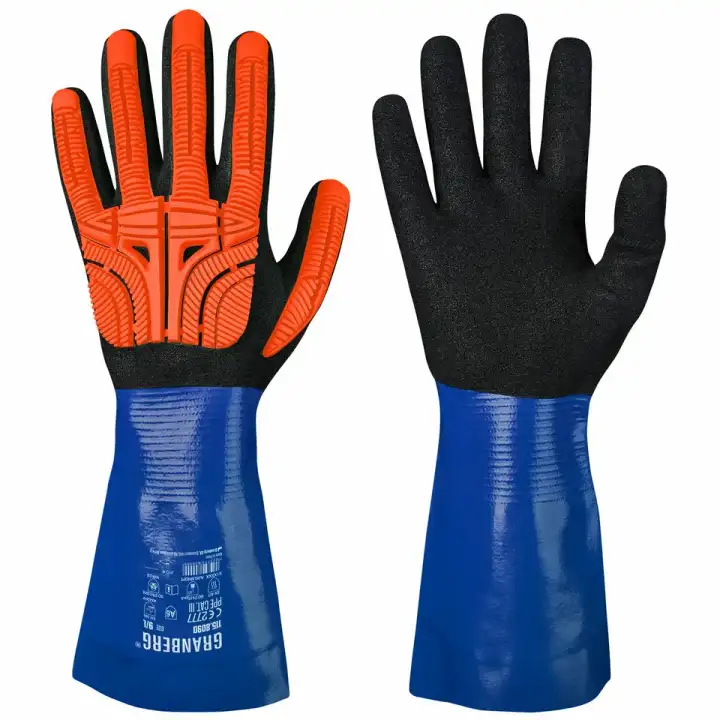
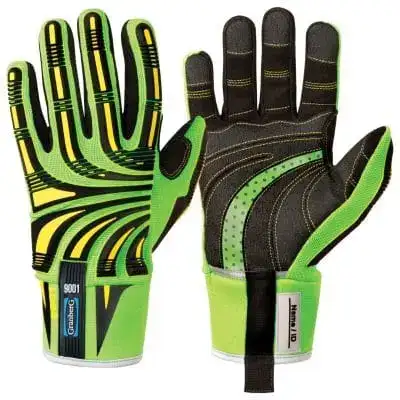
- GRANBERG 9001 Kozane: Cut Level F Impact Gloves
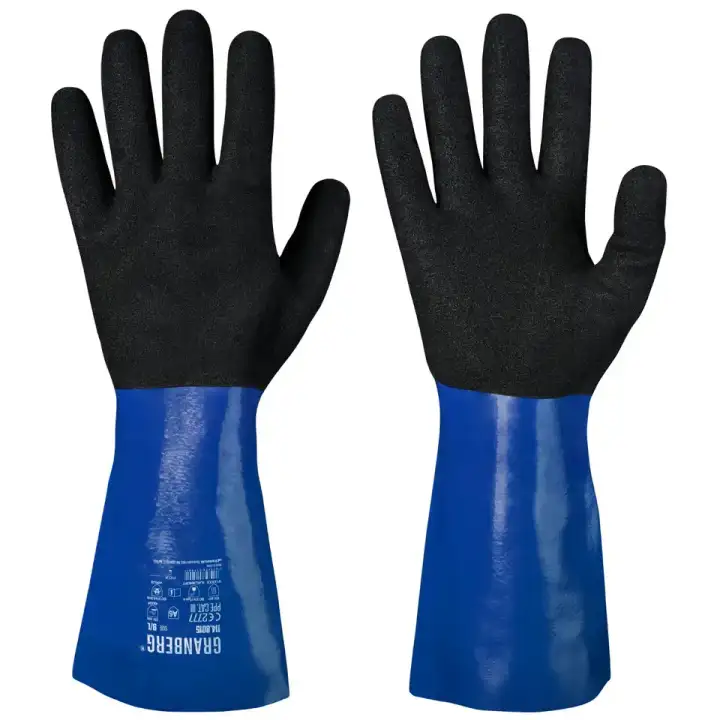
- GRANBERG 8015: Cut & Chemical-Resistant Nitrile Gloves
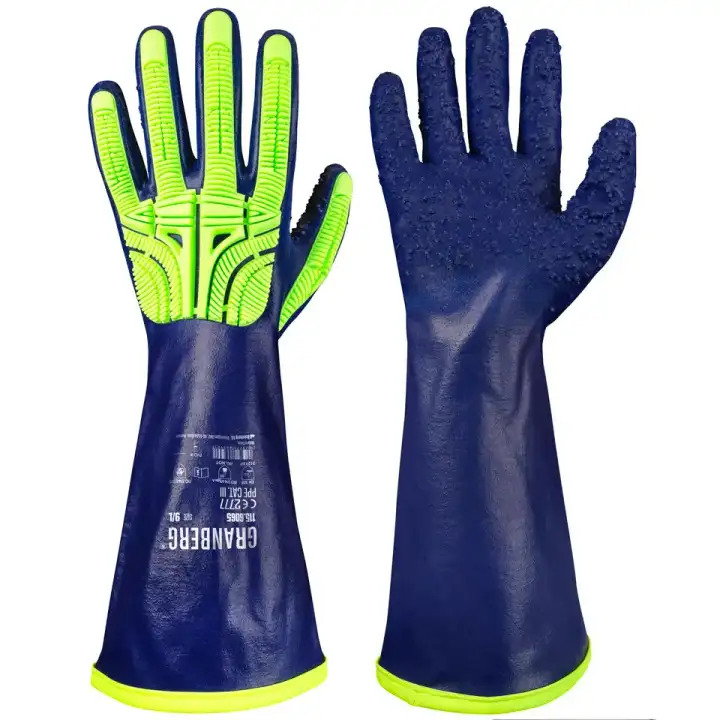
- GRANBERG 6065: Chemical & Impact Winter Gloves
- GRANBERG 589 Class 0 Insulating Gloves
- GRANBERG 530: Cut Level F Latex-Coated Gloves
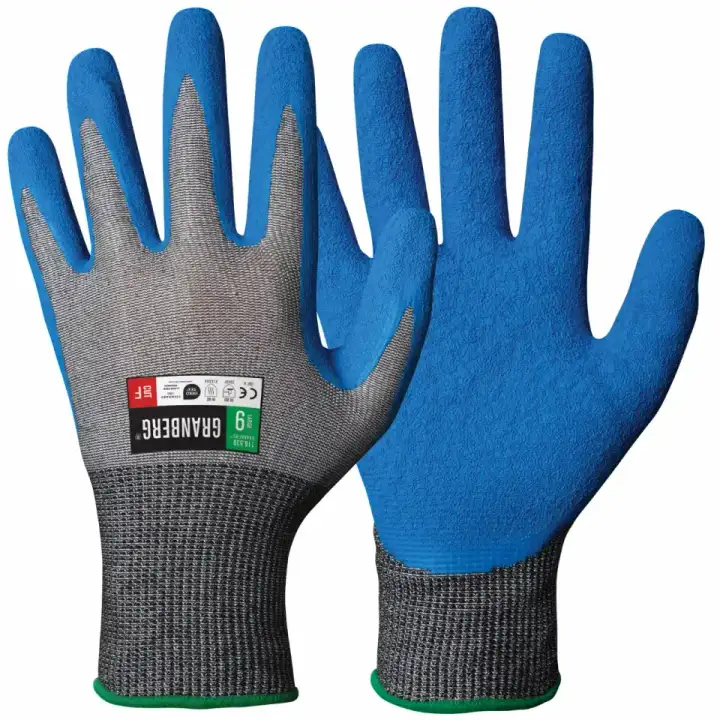
- GRANBERG 593: Cut D Sandy Nitrile Waterproof Gloves
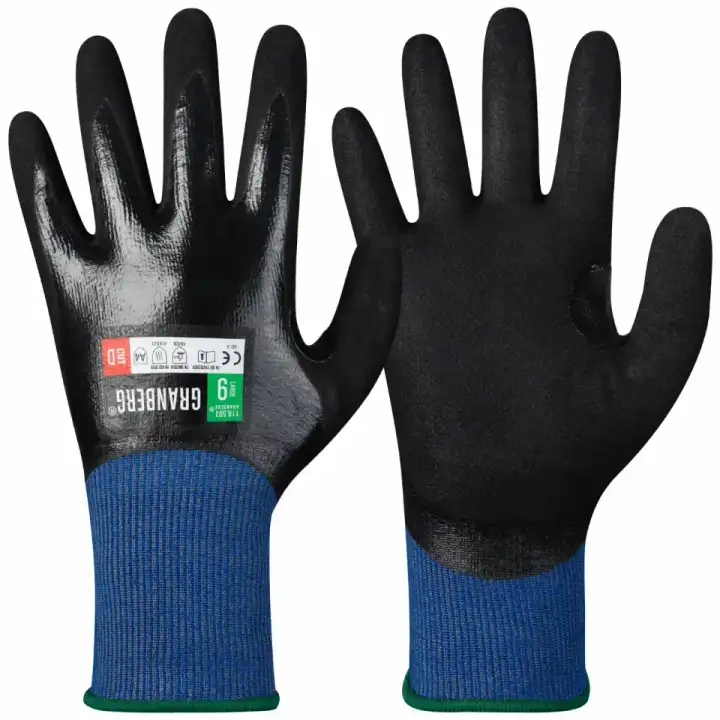
- GRANBERG 597: Cut Level F Nitrile-Grip Gloves
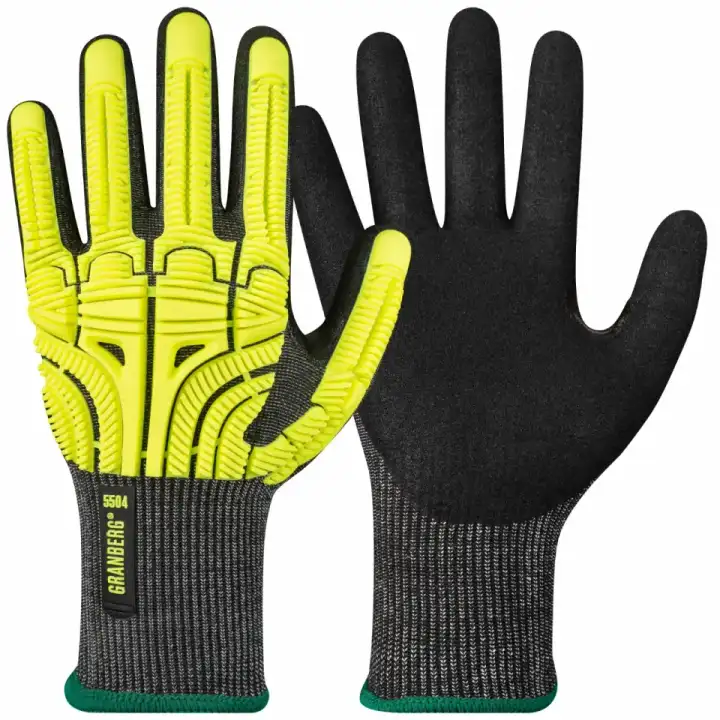
- GRANBERG 5504 Cut D Impact Gloves
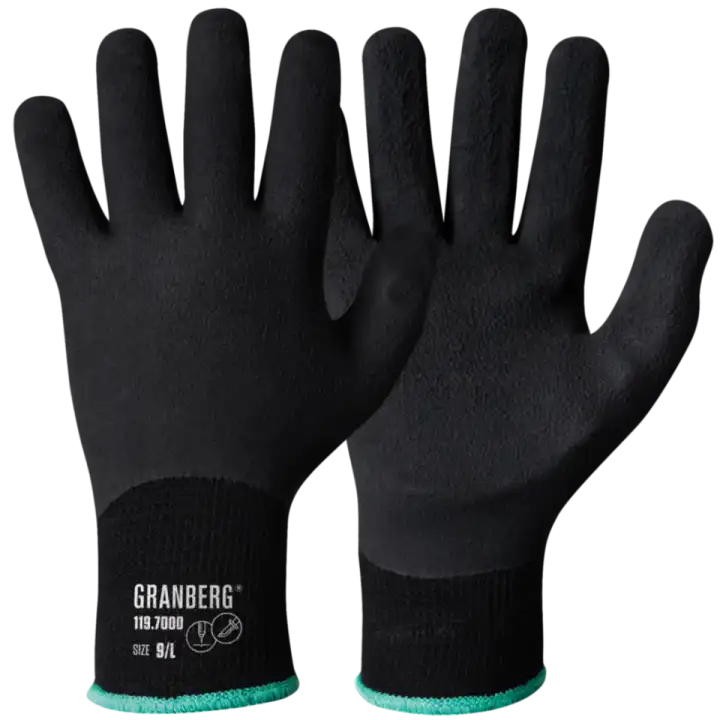
- GRANBERG 7000: Needle & Cut Resistant Safety Gloves
- GRANBERG 1025: Kevlar Lined Heat-Resist Gloves
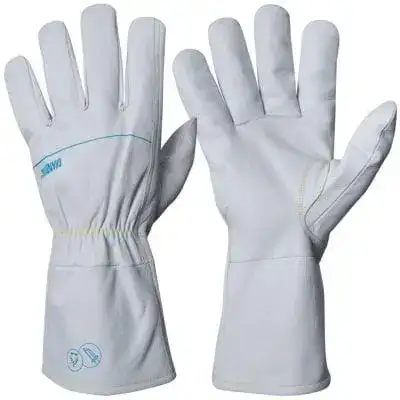
- GRANBERG EX 4999W: Waterproof Winter Cut Gloves
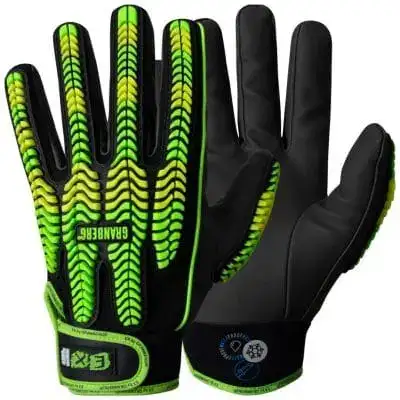
- GRANBERG EX 3260: Cut and Impact Work Gloves
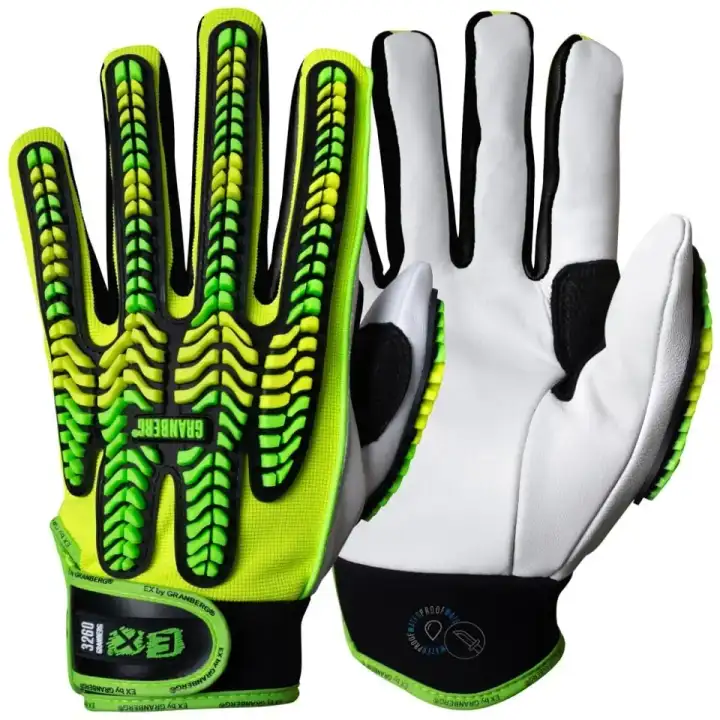
- GRANBERG 592: Touchscreen Cut-Resistant Gloves
- GRANBERG EX 3280: Cut & Impact Work Gloves (Dry Use)
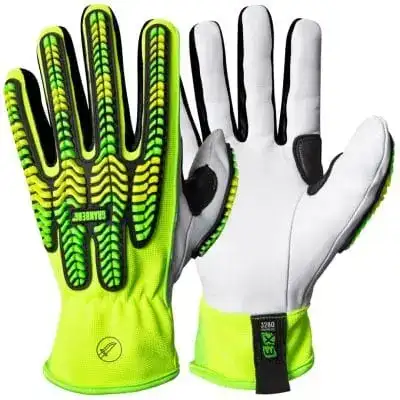
- GRANBERG EX 1119: Cut D Rigger Work Gloves
Frequently asked questions
What cut level suits cable and conduit work?
A common starting point is EN 388 cut level D or higher, or ANSI A4 or higher on lines that carry an ANSI rating. Move up where edges are fresh and handling is constant.
Does a cut resistant glove protect against electrical hazards?
No. Cut resistance and electrical protection are separate. Follow your site electrical safety rules and read the standards listed on each product page.
Do winter gloves come with impact or cut protection?
Some do. The list on this page includes winter gloves that also carry an impact or cut rating.
How are the gloves on this page chosen?
The list is built by rule: job site gloves rated EN 388 cut level D or higher or ANSI A4 or higher, winter gloves that also carry impact or cut, and gloves whose standards list ASTM F2675.
Related glove types
Cut Resistant gloves · Impact Protection gloves · Winter & Cold gloves
Safety Gloves for Mining · Oil and Gas Safety Gloves · Construction Work Gloves · Fisheries and Seafood Gloves · Food Processing and Cold Storage Gloves · Welding Gloves · Municipal and Waste Gloves · Agriculture Gloves
Send us the tasks and hazards and our team will put together a specification and carton pricing. Request a quote, check the glove sizing guide, or browse the full glove catalog.